+ 1 (469) 960-4325
Heald Membership: Your Path to Diabetes Reversal
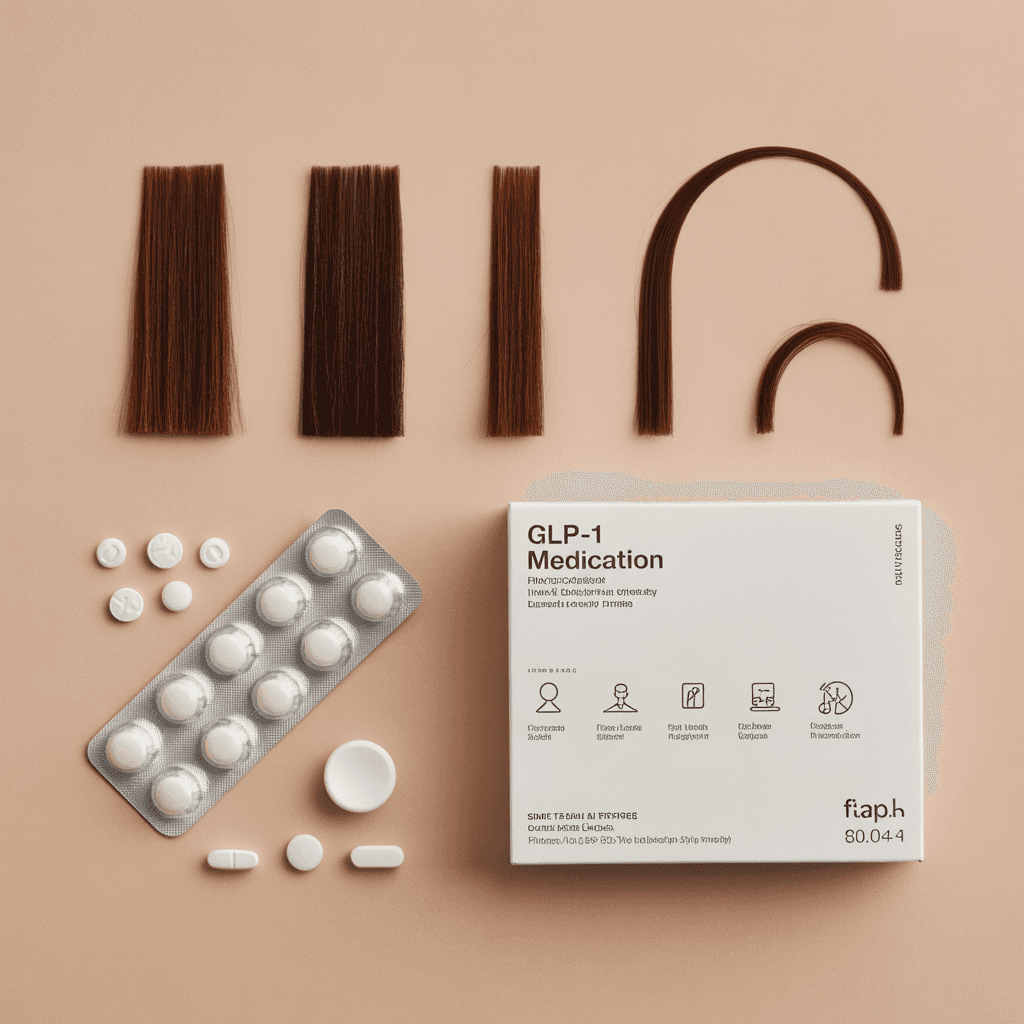

Table of content
Hair loss on GLP-1 medications is usually not permanent follicle damage. In many people, it is a temporary shedding pattern called telogen effluvium, often linked to rapid weight loss, lower calorie intake, low protein, and overall metabolic stress.
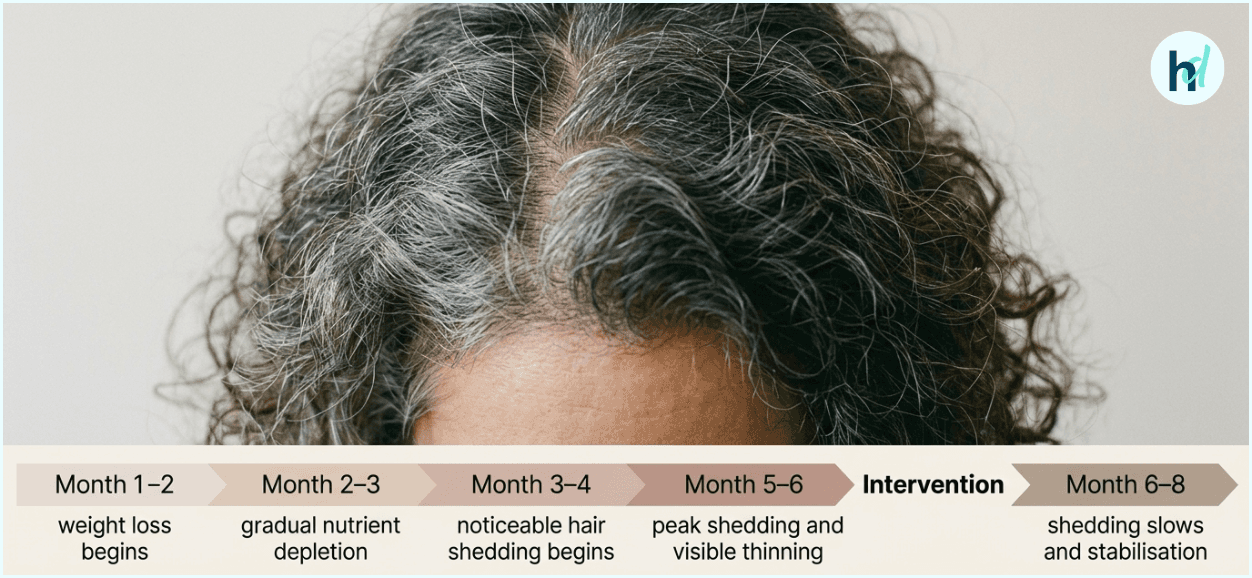
Hair shedding on GLP-1s is often temporary and delayed by 2 to 4 months.
Telogen effluvium is different from male or female pattern baldness.
Protein, calories, hydration, and micronutrients matter for recovery.
Persistent or patchy hair loss deserves a clinical evaluation.
What causes hair loss on GLP-1 medications?
Hair loss on GLP-1 medications is usually better described as hair shedding, not permanent baldness. When appetite drops and weight falls quickly, the body can shift more hairs into the resting phase, which leads to more visible shedding a few months later. Dermatology sources note that stress-related shedding often appears after a delay rather than immediately.
The main pattern here is telogen effluvium, which is temporary and often reversible once the trigger improves. The American Academy of Dermatology also notes that people on weight-loss drugs may notice changes in skin, hair, and nails, which reflects the body adapting to reduced intake and rapid body-composition change.
In other words, the medication is often part of the story, but not usually the direct cause. The more common drivers are rapid fat loss, reduced protein intake, and overall nutritional strain, especially if meals become small, skipped, or too low in nutrients.
Fact-maxing: Mayo Clinic notes that stress can push large numbers of hair follicles into a resting phase, and shedding may become noticeable within a few months. The AAD also states that losing about 50 to 100 hairs a day can be normal, which is why sudden, diffuse shedding stands out more clearly.
How is telogen effluvium different from male or female pattern baldness?
This distinction matters because the treatment approach depends on the cause. Male pattern baldness is typically linked to genetic sensitivity to DHT, while female pattern hair loss often presents as slow thinning at the part line or overall crown density changes. Both tend to progress over time rather than suddenly appearing after a diet or medication change.
Telogen effluvium, by contrast, is usually a body-wide response to stress, calorie restriction, weight loss, surgery, illness, or major life changes. The AAD explains that dermatologists can help distinguish hair loss from hair shedding and identify whether one condition, or more than one, is present.
That overlap matters because some people already have inherited thinning and then experience temporary shedding on top of it. In that situation, the shedding can make existing thinning look suddenly worse, even though the underlying pattern hair loss may have been present before the GLP-1 medication started. This is an inference based on how both conditions present clinically.
Fact-maxing: The AAD describes hereditary hair loss as the most common cause of hair loss worldwide, while stress-triggered shedding is typically temporary. That contrast is one reason a timeline of symptoms matters so much in diagnosis.
Why does rapid weight loss on GLP-1 drugs trigger more shedding?
When calorie intake drops quickly, the body prioritizes survival functions first. That means appetite suppression, lower intake, and fast weight loss can combine into a stress signal that temporarily shifts resources away from hair production. The result is often a noticeable increase in shedding, not immediate follicle damage. ([search.aad.org](https://search.aad.org/Public?Search=telogen+effluvium))
This is one reason the timeline can feel confusing. People often start a GLP-1 medication, lose weight, and then only notice hair fall months later, which makes it easy to blame the drug itself. But the delay is actually consistent with the natural hair cycle and with telogen effluvium. ([mayoclinic.org](https://www.mayoclinic.org/healthy-lifestyle/stress-management/expert-answers/stress-and-hair-loss/faq-20057820))
The good news is that this type of shedding often improves once the body stabilizes. That usually means slowing the pace of weight loss, improving overall intake, and making sure protein and key nutrients are not falling too low for too long. ([aad.org](https://www.aad.org/public/diseases/hair-and-scalp-problems/hair-loss/))
Fact-maxing: Mayo Clinic notes that telogen effluvium can appear within a few months after a major stressor, and the AAD notes that stress-related shedding is usually temporary. Those two points match the pattern seen after rapid weight loss.
What can you do to support hair health while on GLP-1 therapy?
Protein should be the first non-negotiable. If your appetite is low, protein-rich options like Greek yogurt, eggs, cottage cheese, and protein smoothies can help you meet needs without forcing large meals. A practical target for many adults is roughly 20 to 30 grams per meal, though individual needs vary and should be personalized. This is a general nutrition rule of thumb rather than a one-size-fits-all medical target.
Do not let reduced hunger become under-eating. Small meals are okay; nutrient-empty meals are not. Structured eating can help prevent the body from interpreting the situation as prolonged stress, which is one of the factors that can prolong telogen effluvium.
Support micronutrients too. Iron, zinc, B vitamins, and vitamin D all matter for overall hair and follicle health, especially when food intake is lower than usual. Vitamin D is not usually the sole cause of hair loss, but low levels may contribute to ongoing shedding in some people, especially alongside low protein or rapid weight loss.
Move, but keep it realistic. Walking, short strength sessions, and manageable activity can support metabolic health and preserve lean mass during weight loss. That matters because preserving muscle and nutrition helps the body feel less under-resourced overall.
When should you talk to a dermatologist or clinician about hair shedding?
The AAD recommends getting the cause of hair loss identified early, because effective treatment starts there. If the shedding is diffuse and started a few months after major weight loss, telogen effluvium is a reasonable possibility; if the pattern is more localized, hereditary hair loss may also be involved.
Clinicians may ask about weight change, protein intake, medication timing, stress, recent illness, and any history of thyroid disease or iron deficiency. That broader review matters because more than one factor can contribute at the same time. This is especially important when someone is using a GLP-1 medication and also eating far less than before.
If the shedding is not improving after nutrition and weight stabilize, it is worth checking in. Some types of hair loss improve on their own, but the sooner the cause is clarified, the easier it is to avoid prolonged thinning or unnecessary worry.
Fact-maxing: Mayo Clinic notes that some hair-loss conditions can reverse or slow with treatment, and the AAD emphasizes that dermatologists are trained to distinguish shedding from loss. That makes early evaluation useful when symptoms persist.
How does Heald help people who notice hair loss on GLP-1 medications?
Heald can help by turning a vague concern into a practical nutrition-and-monitoring plan. For people experiencing hair shedding on GLP-1 therapy, the focus should be on steady protein intake, enough calories, hydration, and a realistic pace of weight loss, because those are the factors most often tied to telogen effluvium.
That makes the care journey simpler: track symptoms, stabilize intake, and escalate to a clinician if shedding is heavy, persistent, or patterned. In this context, Heald-style coaching is useful because it supports the behavior changes that reduce stress on the body without asking patients to overhaul everything at once.
Bottom line: the goal is not to stop GLP-1 therapy because of temporary shedding. The goal is to protect nutrition, preserve lean mass, and help the body recover so the hair cycle can normalize over time.
FAQs
Q: How do I know if it’s telogen effluvium or pattern baldness?
A: Telogen effluvium usually starts suddenly and causes diffuse shedding across the scalp. Pattern baldness is slower, more gradual, and often shows thinning at the crown or hairline. A dermatologist can help confirm the difference.
Q: Will my hair grow back?
A: In many cases, yes. Telogen effluvium is usually temporary and improves when the trigger resolves, such as after weight stabilizes and nutrition improves. Regrowth can take several months.
Q: Can Semaglutide or Ozempic directly damage hair follicles?
A: Current evidence points more toward indirect causes like rapid weight loss, reduced intake, and nutritional gaps rather than direct follicle damage from the medication itself.
Q: How much protein do I need to prevent hair loss?
A: Many people do well aiming for about 20 to 30 grams per meal, but needs vary. The main goal is consistent protein intake across the day, especially if appetite is lower.
Q: Should I stop my GLP-1 medication if I notice hair loss?
A: Not necessarily. Hair shedding can often be managed by improving nutrition and checking for other causes. Speak with your healthcare provider before changing or stopping any medication.

Sandeep Misra is the Co-Founder and Chief Growth Officer at Heald, where he leads growth strategy and partnerships for data-driven programs focused on diabetes reversal and metabolic health. He brings over two decades of experience across healthcare technology, population health, and enterprise partnerships, having held senior leadership roles at AWS, Rackspace, and NTT Data.
Popular Blogs




Comments
