Summary
Severe food aversion on a GLP-1 can look like success on the scale, but it often means the dose is suppressing appetite more than your eating pattern can nutritionally support.
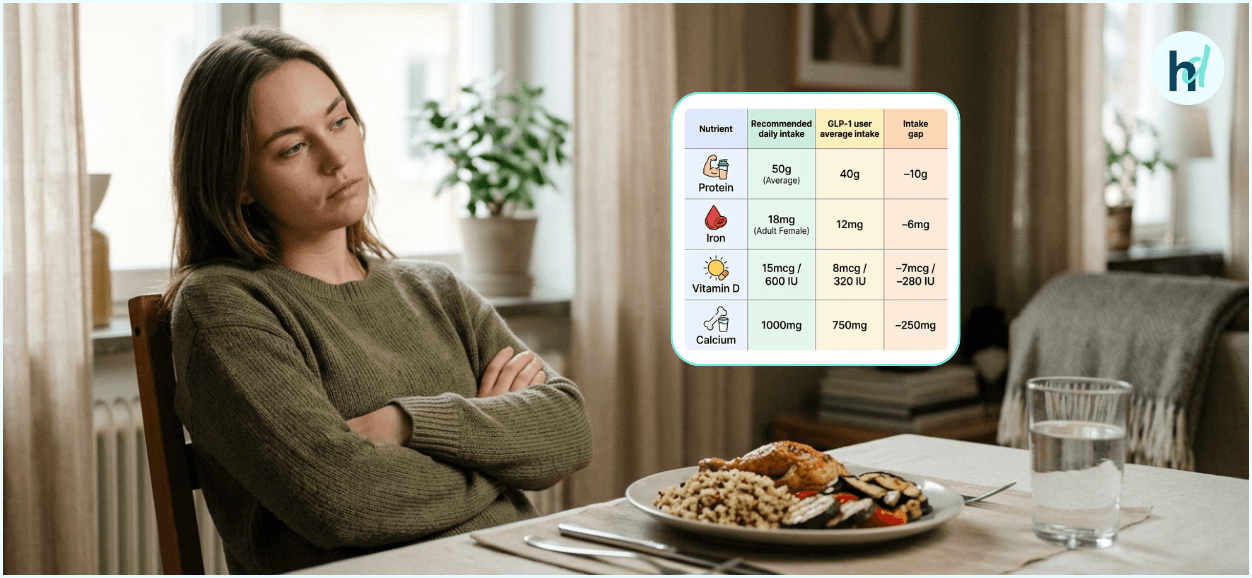
Research shows many GLP-1 users fall short on protein, vitamin D, iron, and calcium, and protein deficiency can drive muscle loss even as weight goes down.
The fix isn't to 'just eat more'; it's to eat by the clock, choose nutrient-dense foods over volume, and build a structured eating schedule instead of relying on silenced hunger cues.
Talk to your prescriber about dose timing or adjustment, and address underlying nausea, especially if you're regularly going more than 8 hours without eating.
When not wanting to eat feels like the medication working
One of the most deceptive GLP-1 side effects is severe food aversion - the point where food doesn't just fail to appeal, but where eating actively feels unpleasant, even nauseating. It's deceptive because it looks like success. The number on the scale is moving. The medication is clearly suppressing appetite. Everything seems to be working.
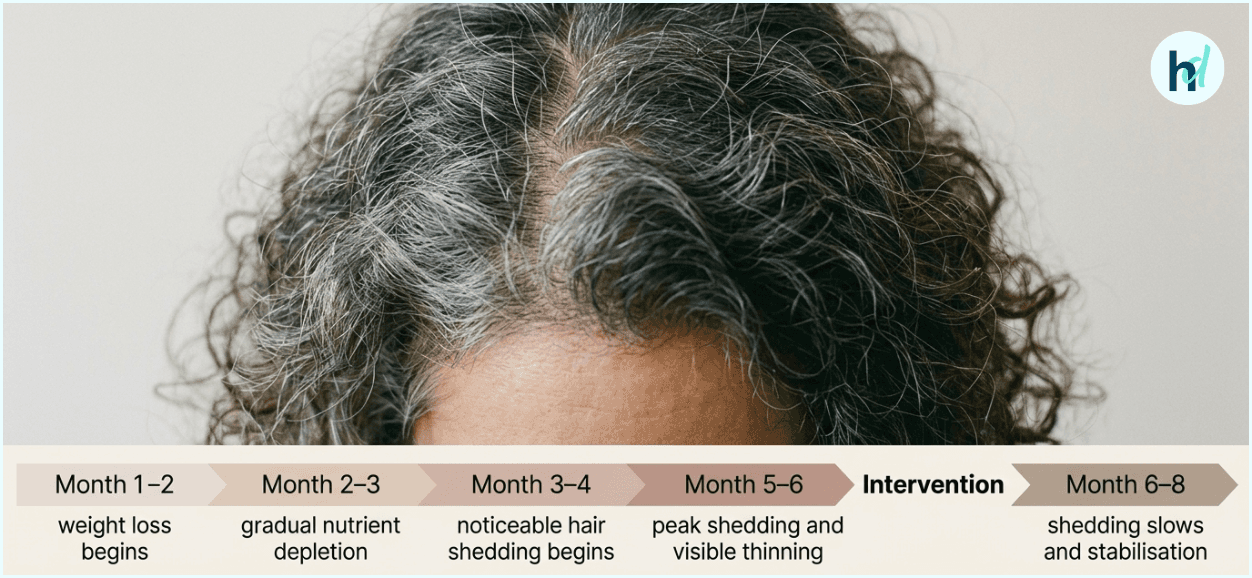
However, this may not always indicate optimal progress. Severe food aversion is a sign that the dose-to-lifestyle balance may be off - meaning the medication is suppressing appetite more than your current eating pattern and routine can nutritionally support. Over time, this can have unintended metabolic and nutritional consequences.
What the research shows about GLP-1 users' nutrition
A cross-sectional study published in Frontiers in Nutrition in 2025 examined dietary intake in 69 GLP-1 users and found that the majority failed to meet recommended daily intakes for vitamin D, iron, calcium, and protein. Only 43% met the minimum protein requirement. A separate dietary analysis found GLP-1 users consuming 24–39% fewer total calories than non-users.
Protein deficiency is particularly important to address, as it can contribute to muscle loss and reduced overall strength — even while weight continues to decrease, making the issue less visible.
The difference between normal appetite suppression and problematic aversion
Normal, functional GLP-1 appetite suppression looks like:
· Feeling satisfied with smaller portions
· Reduced cravings and impulse eating
· Eating less without feeling deprived
Problematic food aversion looks like:
· Food having no appeal whatsoever, even foods you previously enjoyed
· Feeling nauseous at the thought of eating
· Actively skipping meals because the idea of eating is uncomfortable
· Regularly going long periods without eating (for example, frequently skipping meals or eating only once a day)
If the second list resonates, your body is telling you something important needs to change.
Why the fix isn't 'just eat more'
Telling someone with food aversion to simply eat more is unhelpful and often impossible. The suppression is pharmacological. What actually works is finding the smallest, most nutrient-dense foods that the body can tolerate and building a structured eating schedule around them — rather than relying on hunger signals that the medication has effectively silenced.
What actually works for GLP-1 food aversion
Eat by the clock, not by hunger — set meal times and stick to them regardless of appetite signals. This is a fundamental shift when hunger cues are suppressed.
Choose nutrient density over volume — Greek yogurt, eggs, cottage cheese, nut butters, avocado. Maximum nutrition in minimum volume.
Liquid nutrition fills gaps — a high-quality protein shake can help bridge gaps. On days when solid food is difficult to tolerate, liquid nutrition can support intake — however, it should not replace regular meals long-term, and choosing a balanced, low-sugar option is important.
Talk to your prescriber about dose timing — some people experience better food tolerance on days further from their injection day. This is worth exploring.
Address the underlying cause — if nausea is driving the aversion, the digestive side effect is the primary issue to solve.
What actually works for GLP-1 food aversion — Start small and build gradually - even a few consistent bites at regular intervals can help restore appetite rhythm over time, rather than forcing large meals.