Summary
Headaches, dizziness, brain fog, and mood shifts on GLP-1s are common but often overlooked because they rarely show up on standard lab tests.
They usually trace back to reduced food and fluid intake, causing dehydration, electrolyte imbalance, blood sugar swings, and low protein.
Mood instability also has a direct component, since GLP-1s act on brain pathways involved in dopamine, reward, and motivation.
Most symptoms improve with proactive hydration, adequate protein, deliberate electrolytes, steady meals, better sleep, and a targeted blood panel.
The symptoms nobody talks about - because they don't show up on labs
Headaches, lightheadedness, dizziness, irritability, brain fog, mood instability - these are among the least discussed GLP-1 side effects, partly because they're so varied and partly because they rarely appear on a blood test. Prescribers often attribute them vaguely to 'adjustment' or dismiss them entirely. But they often have a clear metabolic explanation, and most of them can be improved with the right adjustments.
A significant reduction in calorie intake - often seen with GLP-1 use - is known to contribute to symptoms like headaches, fatigue, and low mood. These are not random side effects, but expected physiological responses to reduced energy intake.
The three root causes
1. Dehydration
GLP-1 medications reduce thirst signals alongside appetite signals - the same suppression mechanism that reduces food intake also reduces the drive to drink. Most GLP-1 users are mildly but chronically dehydrated, particularly in the early weeks of treatment. Dehydration is one of the most common causes of headaches, dizziness, and cognitive fog. The fix is simple but requires intention: drink consistently throughout the day on a schedule, not in response to thirst.
2. Electrolyte imbalance
With reduced food intake comes reduced sodium, potassium, and magnesium - the electrolytes that regulate nerve function, muscle contraction, and fluid balance. Low magnesium is independently linked to headaches, anxiety, and sleep disruption. Low sodium contributes to dizziness, particularly when standing up quickly. These aren't detected by standard GLP-1 monitoring. They require a specific electrolyte panel or proactive dietary attention.
3. Blood sugar variability
GLP-1 medications affect insulin release and glucagon suppression, which changes how blood sugar behaves — particularly after meals. For people who are also under-eating, blood sugar can swing more widely than it did before starting the medication. These swings - even within a 'normal' range - directly affect mood, concentration, irritability, and energy. The brain runs on glucose; when supply becomes unpredictable, cognitive and emotional function becomes unpredictable too.
4. Inadequate protein intake
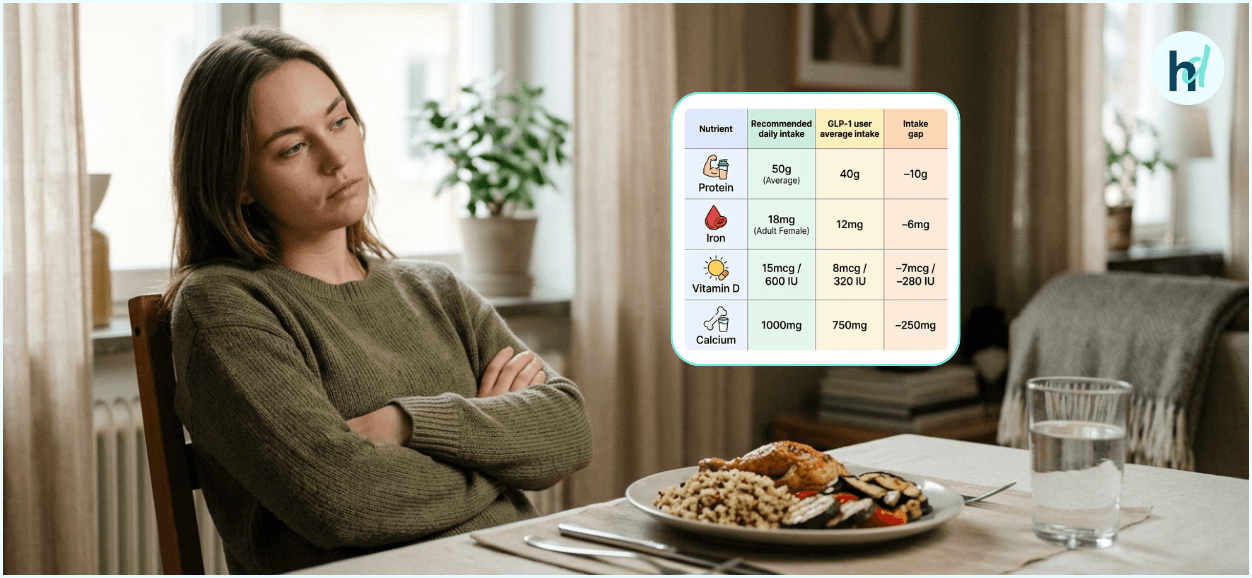
With reduced appetite, protein intake often drops unintentionally. Protein plays a key role in maintaining muscle mass, stabilising energy levels, and supporting neurotransmitter function. Low protein intake can contribute to fatigue, low mood, and poor recovery - especially during rapid weight loss phases on GLP-1s.
The mood piece specifically
Mood instability on GLP-1s has a second layer beyond blood sugar and electrolytes. GLP-1 receptors are present in brain regions involved in dopamine signalling and reward processing. These medications directly influence these pathways — which is part of why they reduce cravings.
However, these same pathways also regulate motivation, emotional response, and the sense of reward from food and activity. When combined with disrupted sleep, low nutrient intake, and changes in eating patterns, this can affect mood and emotional stability in some individuals.
What actually helps
Prioritise protein intake - aim to include a high-quality protein source in every meal (such as dal, paneer, eggs, tofu, or lean meats). This supports energy levels, muscle preservation, and overall metabolic stability.
Hydrate proactively - aim for 2–3 litres of water daily on a schedule, not in response to thirst. A reusable bottle with time markers is a simple tool that works.
Add electrolytes deliberately - a daily electrolyte supplement (low sugar) or regular intake…
Note: Individuals with high blood pressure, kidney concerns, or those on medication should consult their doctor before increasing sodium or electrolyte intake.Stabilise blood sugar through meal structure - small, regular meals containing protein and complex carbohydrates prevent the blood sugar swings that drive mood and cognitive symptoms.
Protect sleep - GLP-1 digestive symptoms often disrupt sleep, which compounds every other symptom. Eating at least 3 hours before bed reduces overnight discomfort significantly.
Get a targeted blood panel - ask for sodium, potassium, magnesium, vitamin D, and B12 in addition to the standard tests. These are frequently the culprits and are rarely checked.
What this means for you
If you’re experiencing headaches, dizziness, or mood changes on GLP-1s, it’s often your body responding to reduced food, fluid, or nutrient intake - not just the medication itself.
The focus should be on supporting your body better through hydration, balanced meals, and consistent nutrition — rather than ignoring these signals.