Summary
Non-starchy vegetables like leafy greens, broccoli, cauliflower, zucchini, cucumber, bell peppers, and green beans are low in digestible carbs and have a low glycemic index, helping stabilize blood sugar.
Starchy vegetables such as white and sweet potatoes, corn, green peas, beets, and pumpkin are higher in starch or natural sugars and can raise blood sugar in large portions or when overcooked or pureed.
How vegetables are prepared matters: pairing them with fat or protein, watching portion sizes, and using steaming, roasting, or light sautéing instead of overboiling or pureeing all reduce glycemic impact.
Everyone's glucose response is different, so tools like a CGM paired with the Heald app can show how specific vegetables and meals affect your own blood sugar.
When it comes to managing diabetes, vegetables are more than just plate fillers—they’re powerful tools for blood sugar control. But here’s the twist: not all vegetables are equally helpful. Some can stabilize glucose levels, while others may contribute to hyperglycemia, depending on how they're prepared.
In this blog, we’ll explore the best vegetables for diabetics, which ones to limit, and how you can make smarter, more strategic choices without sacrificing variety or flavor.
Why Vegetables Matter for Blood Sugar Control
Vegetables are rich in fiber, vitamins, minerals, and antioxidants. For people managing type 2 diabetes or insulin resistance, they offer slow-digesting carbs and important phytonutrients. But there’s a catch: starch content and glycemic impact vary widely between types.
That’s why understanding the difference between non-starchy and starchy vegetables is essential.
Best Vegetables for Diabetics: The Non-Starchy Advantage
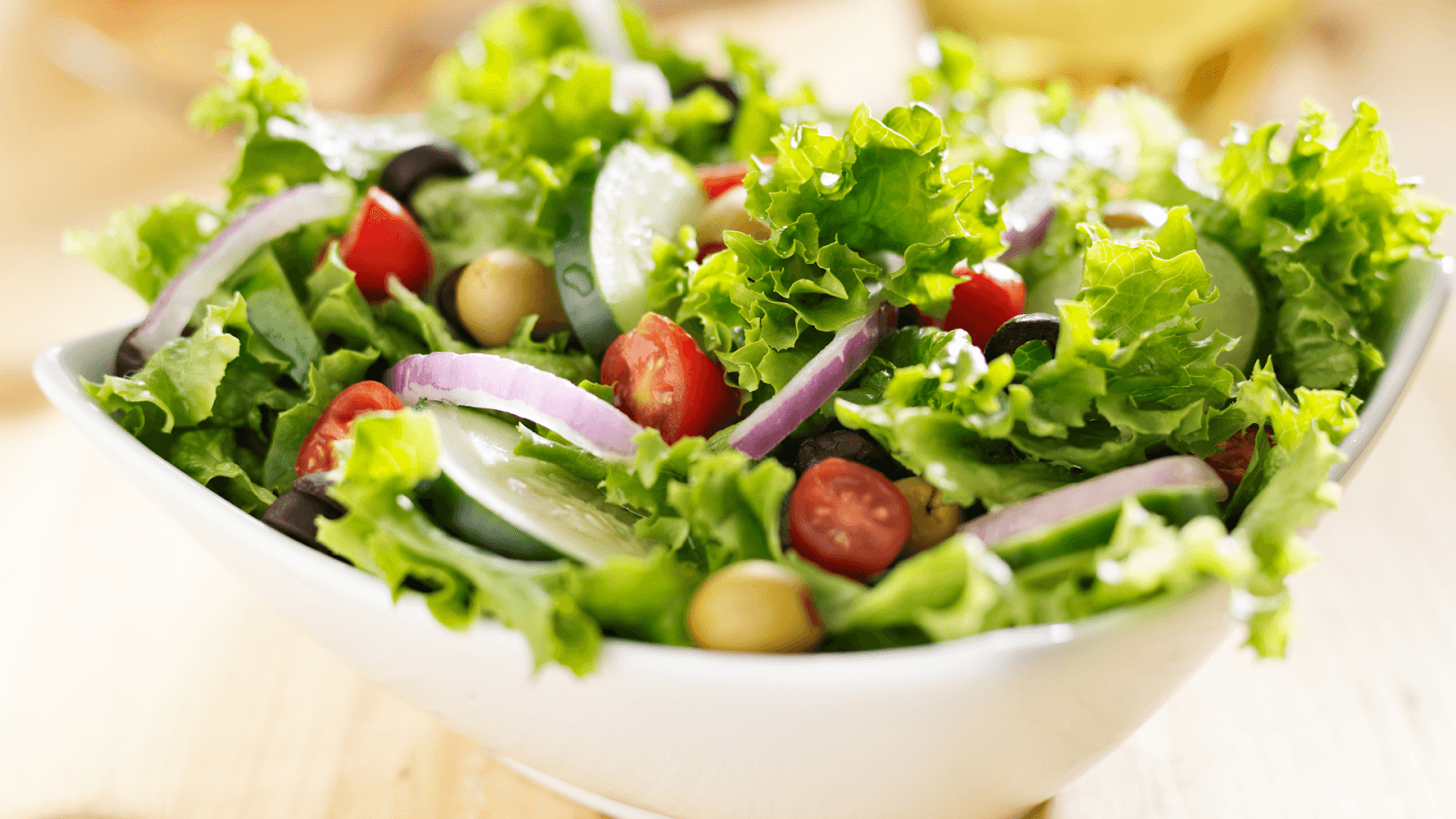
Non-starchy vegetables are low in digestible carbohydrates and have a low glycemic index (GI), meaning they don’t cause rapid spikes in blood glucose. They’re also high in water and fiber—great for satiety and metabolic health.
Top picks include:
Leafy Greens (Spinach, Kale, Lettuce): High in magnesium and polyphenols that may improve insulin sensitivity.
Broccoli & Cauliflower: Rich in sulforaphane, a compound linked to reduced inflammation and better glucose control.
Zucchini & Cucumber: Low in carbs, hydrating, and easy to incorporate into meals.
Bell Peppers: Naturally sweet without the sugar load; high in fiber and vitamin C.
Green Beans: Mild in flavor, moderate in carbs, and packed with fiber.
“A higher intake of green leafy vegetables is associated with a significantly reduced risk of type 2 diabetes.”
— The BMJ, 2010
Vegetables for Diabetics to Avoid or Limit
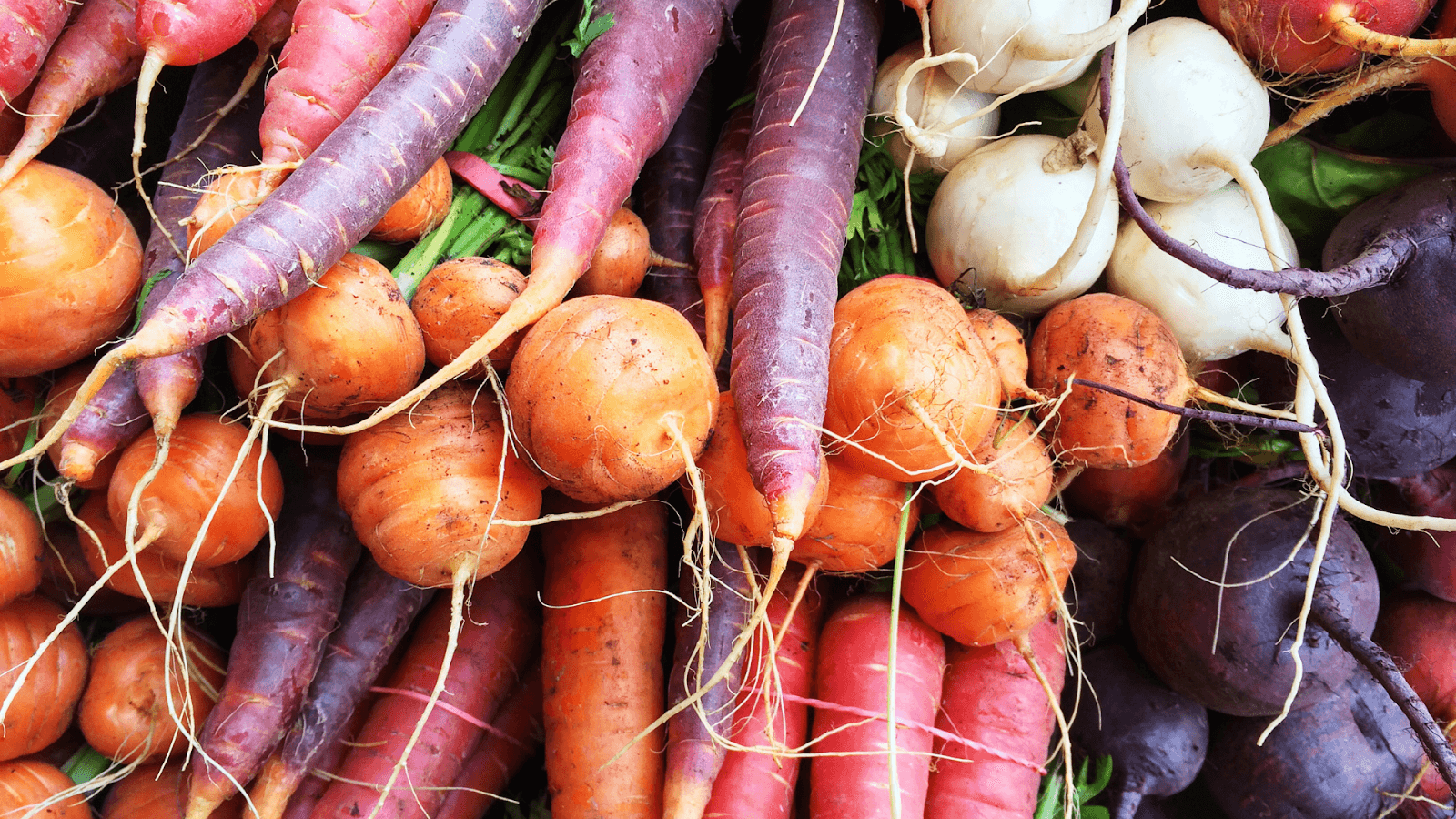
Some vegetables, while nutritious, are high in starch or natural sugars, and can cause blood sugar spikes if eaten in large quantities or without balancing fiber, protein, or fat.
These include:
White and Sweet Potatoes: High glycemic load, especially when mashed or fried.
Corn: Sweet and starchy; best consumed in small portions.
Green Peas: Higher in carbohydrates than most green vegetables.
Beets: Contain natural sugars that may raise glucose if not balanced.
Pumpkin: Though rich in nutrients, it has a high GI when overcooked or pureed.
“Higher intake of starchy vegetables is associated with greater risk of developing type 2 diabetes, unlike non-starchy vegetables which offer protective benefits.”
— Harvard T.H. Chan School of Public Health
Visual Guide: Good vs. Risky Vegetables for Diabetics
Vegetables to Include | Why They're Good |
|---|---|
Spinach, Kale, Swiss Chard | Low GI, rich in magnesium, antioxidants |
Broccoli, Cauliflower | Supports insulin sensitivity, anti-inflammatory |
Zucchini, Cucumber | High water content, minimal carbs |
Bell Peppers | Low sugar, high in fiber and vitamin C |
Green Beans | Fiber-rich, moderate carb load |
Vegetables to Limit | Why to Be Cautious |
|---|---|
Potatoes (white, sweet) | High glycemic index and glycemic load |
Corn | Naturally sugary, raises glucose quickly |
Peas | Higher carbohydrate count than other greens |
Beets | Natural sugars may impact glucose levels |
Pumpkin | High glycemic impact when pureed or overcooked |
Smart Tips for Including Vegetables in a Diabetic Diet
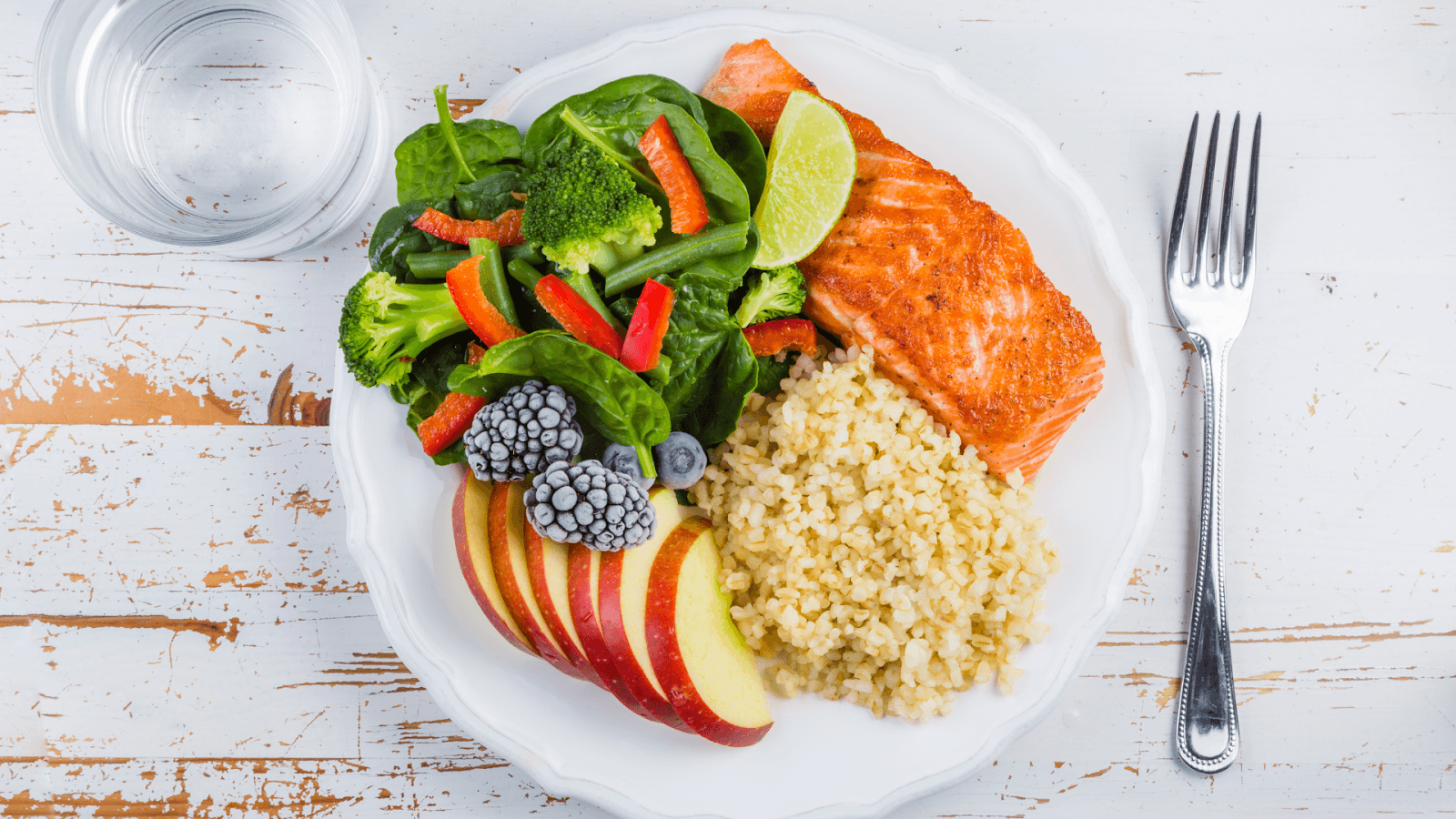
Portion matters: Even healthy vegetables can cause issues when portions are oversized unless paired with a strategy for balancing diet and exercise.
Combine with fat/protein: Adding olive oil, nuts, or cheese slows down digestion and glucose absorption.creating more nutrient-dense meals.
Don’t overcook: Over-boiling or pureeing increases glycemic load. Aim for steaming, roasting, or light sautéing.
Read labels on frozen/packaged vegetables: Some come with added sugars or starch-heavy sauces.
Where Technology Can Help: Heald and CGM Insights
Everybody responds differently, even to the same vegetables. While general guidelines help, true blood sugar control comes from understanding your personal glucose response.
That’s where tools like the Heald app and HealdX program come in. The Heald app provides structured guidance across diet, activity, sleep, stress, and medication, while the Heald program pairs with the Stelo CGM to offer real-time glucose monitoring. Together, they empower users to see how specific vegetables (and meals) impact their blood sugar and make more informed choices.
And with FSA/HSA eligibility, access to this kind of personalized insight is now even more affordable.
Final Thought:
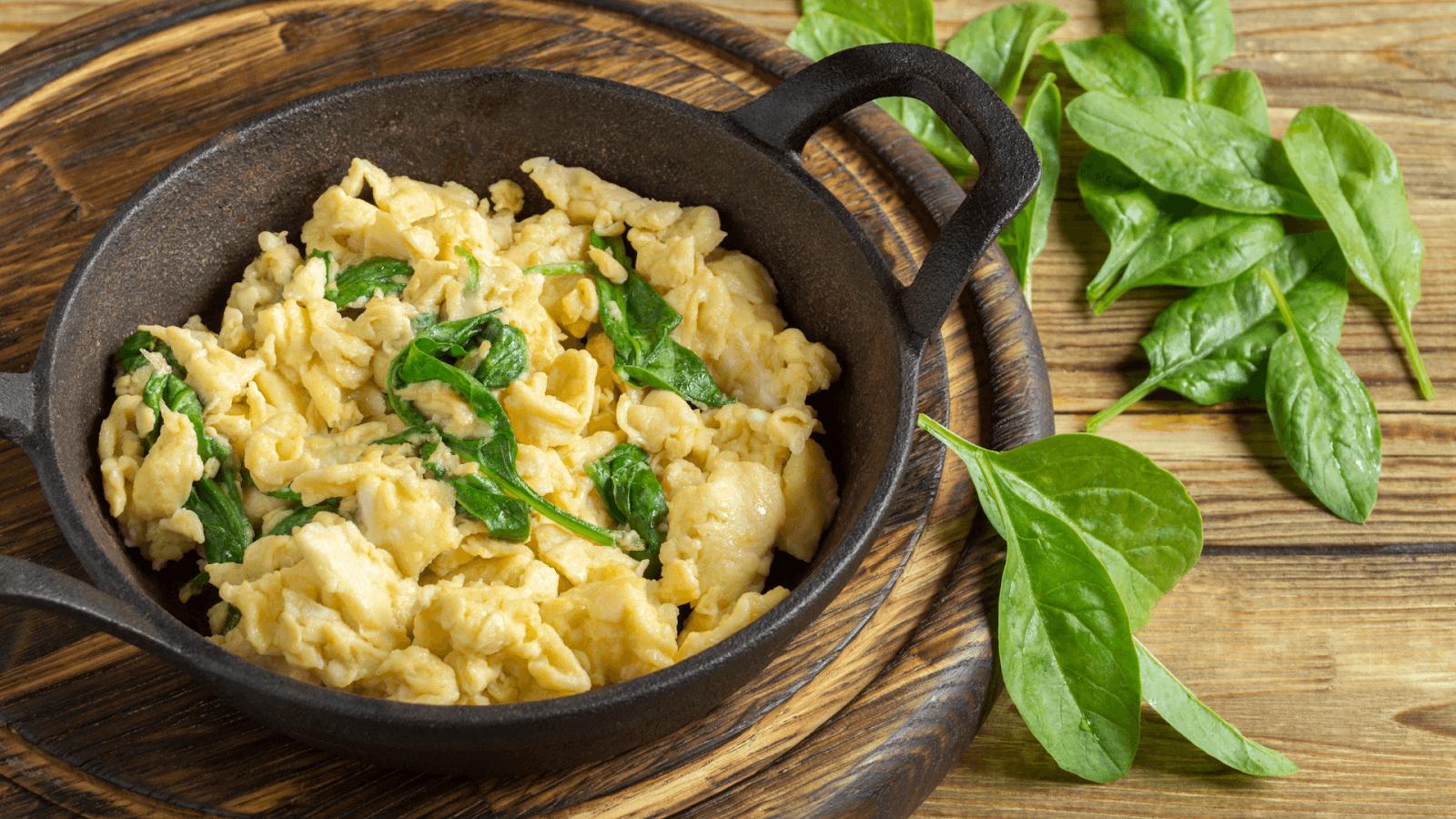
Choosing the right vegetables for diabetes isn’t about restriction, it is about strategy. Focus on non-starchy, low glycemic index vegetables, balance them with other nutrients, and stay aware of how your body responds. It’s not just about eating more vegetables—it’s about eating the right ones, in the right way, for your body.