Summary
A low-glycemic, fiber-rich diet with healthy fats and lean protein helps keep blood sugar stable, while refined carbs, sugary snacks or drinks, and fried or processed foods can trigger spikes.
Regular exercise, about 150 minutes of moderate cardio per week plus strength training at least twice a week, improves insulin sensitivity and glucose uptake.
Mornings need special attention because the dawn phenomenon naturally raises blood sugar; a protein- and fiber-rich breakfast, avoiding high-sugar morning foods, and a short walk after eating can help.
Small, consistent habits, like frequent balanced meals, blood-sugar-friendly snacks, and regular movement, add up to lasting improvement in blood sugar control.
Maintaining balanced blood sugar is crucial for everyone, especially for those managing diabetes or prediabetes. While medication plays an important role, the right diet and regular exercise are key pillars in controlling blood sugar levels effectively. In this guide, we'll walk you through practical strategies that can help you achieve stable blood sugar with easy-to-implement dietary changes and exercise routines.
Why Blood Sugar Balance Matters
Before diving into specific strategies, let's quickly review why keeping blood sugar levels balanced is so important. When blood sugar spikes too high or dips too low, it can lead to serious health complications, especially for those with diabetes. Keeping your blood sugar levels stable helps maintain energy, prevent long-term complications like heart disease, and improve overall health.
Now, let’s explore some practical and actionable strategies to help balance your blood sugar through diet and exercise.
Do This: Balanced Diet for Stable Blood Sugar
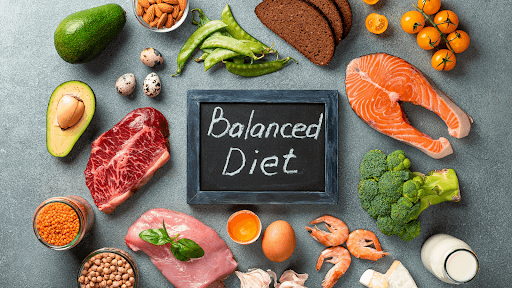
Diet plays a huge role in how your body processes glucose. By focusing on the right foods, you can maintain better blood sugar control and improve insulin sensitivity. Here's how to get it right:
1. Focus on Low-Glycemic Foods
Low-glycemic index (GI) foods are slow to digest and help prevent spikes in blood sugar. Include plenty of non-starchy vegetables, whole grains, and legumes like beans, lentils, and chickpeas. These foods will provide a steady release of energy and help you stay fuller for longer.
2. Choose Fiber-Rich Foods
Fiber is a game-changer when it comes to blood sugar management. It slows down the absorption of sugar into the bloodstream, helping to maintain steady levels. Aim to include fiber-rich foods like broccoli, avocados, berries, and nuts in your meals.
3. Incorporate Healthy Fats
Healthy fats improve insulin sensitivity and help maintain steady blood sugar levels. Sources of good fats include olive oil, avocados, and nuts. These fats also promote heart health, which is especially important for those managing diabetes.
4. Prioritize Protein
Lean protein sources, like chicken, fish, and tofu, help prevent blood sugar spikes by stabilizing glucose levels. Protein helps slow down the absorption of carbohydrates, keeping blood sugar from rising too quickly.
5. Eat Small, Frequent Meals
Instead of three large meals, aim for smaller, balanced meals throughout the day. Eating regularly helps prevent dips in blood sugar, especially if you’re prone to fluctuations.
Avoid This: Foods That Can Spike Blood Sugar

Certain foods can cause rapid spikes in blood sugar, leading to energy crashes and increased insulin resistance. Here are some to avoid or limit:
1. Refined Carbohydrates
Foods like white bread, pasta, and baked goods made with refined flour are quickly digested, leading to blood sugar spikes. Opt for whole-grain versions instead to slow down digestion.
2. Sugary Snacks and Beverages
Sodas, candies, and other sugary snacks can cause quick spikes in blood sugar. Try to replace these with healthier options like nuts, Greek yogurt, or berries.
3. Fried and Processed Foods
Fried and processed foods are not only high in unhealthy fats, but they also disrupt insulin sensitivity. Limit your intake of foods like fried chicken, chips, and processed meats like sausages.
Exercise: Boosting Insulin Sensitivity and Blood Sugar Control
Regular physical activity plays an essential role in blood sugar management. Exercise improves insulin sensitivity, making it easier for your body to use glucose for energy rather than storing it as fat. Here's how to maximize the benefits:
1. Incorporate Cardio into Your Routine
Cardiovascular exercise, such as walking, cycling, or swimming, helps lower blood sugar levels by increasing the efficiency of your body's glucose uptake. Aim for at least 150 minutes of moderate-intensity cardio per week, or about 30 minutes a day.
2. Strength Training for Muscle Building
Building lean muscle through strength training exercises (such as lifting weights or bodyweight exercises) can enhance insulin sensitivity. More muscle mass helps your body use glucose more effectively. Include strength training exercises at least two times a week.
3. Consistency is Key
Exercise doesn’t need to be intense, but consistency is essential. Aim for regular movement throughout the day. For example, try breaking up long periods of sitting with short bursts of activity like a quick walk or a few stretches. These little habits add up!
Morning Blood Sugar Control: A Special Focus
The morning is a critical time for blood sugar levels. Often referred to as the "dawn phenomenon," many people experience higher blood sugar in the early morning hours due to hormonal changes. Here are a few tips to help you manage morning blood sugar:
1. Start Your Day with a Balanced Breakfast
Don’t skip breakfast! Starting your day with a high-protein, fiber-rich meal (such as eggs with spinach or Greek yogurt with berries) can help prevent large blood sugar spikes later in the day.
2. Limit High-Sugar Foods in the Morning
Avoid sugary cereals, pastries, or fruit juices first thing in the morning, as these can cause rapid spikes in blood sugar. Stick to whole foods that provide sustained energy, like whole-grain oats or avocado toast.
3. Morning Walk
Taking a short walk after breakfast can help bring down blood sugar levels and improve insulin sensitivity. Even a 10-minute walk can make a difference.
Healthy Snacks for Blood Sugar Management

Having healthy snacks on hand is a smart way to keep blood sugar balanced between meals. Here are some ideas for blood sugar-friendly snacks:
Nuts and Seeds: Almonds, walnuts, and chia seeds are great choices.
Greek Yogurt with Berries: Packed with protein and antioxidants.
Vegetable Sticks with Hummus: A crunchy, fiber-filled snack that keeps you satisfied.
Hard-Boiled Eggs: A quick and protein-packed option.
Table: Diet and Exercise Strategies for Blood Sugar Management
Action | Why It Works | Examples |
|---|---|---|
Low-Glycemic Foods | Prevents blood sugar spikes by slowing digestion. | Non-starchy vegetables, whole grains, legumes |
Fiber-Rich Foods | Slows down sugar absorption and promotes fullness. | Broccoli, avocados, berries, nuts |
Healthy Fats | Improves insulin sensitivity and helps regulate blood sugar. | Olive oil, avocados, nuts |
Protein-Rich Meals | Stabilizes glucose levels and prevents sharp spikes. | Chicken, fish, tofu, eggs |
Cardio Exercise | Improves glucose uptake and lowers blood sugar. | Walking, cycling, swimming |
Strength Training | Increases muscle mass, improving insulin sensitivity. | Weight lifting, bodyweight exercises |
A study published in The Lancet Diabetes & Endocrinology found that exercise significantly improves insulin sensitivity and helps regulate blood sugar levels in individuals with type 2 diabetes. In addition, research from the American Diabetes Association highlights the positive effects of a balanced diet, particularly one rich in fiber and healthy fats, in preventing and managing diabetes.
Conclusion: Take Control of Your Blood Sugar
Balancing blood sugar through diet and exercise is an achievable goal, and with the right strategies in place, you can make a significant difference in your health. Start by incorporating low-glycemic foods, focusing on fiber and protein, and committing to regular physical activity. Remember, small, consistent changes lead to lasting results.
By understanding what foods to eat, avoiding harmful ones, and staying active, you can take charge of your blood sugar and improve your overall well-being. You’ve got this—keep moving forward!