Summary
Nighttime hypoglycemia is a drop in blood sugar during sleep, most common in people managing diabetes with insulin or certain medications, and it's risky because you may sleep through the warning signs.
Common causes include a high evening insulin dose, skipping or delaying dinner, late-night exercise, alcohol, and illness or infection.
It can be more dangerous than daytime lows since you're less likely to wake up or respond quickly; up to 50% of severe hypoglycemic episodes in people with type 1 diabetes happen at night.
Simple habits, such as a balanced dinner, a bedtime snack, checking blood sugar before bed, limiting alcohol, and using a CGM, can meaningfully lower the risk of overnight lows.
Ever woken up sweaty, shaky, or confused in the middle of the night?
That midnight disruption might be more than just a bad dream, it could be nighttime hypoglycemia, or low blood sugar during sleep.
In this blog, we'll break down why it happens, why it's dangerous, and how you can stay safe and steady overnight.
Introduction: What Is Nighttime Hypoglycemia?
Nighttime hypoglycemia is a drop in blood glucose levels during sleep. It's particularly common in people managing diabetes with insulin or certain medications. The real risk? You’re asleep when it happens, which means you might not notice the warning signs or respond in time.
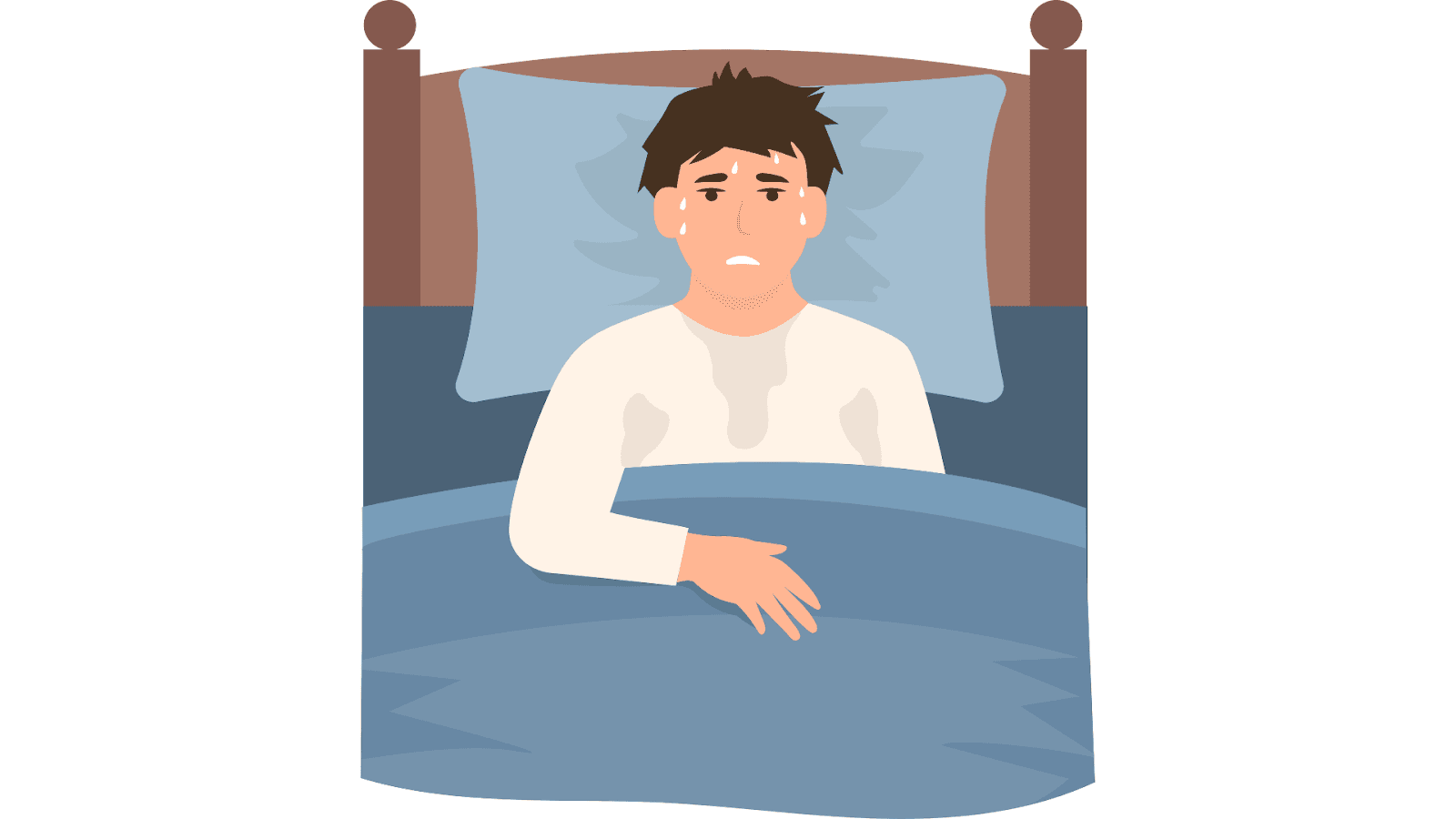
Common Overnight Symptoms:
Sweating
Restlessness or nightmares
Jerky body movements
Waking up disoriented or with a headache
Fatigue or confusion in the morning
If you frequently feel off upon waking, it could be your body's silent alarm trying to tell you something important.
Why Nighttime Hypoglycemia Happens
Your body continues using glucose while you sleep, primarily to fuel your brain, breathing, and repair processes. If your blood sugar drops too low during this time, and there’s nothing to balance it out, hypoglycemia can occur.
Table: Common Causes of Nighttime Hypoglycemia
Cause | Explanation |
|---|---|
High evening insulin dose | Long-acting insulin or sulfonylureas may continue lowering glucose overnight |
Skipping or delaying dinner | Insufficient carbohydrate intake before bed can lead to lows |
Late-night exercise | Increases insulin sensitivity, which can continue for hours post-activity |
Alcohol | Disrupts liver glucose production, particularly a few hours after drinking |
Illness or infection | Can alter blood sugar unpredictably |
The Dangers of Nighttime Hypoglycemia
Credits: BETTER
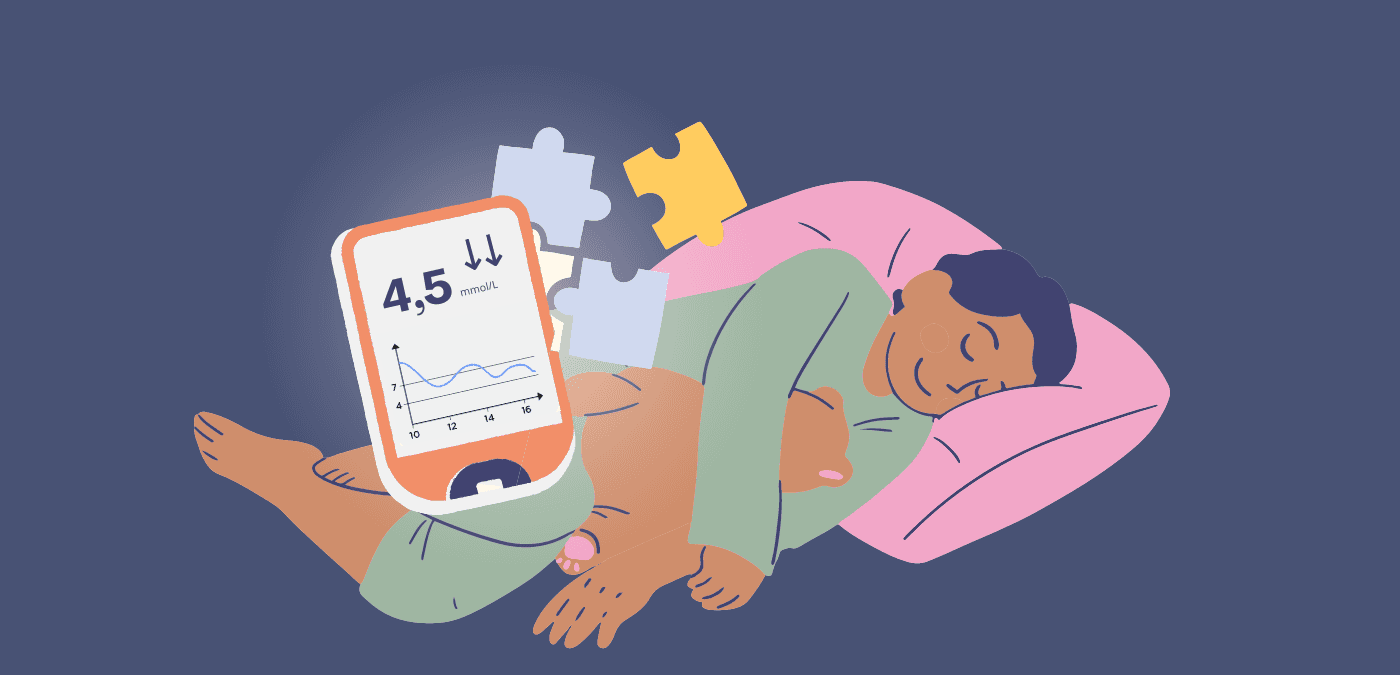
Because you’re less likely to wake up or act quickly, nighttime hypoglycemia can be more severe than daytime episodes. In extreme cases, it can lead to seizures or a life-threatening condition known as “dead-in-bed” syndrome, though this is rare.
A 2007 study in Diabetes Care reported that up to 50% of severe hypoglycemic episodes in people with type 1 diabetes occur at night, often without recognition until morning.
Preventing Nighttime Hypoglycemia: Simple, Practical Steps
The good news? You can significantly reduce the risk with a few intentional habits.
Prevention Checklist:
Eat a well-balanced dinner with protein and complex carbs
Avoid intense workouts too close to bedtime
Limit alcohol, especially in the evening
Review your insulin or medication doses with your healthcare provider
Keep fast-acting carbs by your bedside
Use a CGM (Continuous Glucose Monitor) if available
According to a study published in JAMA (2017), people using CGMs experienced 50% less time spent in hypoglycemia overnight compared to those using standard monitoring methods.
Managing Blood Sugar at Night: Routine for Stability
To ensure a steady night, consider this simple structure:
Evening Routine:
2–3 hours before bed: Eat a balanced meal with slow-digesting carbs
1 hour before bed: Consider a light snack like Greek yogurt, a boiled egg, or a small serving of nuts
At bedtime: Check your blood sugar. A safe range is usually 100–140 mg/dL, but follow your provider’s advice
During the night: Use CGM alerts if you're prone to lows
If you’re waking up low multiple times a week, it’s time to discuss adjustments with your doctor.
Conclusion: A Safer Night Starts with Awareness
Nighttime hypoglycemia can be unsettling, but it's manageable. With a bit of preparation, tracking, and smart habits, you can enjoy deeper, safer sleep and wake up feeling steady, not shaky.
One final tip: The Heald App helps you monitor trends, log bedtime blood sugars, track meals, and even scan your snacks for hidden sugars. It integrates with many CGMs and offers custom reminders, making safer nights easier to achieve.