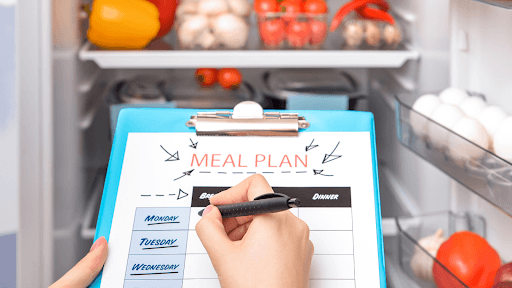
Summary
A balanced diabetes meal plan focuses on macronutrient balance, roughly 45-60% carbs, 15-20% protein, and 20-30% fat, adjusted for your lifestyle and medical history.
Choosing low-glycemic-index carbs like oats, lentils, apples, and sweet potatoes helps blood sugar rise more slowly and steadily than high-GI foods like white bread and sugary cereals.
Portion control, such as using the plate method (half non-starchy veggies, one-quarter lean protein, one-quarter complex carbs), improves post-meal glucose levels and supports weight management.
Practical habits like batch cooking, rotating protein and veggie sources, staying hydrated, and tracking meals make a diabetes meal plan easier to sustain long term.
Introduction: The Power of Diet in Diabetes Management
When it comes to managing diabetes, food is medicine, but also a bit of a math problem. From counting carbs to choosing the right fats and portion sizes, it’s easy to feel overwhelmed with blood sugar management. The good news? You don’t need a PhD in nutrition to build a balanced diet for diabetes.
A thoughtful diabetes meal plan can help you stabilize blood sugar, manage weight, and reduce the risk of complications. In this blog, we’ll walk through the core principles of meal planning for blood sugar control, including macronutrient balance, portion control, and glycemic index awareness. And yes—we’ve included a sample meal plan to get you started.
Why Meal Planning Matters for Blood Sugar Control
Meal planning isn’t just a wellness trend, it’s a cornerstone of diabetes care.
Poor planning often leads to blood sugar spikes, energy crashes, and cravings that spiral. But a well-structured meal plan, tailored to your needs, can keep your glucose levels within target ranges.
According to the American Diabetes Association, consistent carbohydrate intake, balanced meals, and mindful eating are key dietary pillars for glycemic control.
Macronutrient Balance: The Foundation of a Diabetes-Friendly Diet
To create a balanced diet for diabetes, you’ll need to pay attention to the three main macronutrients:
Macronutrient | Role in Blood Sugar | Best Sources |
|---|---|---|
Carbohydrates | Directly impact blood sugar; choose low-GI sources | Whole grains, legumes, veggies, berries |
Protein | Slows glucose absorption; supports satiety | Eggs, tofu, fish, chicken, lentils |
Fats | Slow digestion; stabilize energy levels | Avocados, nuts, seeds, olive oil |
Pro Tip: The ideal meal composition for many with type 2 diabetes is roughly 45–60% carbs, 15–20% protein, and 20–30% fat, but this can vary based on your lifestyle and medical history.
Carb Counting & the Glycemic Index: Smarter Carbohydrate Choices
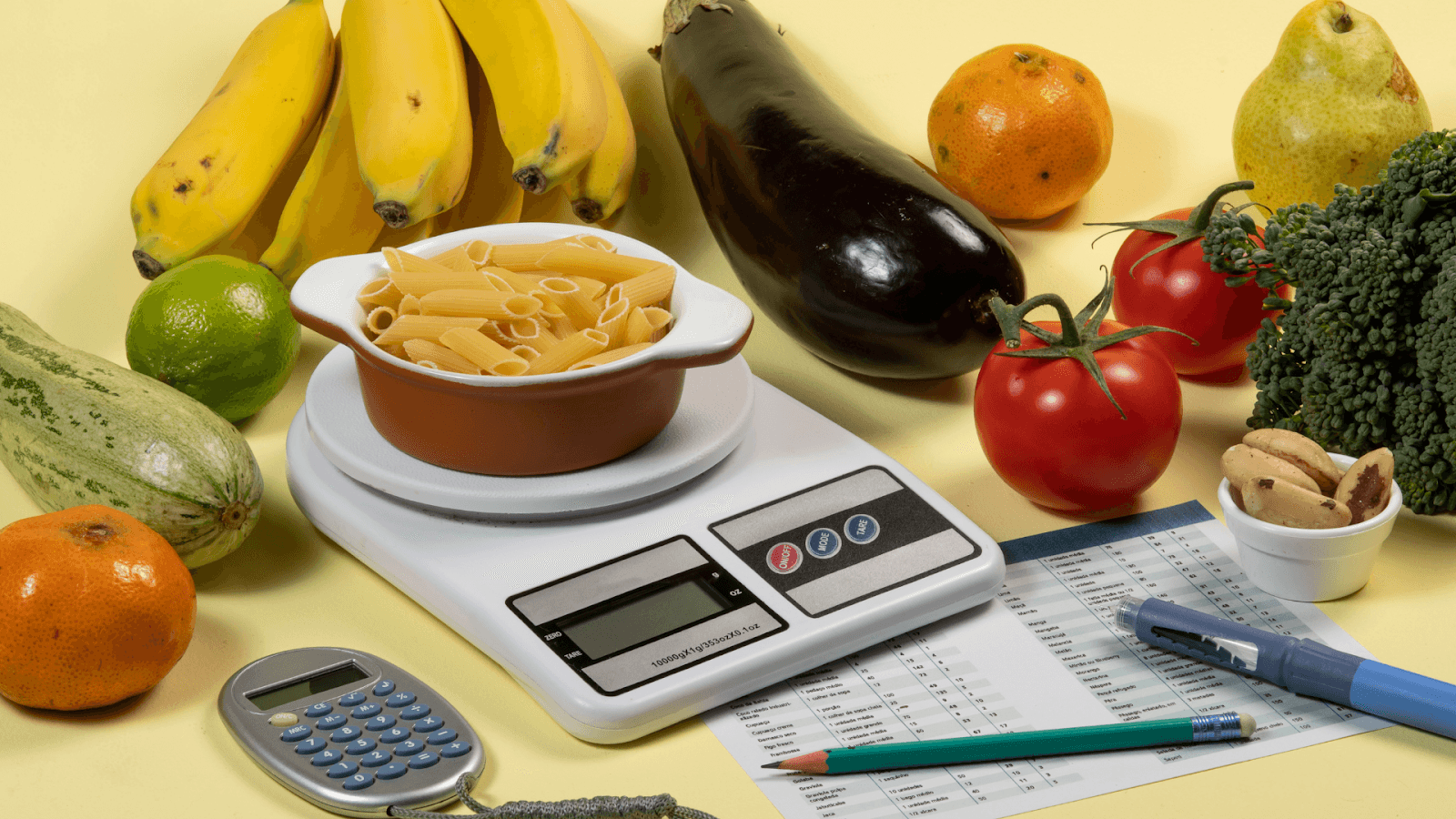
Not all carbs are created equal.
Carbohydrate counting helps you keep track of how much sugar your body has to process, while the glycemic index (GI) tells you how quickly a food raises blood glucose levels.
Low-GI foods (55 or less): oats, lentils, apples, sweet potatoes
Moderate-GI foods (56–69): brown rice, corn, bananas
High-GI foods (70+): white bread, sugary cereals, potatoes
Aim to prioritize low-GI carbs that release glucose slowly and steadily.
Research Insight: A 2021 review in Nutrients found that low-GI diets improved HbA1c levels, insulin sensitivity, and weight control in people with type 2 diabetes compared to high-GI diets.
Portion Control: A Game-Changer for Glucose Stability
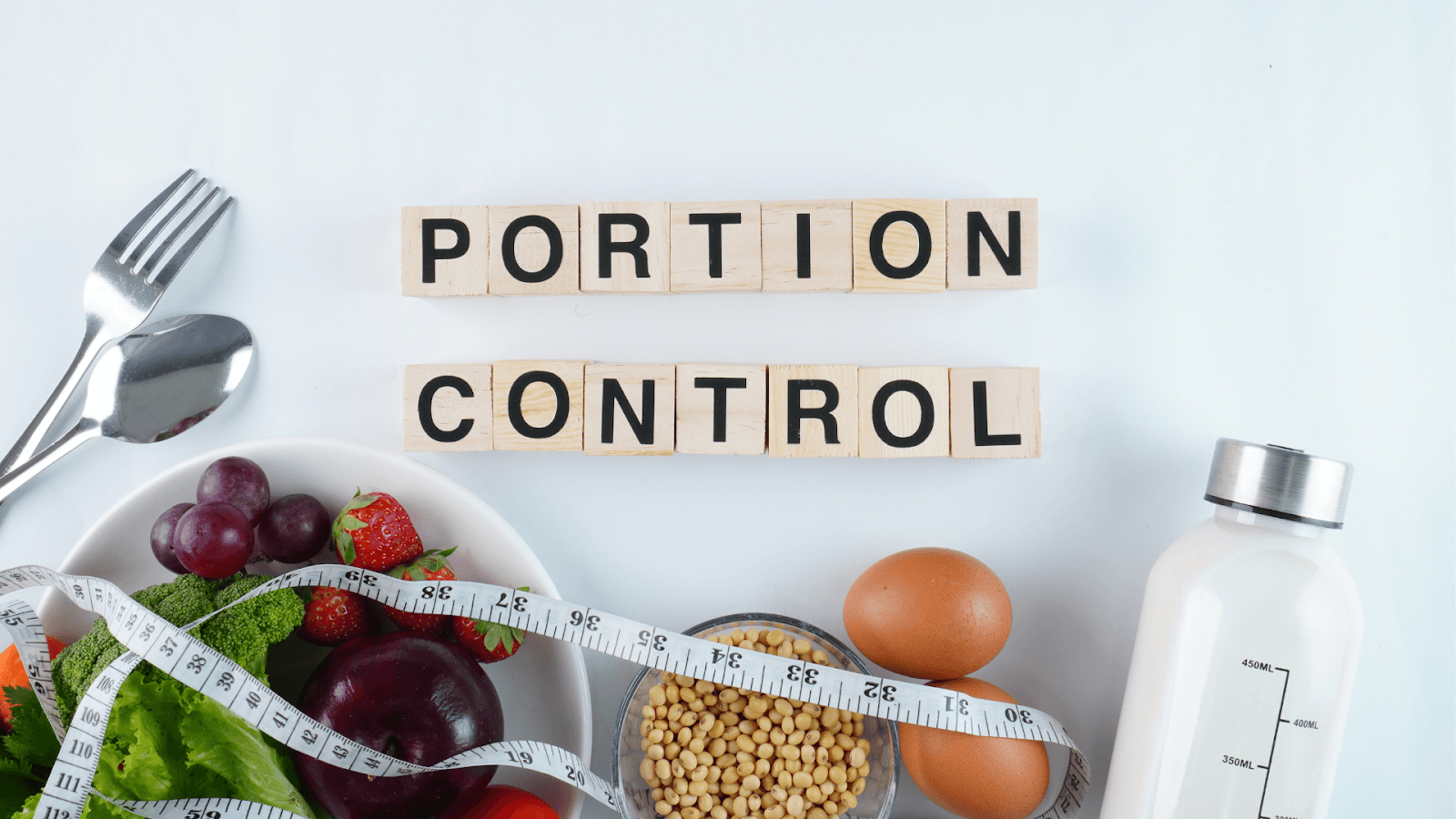
Even healthy foods can raise blood sugar if the portions are too large. Here are some practical strategies:
Use the “plate method”: Half non-starchy veggies, one-quarter lean protein, one-quarter complex carbs
Eat mindfully, don’t multitask during meals
Pre-portion snacks to avoid overdoing it
Research Insight: A study published in Diabetes Care showed that people with type 2 diabetes who practiced portion control improved post-meal glucose levels and lost more weight over six months compared to those without portion guidance.
Sample Diabetes Meal Plan: A Day of Balanced Eating
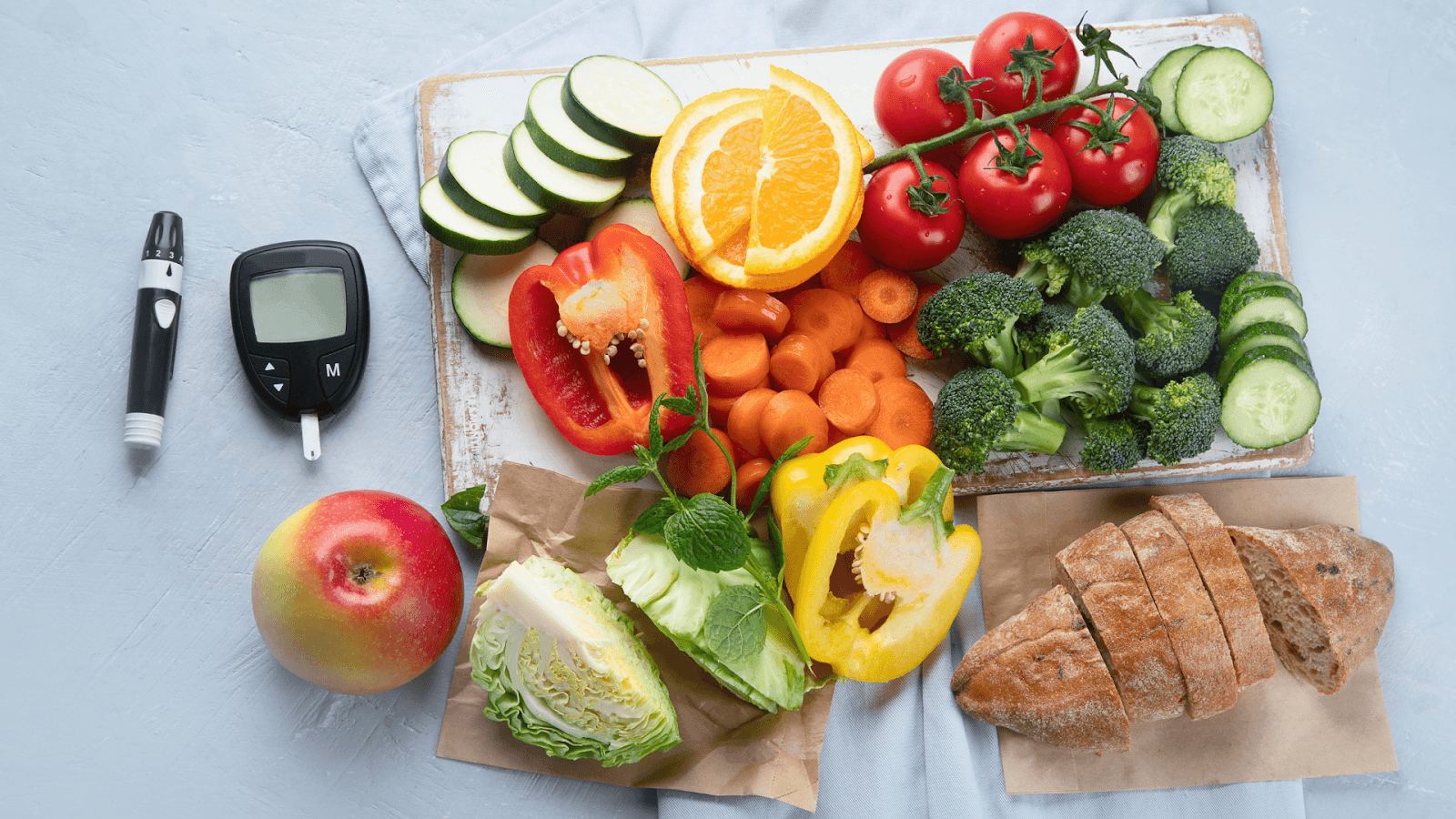
Here’s a practical example of how to put everything together:
Meal | What to Eat |
|---|---|
Breakfast | Oatmeal (½ cup), topped with chia seeds and blueberries + 1 boiled egg |
Snack | 10 almonds + 1 small apple |
Lunch | Grilled chicken salad with olive oil dressing + 1 small whole wheat roll |
Snack | Greek yogurt (unsweetened) + cinnamon |
Dinner | Baked salmon + ½ cup quinoa + steamed broccoli and carrots |
Optional | Herbal tea or a small piece of dark chocolate (85%+) post-dinner |
This plan:
Keeps carb portions moderate and consistent
Incorporates protein and healthy fat in every meal
Uses low-GI carbs to support stable blood sugar
Final Tips for Sustainable Meal Planning
Batch cook on weekends to save time during the week
Rotate your protein and veggie sources to prevent boredom
Stay hydrated—even mild dehydration can affect blood glucose levels
Use apps or journals to track meals and blood sugar responses
Conclusion: Build Your Plate, Balance Your Blood Sugar
A diabetes diagnosis doesn’t mean giving up your favorite foods. It means becoming more intentional with your choices. With the right diabetes meal plan, smart carbohydrate counting, awareness of the glycemic index, and good portion control, you can enjoy food while managing your blood sugar effectively.
Because food isn’t the enemy, it’s your most powerful tool.