Summary
Poor glycemic control quietly damages the heart, kidneys, nerves, eyes, and immune system over time, even before full-blown diabetes develops.
Every 1% reduction in HbA1c is linked to a 21% lower risk of diabetes-related death and a 37% lower risk of microvascular complications, per the UKPDS study.
Balanced meals with protein, fiber, and healthy fats, along with good sleep, stress management, and regular movement, help keep blood sugar steady.
Small daily habits like eating on a consistent schedule, walking after meals, and staying hydrated matter more than perfection.
When most people hear the term poor glycemic control, they think of diabetes. But high and unstable blood sugar levels don’t just affect diabetes management, they quietly harm multiple systems in your body, from your heart and kidneys to your energy levels.
This blog uncovers the long-term effects of poor glycemic control, and more importantly, how simple daily habits can keep your blood sugar steady and your body functioning at its best.
Introduction: Mastering Glycemic Control with Simple Daily Habits
Glycemic control refers to how well your body manages blood glucose levels. When blood sugar spikes frequently or stays too high, it places ongoing stress on your organs, blood vessels, and metabolism. Over time, this can lead to complications, even if you don’t have full-blown diabetes yet.
But here’s the good news: Small, consistent habits can have a big impact.
The Long-Term Effects of Poor Glycemic Control
High blood sugar over time silently damages tissues. It's often called a “slow burn” because symptoms don’t always show up until much later, when damage is already underway.
Table: Organ Systems Affected by Poor Glycemic Control
System | Impact of Poor Glycemic Control |
|---|---|
Cardiovascular | Increased risk of heart disease, stroke, and hypertension |
Renal (Kidneys) | Diabetic nephropathy, leading to kidney failure |
Nervous System | Nerve damage (neuropathy), often in hands and feet |
Energy & Metabolism | Chronic fatigue, insulin resistance, and weight gain |
Eyes | Retinopathy, leading to vision loss |
Immune System | Slower wound healing and higher infection risk |
According to a landmark study, the UK Prospective Diabetes Study (UKPDS), every 1% reduction in HbA1c (a key marker of glycemic control) is associated with a 21% decrease in risk of diabetes-related death and a 37% decrease in microvascular complications.
How Balanced Meals Help Maintain Steady Blood Sugar

Your body thrives on stability, especially when it comes to blood sugar. One of the most effective strategies? Eating balanced meals that include protein, fiber, and healthy fats.
Avoid sugary spikes: Replace refined carbs with whole grains, legumes, and vegetables.
Include protein and fat: These slow the absorption of glucose and keep you fuller for longer.
Watch portion sizes: Overeating, even healthy foods, can still cause blood sugar to rise.
The Importance of Consistent Habits for Long-Term Glycemic Control
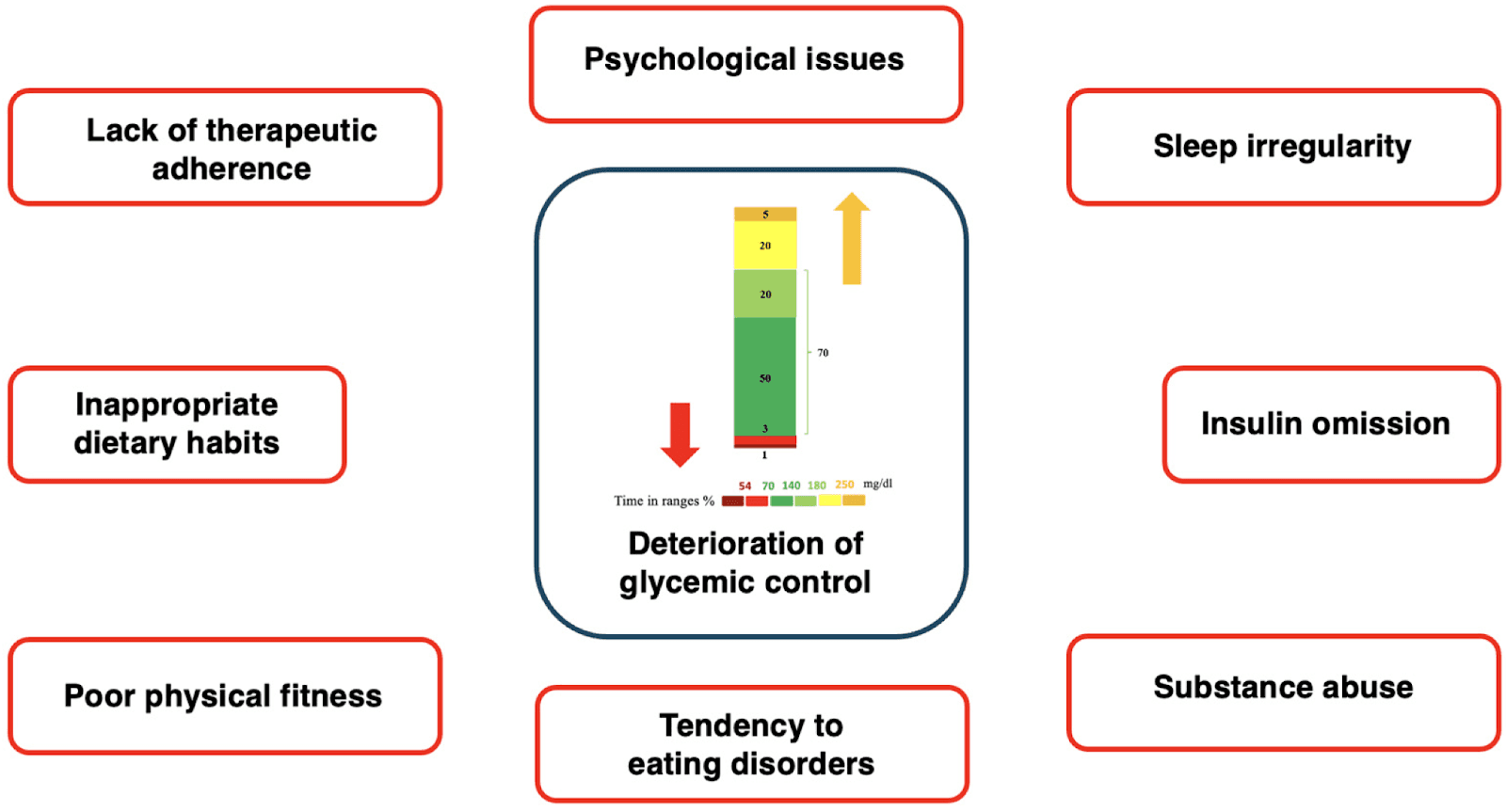
Credits: MDPI
Blood sugar doesn’t just respond to what you eat, but when, how, and what else you do during the day. That’s where habits come in.
Sleep: Poor sleep disrupts insulin sensitivity.
Stress: Chronic stress increases cortisol, which raises glucose.
Activity: Movement helps your muscles use glucose efficiently.
In a study published in Diabetologia, participants who engaged in regular moderate physical activity (30 min/day) improved insulin sensitivity and saw better glucose control, regardless of weight loss.
Simple Glycemic Control Habits: Mindful Eating and Staying Active
Building routines doesn’t require overhauling your life. Start with just a few small, sustainable habits:
Sample Daily Routine:
Time | Habit |
|---|---|
Morning | Balanced breakfast (protein + fiber), 10-min walk |
Afternoon | Eat lunch at a fixed time, stay hydrated |
Evening | Early dinner with vegetables and lean protein |
Night | Gentle stretching, limit screen time before bed |
Bonus tip: Track your meals and energy patterns to catch hidden sugar spikes.
Practical Tips for Maintaining Glycemic Control and Improving Health
Avoid skipping meals — this can lead to rebound hyperglycemia
Snack smart — think nuts, boiled eggs, or unsweetened yogurt
Move after meals — even a 10-minute walk helps
Monitor your glucose if advised, especially after new meals or routines
Hydrate consistently — dehydration can mimic blood sugar issues
Conclusion: Small Habits That Make a Big Difference
Glycemic control isn’t just for people with diabetes, it’s foundational for long-term health, energy, and disease prevention. Unchecked blood sugar may go unnoticed today, but the consequences accumulate over time.
With a few intentional habits each day, balanced meals, mindful movement, and stress management, you can protect your organs, feel more energized, and prevent future complications.
The takeaway: Your blood sugar doesn't need perfection. It needs consistency.