Summary
Type 2 diabetes can raise the risk of tendinopathy—tendon pain, inflammation, and stiffness—through high blood sugar, poor circulation, collagen stiffening, and nerve damage.
Tendinopathy commonly affects the shoulders, elbows, wrists, and knees, and can limit mobility and daily activity.
Research has linked diabetes to changes in tendon collagen that slow healing and increase injury risk.
Keeping blood sugar under control, along with physical therapy, rest, and healthy lifestyle habits, is key to managing and preventing tendon damage.
Diabetes is a well-known condition with a broad range of complications that affect various parts of the body, from the heart to the eyes. But did you know it can also have a serious impact on your tendons? Tendinopathy, a condition that causes pain and inflammation in the tendons, is becoming increasingly common in people with Type 2 diabetes. In this blog, we’ll explore the connection between Type 2 diabetes and tendinopathy, its causes, and how to manage it effectively.
What is Tendinopathy?
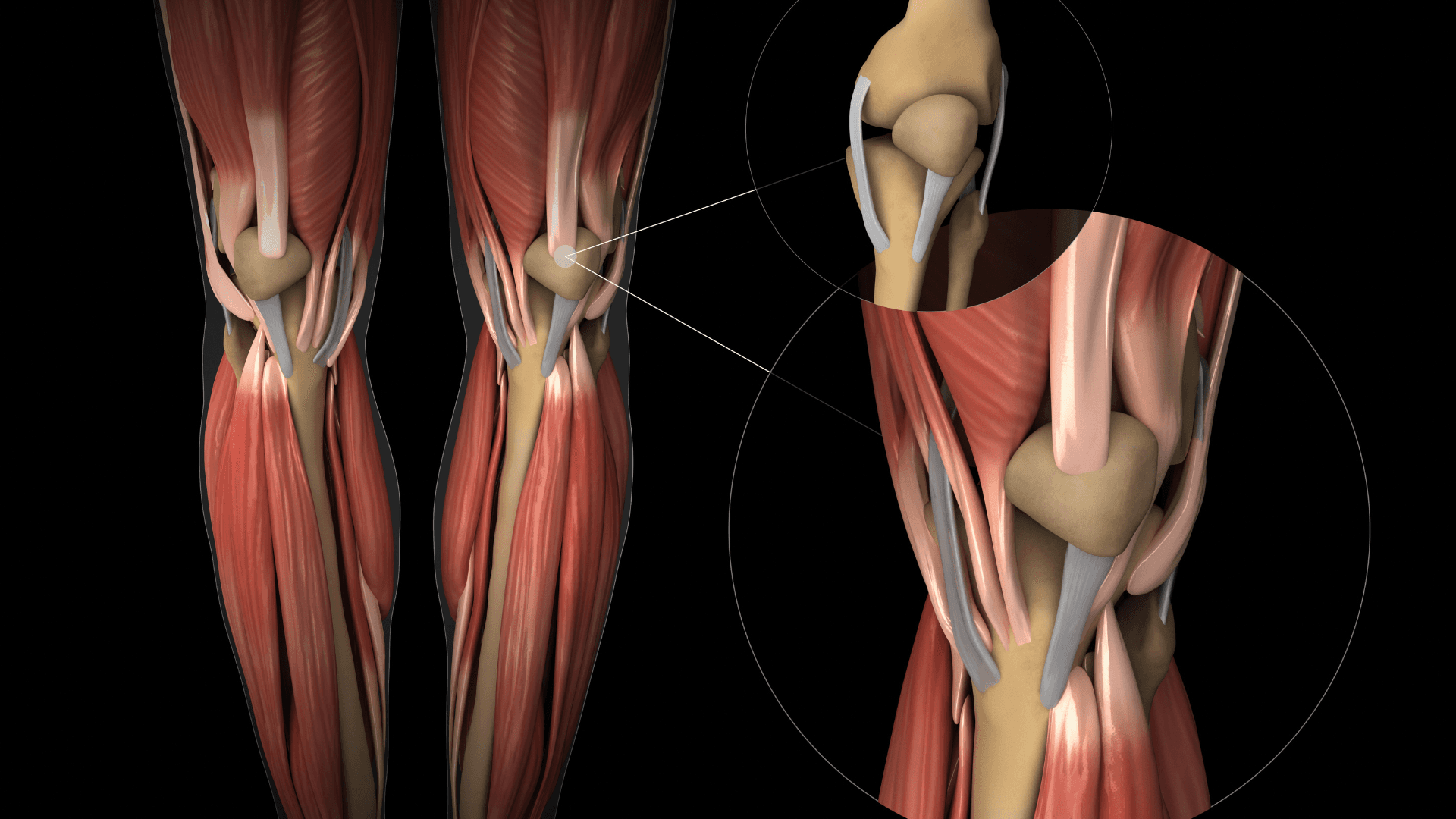
Tendinopathy refers to damage to a tendon, often due to overuse or wear and tear. Tendons are tough bands of connective tissue that link muscles to bones, helping with movement. When these tendons become irritated, inflamed, or degenerate, it can lead to pain, stiffness, and limited mobility, which can interfere with daily activities.
There are different types of tendinopathy, such as:
Tendinitis: Inflammation of the tendon.
Tendinosis: Degeneration of the tendon due to repetitive stress.
Symptoms of tendinopathy can vary, but generally include pain at the site of the tendon, swelling, and reduced flexibility. Common areas affected are the shoulders, elbows, wrists, and knees.
How Diabetes Affects Tendons
Now, let’s get to the heart of the matter—how exactly does Type 2 diabetes contribute to tendinopathy? Well, it all boils down to how the condition affects your body’s ability to heal and maintain its tissues.
High Blood Sugar and Inflammation: High blood glucose levels can increase inflammation in the body, which leads to irritation and swelling of the tendons. This can make tendons more prone to damage and less able to repair themselves efficiently.
Reduced Blood Flow: Diabetes can lead to poor circulation, meaning the tendons don’t get the nutrients and oxygen they need for healing. Without this vital supply, the tendons become weaker and more susceptible to injury.
Collagen Cross-Linking: Collagen, the primary protein that makes up tendons, can undergo a process called "cross-linking" in people with diabetes, particularly when blood sugar levels are poorly controlled. This causes the collagen fibers to stiffen, making tendons less flexible and more likely to tear.
Nerve Damage: High blood sugar levels can also cause nerve damage (neuropathy), which can impair the signals sent to tendons, making it more difficult for the body to respond to stress and prevent injuries.
The combination of these factors makes those with Type 2 diabetes more vulnerable to tendinopathy, often leading to chronic pain and mobility issues.
Research on Diabetes and Tendinopathy
Studies show that high blood sugar from Type 2 diabetes can damage tendons, making them stiffer and less flexible. This leads to a higher risk of tendinopathy. A 2019 study in the Journal of Clinical Endocrinology & Metabolism found that diabetes affects collagen in tendons, slowing down healing and increasing injury risk. Managing blood sugar is key to preventing tendon problems.
Managing Tendinopathy in Diabetics
Managing tendinopathy when you have Type 2 diabetes requires a multi-faceted approach. Here are some strategies to help ease symptoms and promote healing:
Blood Sugar Control: The most important step in managing tendinopathy related to diabetes is to keep your blood sugar levels in check. The more controlled your blood sugar, the lower the chances of inflammation and tendon damage. Apps like HealD, paired with advanced technology like the Stelo CGM, can help monitor and maintain blood sugar levels effectively, offering you personalized care plans tailored to your lifestyle.
Physical Therapy: Targeted exercises that focus on strengthening the muscles surrounding the affected tendon can help alleviate pain and improve mobility. A physical therapist can design a plan to help you gradually increase flexibility and strength.
Rest and Recovery: Overuse is a common cause of tendinopathy. Avoiding excessive strain on the affected tendon, especially in the early stages of the condition, is crucial. Gentle stretching and rest are essential for recovery.
Anti-Inflammatory Medications: Non-steroidal anti-inflammatory drugs (NSAIDs) can help reduce swelling and pain in the tendons, providing temporary relief. However, it’s important to consult with a doctor before taking these, as they can interact with diabetes medications.
Compression and Elevation: In addition to physical therapy, using compression bandages and elevating the affected area can help reduce swelling and promote healing.
Healthy Lifestyle Habits: Incorporating regular exercise, a balanced diet, and proper hydration into your daily routine can also support tendon health. Healthy habits will improve circulation, strengthen muscles, and reduce the risk of further injury.
HealD X: The Advanced Diabetes Program with Stelo CGM
If you're looking for a comprehensive solution to manage your diabetes and reduce complications like tendinopathy, HealD X offers an advanced program designed to support your health journey. With the help of the Stelo CGM (Continuous Glucose Monitor), starting at just $89/month, you can gain real-time insights into your blood sugar levels. This allows for more informed decision-making, making it easier to manage your blood sugar and prevent complications, like tendinopathy, from affecting your life.
At HealD, we believe healing starts with the mind. Our holistic approach focuses on small, consistent actions and building positive habits that gradually lead to better health. We don’t just offer a nutrition plan; we provide a holistic care system that includes personalized plans, emotional support, and ongoing guidance from your dedicated care team.
Final Thoughts
Type 2 diabetes can significantly increase your risk of developing tendinopathy, making it important to manage both conditions effectively. By maintaining good blood sugar control, engaging in physical therapy, and making lifestyle changes, you can reduce the risk of tendon damage and improve your quality of life. And with the help of HealD X, you have a powerful tool to keep your diabetes under control while addressing complications like tendinopathy head-on. Stay proactive, take small steps every day, and your body will thank you for it.