Heald Membership: Your Path to Diabetes Reversal


Medically Reviewed By:
Table of content
Summary
Constant snacking may keep blood glucose from returning to baseline between eating occasions, especially in people who are already managing diabetes or prediabetes.
Even healthy foods can raise blood sugar depending on portion size, carbohydrate content, timing, and individual metabolism.
Many diabetes resources recommend regular meal timing and spacing meals by about 2 to 3 hours or more, but the best pattern is individualized.
CGM and A1C are useful for monitoring patterns and personalizing meal timing, not for replacing clinical guidance.
Heald can help people who want more structure around meal timing by turning glucose data into practical eating patterns. Using CGM trends, food logs, and routine check-ins, the program can help identify whether frequent snacking, late eating, or large carb loads may be affecting individual readings. That makes it easier to personalize meal spacing, snack timing, and follow-up goals with clinical oversight.
This approach is most useful for people who feel they are eating “healthy” but still see inconsistent glucose patterns. It can also support people who want a clearer plan for breakfast, lunch, dinner, and optional snacks without relying on one-size-fits-all rules.
What does constant snacking do to blood sugar?
Constant snacking may reduce the time blood glucose has to fall between eating occasions. In some people, that can keep glucose and insulin responses active for longer, which may affect hunger, energy, and overall glycemic patterns.
Constant snacking, sometimes called grazing, means eating or drinking calories repeatedly across the day instead of allowing a clear gap between meals. For some people, that pattern may make it harder for blood glucose to return toward baseline before the next eating occasion.
This does not mean every snack is harmful. The effect depends on what is eaten, how much is eaten, when it is eaten, and how an individual’s body responds. People using glucose-lowering medications, or people with diabetes or prediabetes, may notice more visible changes on a CGM or fingerstick meter.
Clinical guidance from major diabetes organizations emphasizes regular meal timing and individualized planning. The American Diabetes Association notes that giving the body time between meals can help blood glucose lower before the next meal, and the CDC similarly recommends eating at regular times and tracking what makes glucose rise or fall.
The ADA meal-planning page says to eat at regular times and allow about 2 to 3 hours between meals so blood glucose can lower before the next meal.
The CDC advises eating at regular times, not skipping meals, and tracking blood sugar to see what makes it go up or down.

Why does meal timing for blood sugar control matter?
Meal timing for blood sugar control matters because the body’s glucose response is shaped not only by food type, but also by how often food is eaten. Longer gaps between meals may help some people see clearer glucose patterns and better appetite awareness.
When you eat, digestion begins and blood glucose usually rises to some degree. After that, insulin helps move glucose into cells for use or storage. If another meal or snack arrives before the first response has settled, the next rise can overlap with the prior one.
That overlap may make glucose patterns look flatter but higher across the day, especially if snacks contain carbohydrate or if beverages add calories between meals. For some people, that can make it harder to tell whether hunger is physical, habitual, or driven by a rapid glucose swing.
It is more accurate to think in terms of meal spacing or a fasting interval between meals rather than a special “reset” state. The goal is not to force long fasts. The goal is to create enough time between eating occasions for glucose trends to become easier to interpret and, in some people, easier to manage.
ADA and CDC guidance both support regular meal timing as part of blood glucose management.
The ADA notes that all foods affect blood glucose, but some have a bigger impact than others.
Can healthy foods still raise blood sugar?
Yes. Healthy foods can still raise blood sugar, especially if portions are large, carbohydrate content is high, or the food is consumed repeatedly throughout the day. The issue is usually the glucose response, not whether the food is “good” or “bad.”
Fruit, oats, yogurt, smoothies, nuts, and whole-grain crackers can all fit into a healthy eating pattern. They are not inherently problematic. But they still contain calories, and many of them contain carbohydrate, so they can raise blood glucose depending on portion size, timing, and individual metabolism.
A smoothie that is sipped slowly over an hour may create a longer glucose exposure than the same ingredients eaten as a single meal. Likewise, a handful of nuts may have a smaller effect than a snack that combines starch, sugar, and fat, but the total pattern still matters if it happens repeatedly.
The ADA and CDC both stress that blood glucose management depends on what, when, and how much you eat. That is why the same food can look very different on a CGM in two different people, or even in the same person on different days.
The ADA states that all foods affect blood glucose, though some have a larger impact than others.
The CDC says the amount you can eat and stay in range depends on factors such as age, weight, activity level, and more.
When does snacking make sense?
Snacking can make sense when it is intentional, such as for people taking glucose-lowering medication, people with high activity levels, or people who need a bridge between meals. The key is structure, not constant nibbling.
Not everyone should avoid snacks. Some people may need them to prevent low blood sugar, support exercise, or manage long gaps between meals. Others may do better with three meals and one planned snack, while some may prefer three meals without snacks.
The important distinction is between a planned snack and unstructured grazing. A planned snack is usually eaten for a reason and in a defined amount. Grazing tends to happen repeatedly, often without much awareness, and may make it harder to understand what is driving hunger or glucose changes.
If you use insulin or another medication that can cause hypoglycemia, meal timing should be individualized with your clinician. The CDC recommends working with a dietitian or diabetes educator to create a meal plan that fits your needs.
The CDC recommends working with a dietitian or diabetes educator to create a meal plan.
The ADA recognizes multiple meal patterns and recommends choosing the one that fits the person.
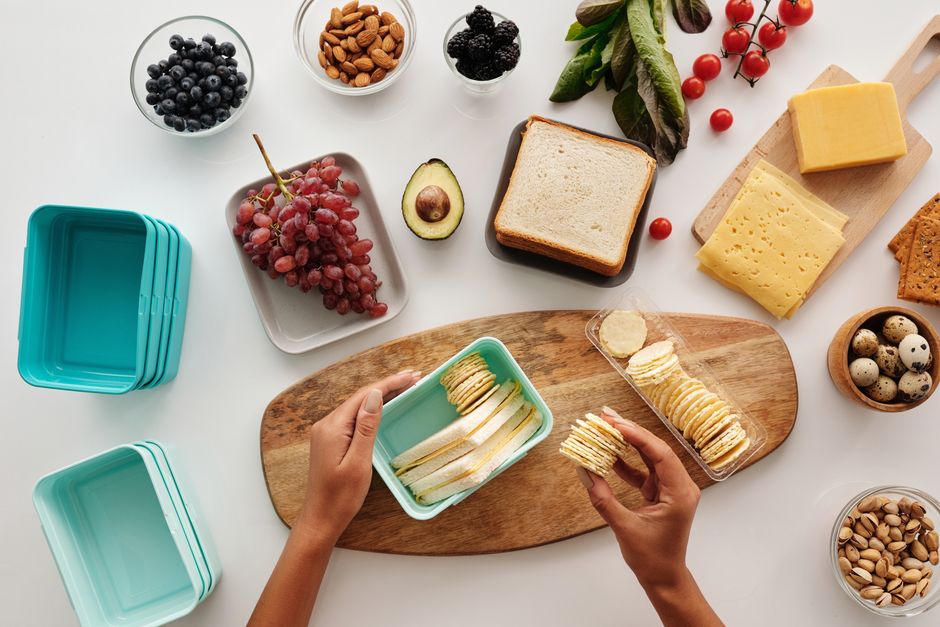
Photo by Vanessa Loring on Pexels.
FAQs
Q: Does constant snacking raise blood sugar?
A: It can, especially if snacks contain carbohydrate or calories and happen before glucose has returned toward baseline. The effect varies by portion size, timing, medication use, and individual response.Q: How many hours should I wait between meals for blood sugar?
A: Many diabetes resources suggest about 2 to 3 hours between meals, but the best spacing depends on your goals, medications, activity level, and glucose patterns. Ask your clinician for individualized guidance.Q: Are healthy snacks bad for blood sugar?
A: No. Healthy snacks are not bad by default. Their effect depends on the amount, carbohydrate content, and how often they are eaten. Some people do well with planned snacks, while others do better with fewer eating occasions.Q: Can CGM help with meal timing?
A: Yes. A CGM can show how your glucose changes after meals and snacks, which may help you and your care team personalize meal timing, portions, and snack choices. It is a monitoring tool, not a universal eating rule.Q: Who may benefit from structured eating?
A: People with diabetes, prediabetes, frequent grazing habits, or unclear hunger and energy patterns may benefit from more structured eating. Anyone using glucose-lowering medication should review meal timing with a clinician.

Sandeep Misra is the Co-Founder and Chief Growth Officer at Heald, where he leads growth strategy and partnerships for data-driven programs focused on diabetes reversal and metabolic health. He brings over two decades of experience across healthcare technology, population health, and enterprise partnerships, having held senior leadership roles at AWS, Rackspace, and NTT Data.
Popular Blogs





Comments