Summary
PCOS is not one condition with one treatment plan; the Rotterdam framework recognizes four phenotypes with different reproductive and metabolic patterns.
Phenotypes that include hyperandrogenism and ovulatory dysfunction often carry higher cardiometabolic risk, while phenotype D is often considered the least metabolically severe.
Lifestyle treatment remains first-line for many people with PCOS, but diet, exercise, and weight-management goals should be individualized by phenotype and symptoms.
The 2023 international PCOS guideline supports shared decision-making and long-term, sustainable lifestyle interventions rather than one-size-fits-all advice.
What are the 4 phenotypes of PCOS?
The four PCOS phenotypes are usually described using the Rotterdam criteria: phenotype A, B, C, and D. They differ by whether a person has hyperandrogenism, ovulatory dysfunction, and polycystic ovarian morphology, which helps explain why symptoms and treatment response can vary.
PCOS is a heterogeneous endocrine and metabolic condition, which means two people can meet the diagnosis while having very different symptom patterns. The Rotterdam framework groups PCOS into four phenotypes based on the combination of three features: hyperandrogenism, ovulatory dysfunction, and polycystic ovarian morphology.
Phenotype A includes all three features and is often considered the “classic” presentation. Phenotype B includes hyperandrogenism plus ovulatory dysfunction, phenotype C includes hyperandrogenism plus polycystic ovarian morphology, and phenotype D includes ovulatory dysfunction plus polycystic ovarian morphology without hyperandrogenism.
This distinction matters because the reproductive, metabolic, and psychological burden is not evenly distributed across phenotypes. Current guideline-based care emphasizes individualized assessment rather than assuming every person with PCOS needs the same intervention.
The 2023 international evidence-based guideline for PCOS includes 254 recommendations and practice points to support more consistent, individualized care.
The guideline was developed with input from more than 3,000 health professionals and 100+ multidisciplinary experts across 71 countries.
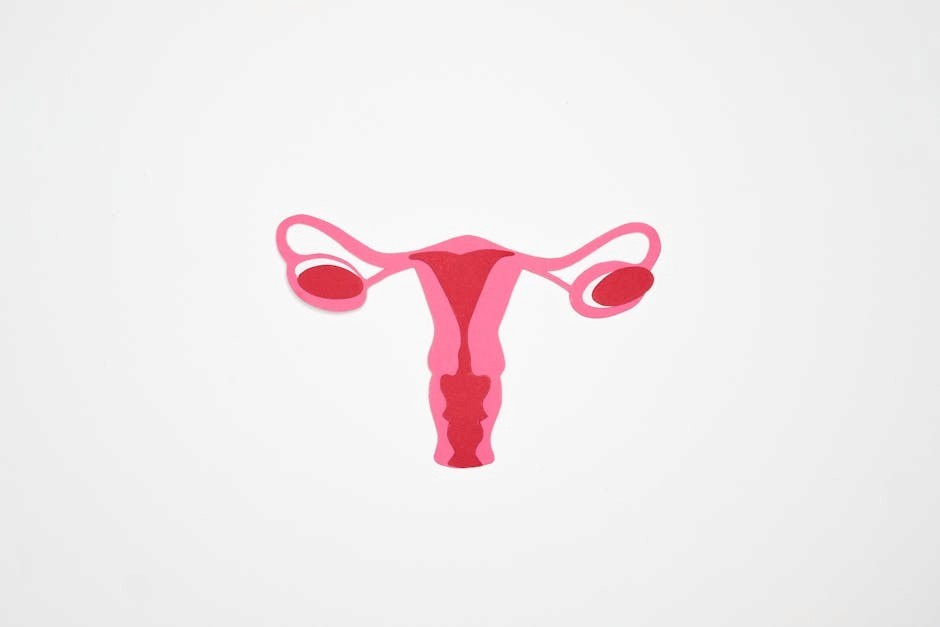
Photo by Nadezhda Moryak on Pexels.
Which PCOS phenotype has the highest metabolic risk?
Phenotypes that combine hyperandrogenism with ovulatory dysfunction, especially phenotype A and phenotype B, are often linked with greater insulin resistance and cardiometabolic risk. Phenotype D is frequently less severe metabolically, but it still needs monitoring.
Research consistently shows that metabolic risk is not uniform across PCOS phenotypes. Studies comparing phenotype groups have found higher rates of obesity, dyslipidemia, insulin resistance, and metabolic syndrome in the more androgenic phenotypes, especially those that include ovulatory dysfunction.
For example, an Eastern Indian cohort reported metabolic syndrome in 19.51% of phenotype A and 20.0% of phenotype B, compared with 7.69% of phenotype C and 7.41% of phenotype D. That pattern supports the idea that phenotype matters when estimating long-term cardiometabolic risk.
Another review noted that the relationship between PCOS, adiposity, and insulin resistance is complex, but phenotype and body composition both influence risk. In practical terms, a person with phenotype D may still have symptoms and fertility concerns, but a person with phenotype A may need closer metabolic surveillance from the start.
In one study, metabolic syndrome was nearly three times more common in phenotypes A and B than in phenotypes C and D.
A review of cardiometabolic risk in PCOS found evidence of increased cardiovascular risk factors, though long-term findings remain heterogeneous.

Photo by Tessy Agbonome on Pexels.
How should treatment differ by PCOS phenotype?
Treatment should be based on the person’s dominant problems, not just the label. In higher-risk phenotypes, clinicians often focus more on metabolic screening, insulin resistance, and weight-related goals, while lower-risk phenotypes may need more fertility and cycle-focused support.
Although the diagnosis may be shared, the treatment priorities can differ. Someone with phenotype A or B may benefit from earlier attention to glucose regulation, lipids, blood pressure, and weight management, while someone with phenotype C or D may present more strongly with acne, hirsutism, or irregular ovulation.
The 2023 international guideline supports a shared decision-making approach and recommends care that reflects the person’s symptoms, cardiometabolic profile, and reproductive goals. That means treatment is usually built around the most clinically important issue, not the phenotype alone.
In real-world practice, phenotype can act as a risk signal. It does not replace clinical evaluation, but it can help prioritize whether the first conversation should center on fertility, cycle regulation, insulin resistance, or long-term metabolic prevention.
The 2023 guideline was designed to improve timely diagnosis, accurate assessment, and optimal treatment of PCOS worldwide.
The guideline explicitly aims to support better health outcomes and quality of life through individualized care.

Photo by cottonbro studio on Pexels.
Which lifestyle changes help PCOS most?
Lifestyle intervention is a core part of PCOS care. Evidence supports regular physical activity, structured nutrition changes, and sustainable weight management when needed, especially because these approaches can improve insulin sensitivity, menstrual regularity, and cardiometabolic markers.
Across reviews, exercise and nutrition consistently appear as first-line strategies for many people with PCOS. The goal is not extreme dieting or punishing workouts; it is to improve insulin sensitivity, reduce metabolic stress, and support ovulation and cycle regularity over time.
A systematic review of physical activity in women with PCOS found seven randomized controlled trials and reported benefits for reproductive health outcomes. Another review of exercise training in PCOS, prepared to inform the 2023 guideline, compared modalities to identify which approaches may best improve metabolic, hormonal, reproductive, and psychological outcomes.
Dietary evidence also points toward structured, sustainable patterns rather than a single “best” diet. A network meta-analysis of dietary interventions in PCOS evaluated anthropometric, glycemic, lipid, and hormonal outcomes, while broader reviews suggest Mediterranean-style and low-glycemic eating patterns may be useful for some patients.
A systematic review on physical activity in PCOS included seven randomized controlled trials and found reproductive health benefits.
The 2023 guideline update was informed by exercise-modality evidence to compare metabolic, hormonal, reproductive, and psychological outcomes.
How can diet and exercise be matched to the right phenotype?
Phenotype-informed care means matching the plan to the main risk pattern. People with more metabolic features may need stronger focus on insulin resistance and weight-related goals, while those with more reproductive symptoms may need cycle support, fertility planning, and androgen management.
There is no single diet or workout plan that fits every PCOS phenotype. A phenotype-aware approach starts by asking what the main problem is: irregular ovulation, androgen-related symptoms, metabolic risk, or fertility concerns. That answer helps determine whether the priority should be calorie balance, carbohydrate quality, resistance training, or a broader lifestyle reset.
For many patients, combined exercise may be especially practical because it can support body composition, glucose control, and mental health at the same time. Resistance training may help preserve lean mass, while aerobic activity can support cardiometabolic health; together, they may be more sustainable than relying on one exercise style alone.
Dietary approaches should also be individualized. Some patients do well with Mediterranean-style eating, others with lower-glycemic meal patterns, and some with structured calorie reduction if weight loss is clinically appropriate. The best plan is the one that the patient can follow consistently and safely.
Exercise interventions in PCOS have also been studied for mental health and quality-of-life outcomes, with 11 trials identified in one review.
Dietary intervention evidence has been synthesized in a network meta-analysis comparing multiple nutrition strategies in PCOS.