Summary
Beans are generally good for people with type 2 diabetes because their fiber and protein slow digestion, leading to a smaller, more gradual rise in blood sugar instead of a sharp spike.
Black beans, pinto beans, and kidney beans are among the best choices, while fava beans, broad beans, and heavily processed bean products (like refried beans with lard or sugary baked beans) should be limited.
Portion control matters since beans still contain carbohydrates, so aim for about half a cup per serving and pair beans with non-starchy vegetables.
Canned beans are fine if you pick low-sodium or no-salt-added varieties and rinse them, and CGM tracking can show exactly how different beans and portions affect your own blood sugar.
This blog explores why beans are a powerful addition to a diabetic-friendly diet, highlighting their fiber, protein, and low glycemic impact for better blood sugar control. It breaks down which beans are best (and which to limit), offers practical tips on portions and preparation, and explains how tools like CGMs and Heald’s personalized programs can help you see exactly how beans affect your glucose in real time.
When managing diabetes, one of the most important factors is diet. Among various food groups, beans are often recommended for their rich fiber and protein content.
But how good are beans for diabetics? In this blog, we’ll explore the health benefits, potential risks, and best types of beans to include in a diabetic-friendly diet. We’ll also look at the role of continuous glucose monitoring (CGM) and expert guidance in making the best choices for blood sugar management.
Are Beans Good for Diabetics? Understanding the Blood Sugar Response
Beans are generally beneficial for people with diabetes because they digest slowly and cause a gradual rise in blood sugar. However, individual responses vary based on portion size, preparation, and insulin sensitivity. This is why some people experience stable glucose after eating beans, while others may see higher-than-expected readings.
Why Beans Are Good for Diabetics
Beans are a staple in many diets worldwide, especially for people looking for plant-based sources of protein and fiber. Here’s why they’re considered a good choice for people with diabetes:
High in Fiber
Beans are an excellent source of soluble fiber, which has several benefits for people with diabetes:
Slows glucose absorption: Soluble fiber slows the digestion of food and reduces the absorption of sugars in the bloodstream, which helps prevent sharp rises in blood sugar levels.
Supports gut health: Fiber aids in digestive health, reducing the risk of constipation—a common issue in people with diabetes.
According to a study published in The American Journal of Clinical Nutrition, high-fiber diets have been shown to significantly improve blood glucose control in people with type 2 diabetes.
High in Protein
In addition to being rich in fiber, beans are also an excellent source of protein. Protein helps:
Maintain muscle mass: Especially important for diabetics who might be losing muscle due to poor glucose control.
Provide long-lasting energy: Protein digests slower than carbohydrates, helping to keep blood sugar levels stable throughout the day.
A cup of cooked beans contains about 15 grams of protein. For people with diabetes, this combination of fiber and protein is a double win.
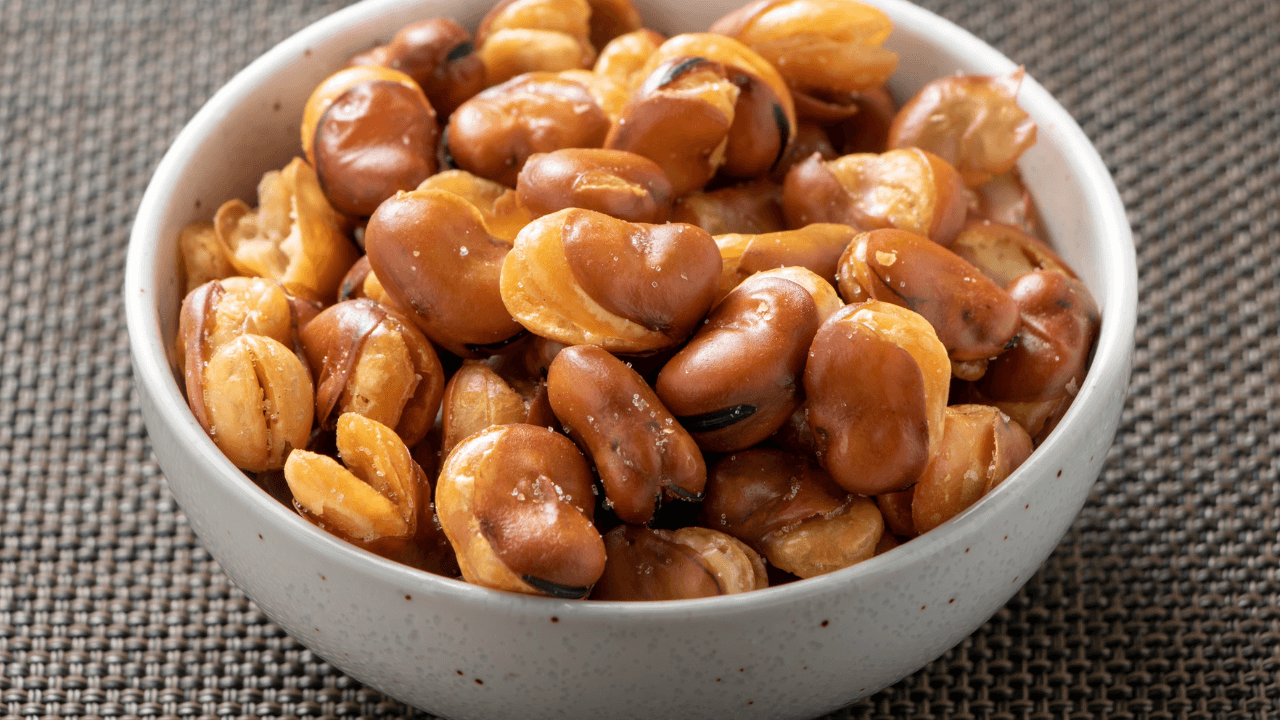
Nutritional Benefits of Beans
Beans are nutrient powerhouses. Aside from fiber and protein, they contain important vitamins and minerals that support overall health. Here are some of the key nutrients found in beans:
Magnesium: Helps regulate blood sugar and blood pressure.
Potassium: Important for heart health, potassium helps balance sodium levels and reduce blood pressure.
Iron: Helps improve energy levels and oxygen transportation in the blood.
Low in Fat: Beans are naturally low in fat, making them a heart-healthy choice for people with diabetes.
How Beans Can Reduce Cravings and Support Healthier Eating Habits
The fiber and protein in beans help prevent rapid blood sugar drops that often trigger cravings and overeating. When glucose stays more stable, food choices are driven less by hunger and impulse and more by intention, making long-term habit change easier to maintain.
Blood Sugar Control with Beans
One of the main reasons beans are recommended for diabetics is their effect on blood sugar control. Because beans have a low glycemic index (GI), they cause a slower rise in blood sugar levels compared to foods with a high GI.
According to a study published in Diabetes Care, regular consumption of legumes like beans can improve long-term glycemic control in individuals with type 2 diabetes. This means that including beans in your diet may help you maintain more stable blood glucose levels over time, which is crucial for preventing complications.

Credits: MDPI
The Heald WA channel is a goldmine of support and information for those on their diabetes reversal journey. Sharing experiences, tips, and triumphs with fellow community members can provide invaluable motivation and practical advice. From meal plans and exercise routines to emotional support and accountability, the collective wisdom within the group can accelerate progress and make the path to diabetes reversal feel less daunting.
Types of Beans for Diabetics
Now that we’ve established the benefits of beans, let’s dive into the specific types of beans that are best for people with diabetes.
Black Beans
Black beans are one of the most popular choices for diabetics due to their low glycemic index and high fiber content. These beans are versatile and can be used in soups, salads, or as a side dish.
Benefits: Low GI, high in fiber, rich in antioxidants.
Best used in: Burritos, salads, or as a side with rice and veggies.
Pinto Beans
Pinto beans are another great option for diabetics. Like black beans, they are high in fiber and protein. Pinto beans have been shown to help improve cholesterol levels as well as stabilize blood sugar.
Benefits: High fiber, protein, and beneficial for heart health.
Best used in: Refried beans (with minimal oil), chili, or soups.
Kidney Beans
Kidney beans are another fantastic option for diabetics. They’re slightly larger and can add texture and substance to dishes like stews and salads.
Benefits: High in fiber, antioxidants, and protein.
Best used in: Stews, casseroles, or bean salads.
Canned Beans
Canned beans are convenient and easy to use, but be mindful of sodium content. Always opt for low-sodium or no-salt-added varieties, and rinse the beans thoroughly before consuming to reduce the sodium.
Benefits: Quick and easy to use, cost-effective.
Tip: Rinse canned beans to reduce sodium by 40%.
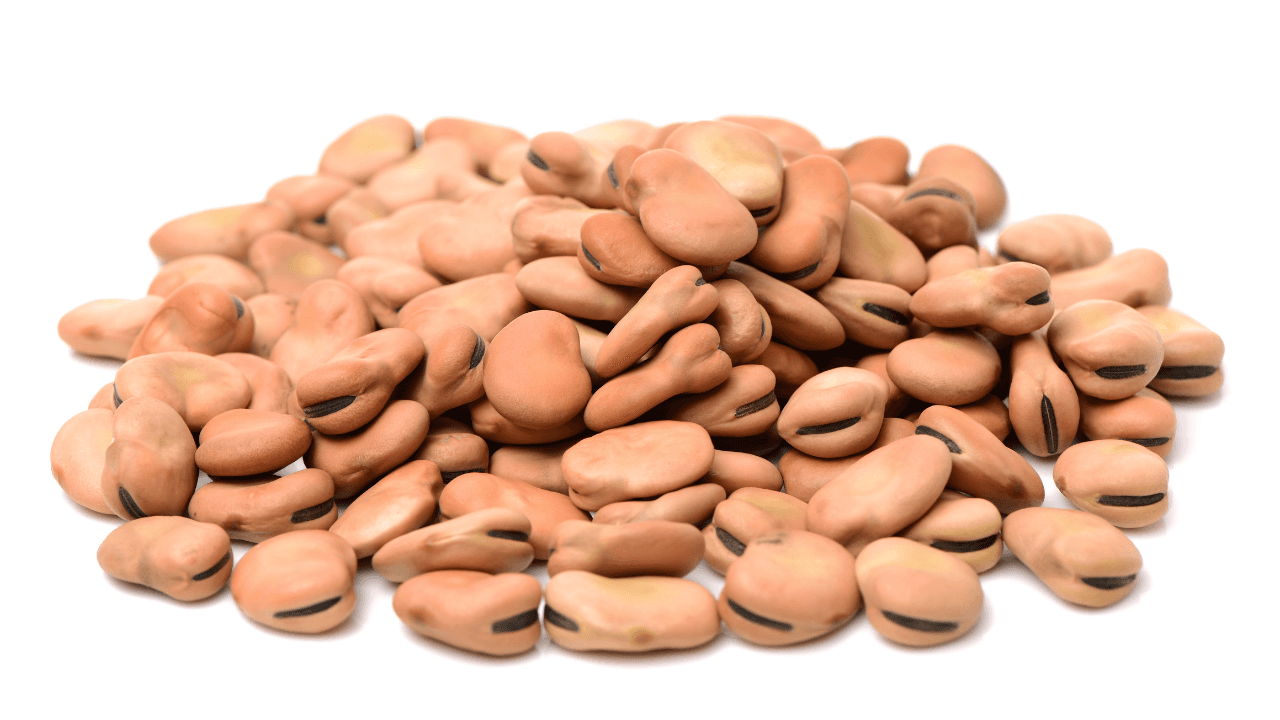
Beans to Avoid
Not all beans are equally beneficial for diabetics. Some have a higher glycemic index or are processed in a way that makes them less healthy. Here are some types of beans you should avoid or limit in your diet:
High Glycemic Beans
Some beans have a higher glycemic index, meaning they can raise your blood sugar more quickly. Examples include:
Fava beans
Broad beans
It’s important to monitor your blood sugar when eating these types of beans to ensure they don’t cause spikes.
Processed Beans
Many processed beans, such as refried beans or canned beans used in commercial bean dips, are often loaded with unhealthy ingredients like added fats, salt, and sugars. These additives can contribute to poor blood sugar control and other health issues.
Avoid: Refried beans with lard, commercial baked beans with sugar.
Better option: Make your own bean dip or refried beans using healthier ingredients.
Practical Tips for Eating Beans
To get the most out of beans in your diabetic meal plan, follow these tips:
Portion control: A typical serving size of beans is about ½ cup. While beans are healthy, they still contain carbohydrates, so it’s important to keep portions moderate.
Pair with vegetables: Balance your plate by pairing beans with non-starchy vegetables like leafy greens or broccoli to avoid spiking blood sugar.
Choose whole beans: Whenever possible, opt for whole, unprocessed beans over canned or processed varieties.
Use beans as a meat substitute: Replace red meat with beans in dishes like chili or soups to reduce fat intake and improve heart health.
Because blood sugar responses differ from person to person, these strategies work best when tested in real life. Monitoring how your glucose responds to different beans, portions, and meal pairings helps turn general advice into habits that actually work for you.
How CGM Helps You Test Which Beans Work for You
Continuous glucose monitoring (CGM) shows how your blood sugar responds after eating different types of beans. Heald uses CGM data to identify which beans keep glucose stable, which portions work best, and how meal timing or pairings affect your response—removing guesswork from diabetes-friendly eating.
How Heald Can Help You Manage Diabetes with a Bean-Rich Diet
At Heald, we believe in taking a personalized approach to diabetes management. Our Diabetes Reversal Program uses Continuous Glucose Monitoring (CGM) technology to track how different foods—like beans—affect your blood sugar in real time. By monitoring your glucose levels throughout the day, we can help you make better dietary choices and fine-tune your meal plan for optimal blood sugar control.
Our team of experts, including dietitians, behavior coaches, and fitness specialists, work together to create a personalized plan tailored to your unique needs. This holistic approach ensures that you’re not only managing your diabetes effectively but also working towards long-term health and possibly even diabetes reversal.
Ready to take control of your diabetes? Book a doctor’s appointment with Heald today to start your personalized reversal plan.