" height="18.000017931391177px" id="Ouh2pCOkH" transform="translate(0 0)" width="18.239999286530256px"/></g></svg>)

Heald Membership: Your Path to Diabetes Reversal

Table of content
Most diets fail. It’s not because the food lists are wrong, but because they ignore the most important factor: human behavior. Knowing you should eat more vegetables doesn’t automatically make it happen, especially when stress or old habits kick in. To truly take control of your metabolic health, you need more than just a list of approved foods. You need to understand the why behind your choices and build new routines that stick. This guide is different. We’ll cover the essentials of a diabetic meal plan to reverse type 2 diabetes, but we’ll also focus on creating sustainable habits that make healthy eating feel automatic, not like a constant struggle.
Key Takeaways
Focus on addition, not restriction: Instead of dwelling on foods to avoid, build your meals around nutrient-dense options. Intentionally filling your plate with non-starchy vegetables, lean protein, and healthy fats makes healthy eating feel abundant and satisfying.
Master meal timing and portion control: When and how much you eat are just as important as what you eat. Use simple strategies like the Plate Method and a consistent eating schedule to prevent blood sugar spikes and give your body the stability it needs to heal.
Support your diet with healthy lifestyle habits: Your nutritional efforts are amplified when paired with daily movement, quality sleep, and stress management. These habits directly improve how your body uses insulin, creating the foundation for sustainable reversal.
Can You Reverse Type 2 Diabetes with Diet?
Let's start with the big question. The short answer is yes—for many people, it is possible to put type 2 diabetes into remission through diet and lifestyle changes. But it's important to understand what "reversal" really means. It’s not a one-time cure, but rather a state of remission where your blood sugar levels return to a non-diabetic range without needing medication. The key isn't a single magic diet, but a consistent, holistic approach.
While what you eat is a huge piece of the puzzle, it doesn't work in isolation. True, sustainable change comes from a holistic approach that addresses your entire well-being. Think of it as a five-point plan: nutrition, physical activity, sleep, stress management, and, when necessary, medication. Research shows that combining personalized nutrition with structured exercise can stabilize blood sugar and improve how your body uses insulin. When you focus on the whole picture, you’re not just managing symptoms—you’re addressing the root causes of metabolic dysfunction. This comprehensive strategy is the foundation of a gold standard plan for taking back control of your health. It’s about creating new habits that stick, not just following a restrictive diet for a few weeks.
How Type 2 Diabetes Affects Your Body
So, what’s actually happening inside your body with type 2 diabetes? In simple terms, diabetes means your blood sugar (or glucose) levels are consistently too high. This happens because your body has trouble using insulin, the hormone responsible for moving sugar from your blood into your cells for energy. Over time, your cells become resistant to insulin’s signals. It’s like the key (insulin) is there, but the lock (your cells) isn’t working properly. As a result, sugar builds up in your bloodstream instead of fueling your body, which can lead to serious health issues if left unmanaged. Understanding this process is the first step to seeing why your food choices have such a direct impact.
The Link Between Your Plate and Your Blood Sugar
Every meal you eat directly influences your blood sugar. The carbohydrates in your food break down into glucose, which then enters your bloodstream. For someone with type 2 diabetes, managing this process is crucial. This is where a thoughtful diabetes meal plan becomes your most powerful tool. It’s not about deprivation; it’s about strategy. By planning your meals, you can ensure you’re getting the right balance of nutrients to keep your energy steady and your blood sugar stable. Simple techniques like counting carbohydrates or using the plate method can make this feel less overwhelming and help you build a healthy, satisfying relationship with food again.
Build Your Diabetes Reversal Meal Plan
Putting together a meal plan to reverse type 2 diabetes doesn't have to feel like a punishment. In fact, it’s not a restrictive “diet” at all—it’s simply a healthy eating plan designed to keep your blood sugar stable and your body nourished. The goal is to create a sustainable way of eating that you can stick with for the long haul, because consistency is what drives real change.
Think of it as building a framework for your meals. Instead of getting lost in complex rules, you can focus on three core principles: finding the right balance of macronutrients, eating at consistent times, and getting a handle on portion sizes. Mastering these fundamentals will help you create satisfying meals that work with your body, not against it. This approach puts you in control, allowing you to make smart, confident choices about the food you eat every day.
Find the Right Balance of Carbs, Protein, and Fat
A balanced plate is your best tool for managing blood sugar. The key is to include a mix of healthy carbohydrates, lean protein, and healthy fats in every meal. Healthy carbs—found in fruits, vegetables, and whole grains—provide essential energy, while protein and fat help you feel full and slow down how quickly sugar enters your bloodstream.
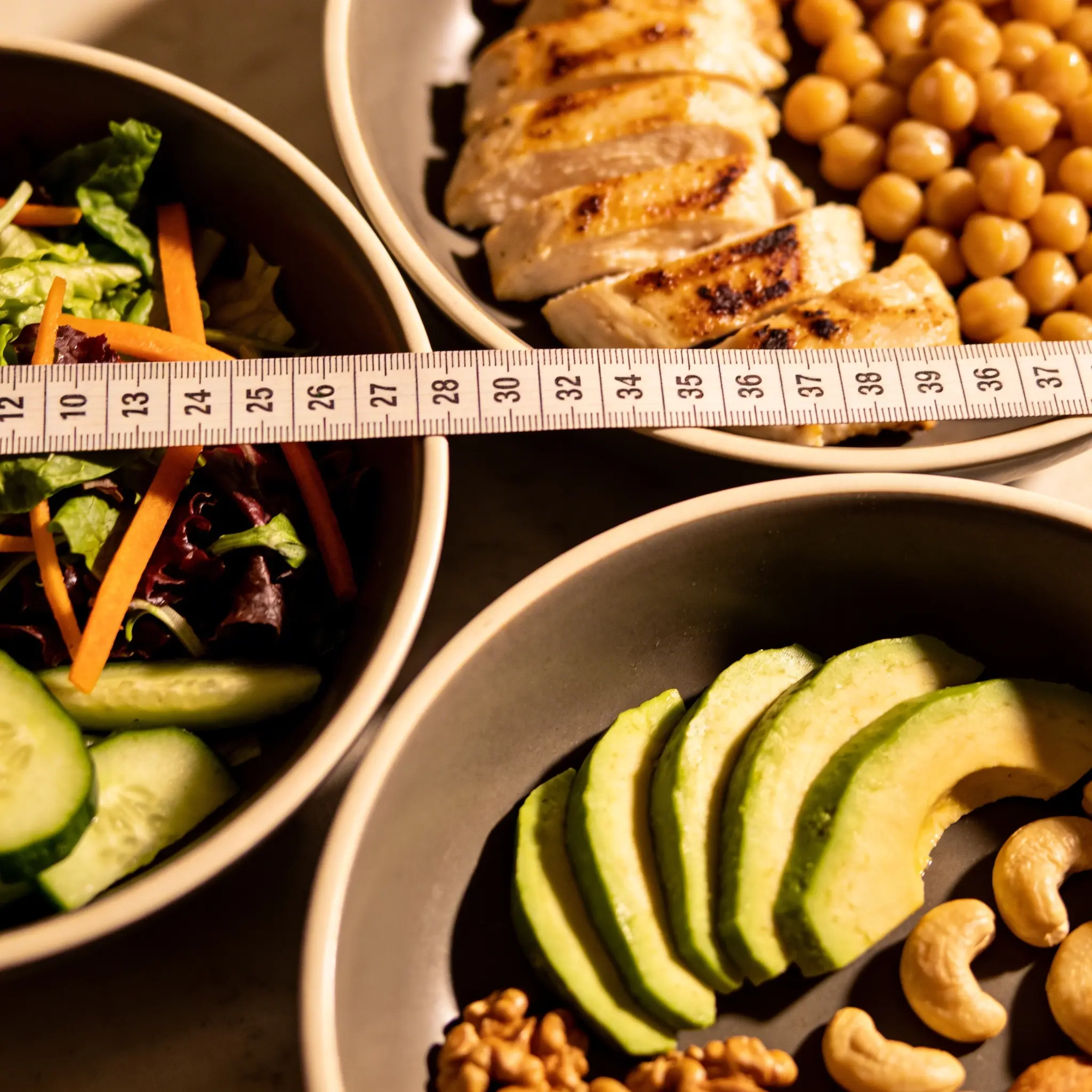
A simple way to get this right is to use the Plate Method. Picture your dinner plate: fill half of it with non-starchy vegetables (like broccoli, spinach, or bell peppers), one-quarter with a lean protein source (like chicken, fish, or beans), and the final quarter with a high-fiber carbohydrate (like quinoa, sweet potato, or whole-wheat pasta). This visual guide takes the guesswork out of building a balanced meal.
Why When You Eat Matters as Much as What You Eat
Consistency is a game-changer for blood sugar management. Eating your meals at regular, predictable times each day helps your body’s insulin work more effectively and prevents dramatic spikes and dips in your glucose levels. When your body knows when to expect food, it can prepare to process it efficiently. This is a core part of creating a healthy-eating plan that supports reversal.
Skipping meals can cause your blood sugar to drop too low, often leading to overeating later and a subsequent glucose spike. By establishing a simple and consistent eating schedule, you create a stable internal environment. This rhythm not only supports your metabolic health but also helps reduce the mental energy spent worrying about what and when to eat next.
Simple Strategies for Portion Control
Even the healthiest foods can impact your blood sugar if you eat too much at once. Restaurant portions are often two or three times larger than what you actually need, which can make managing your intake feel tricky. The good news is that you don’t need to carry measuring cups everywhere you go.
You can start with a few simple habits. When dining out, ask your server to box up half of your meal before it even gets to the table. At home, serve snacks in a small bowl instead of eating directly from the package. You can also use your hand as a guide: a serving of protein is about the size of your palm, a serving of carbs is about a cupped handful, and a serving of fats is about the size of your thumb.
Fill Your Plate: Foods That Help Reverse Diabetes
Thinking about what to eat when you have type 2 diabetes can feel overwhelming. It’s easy to get stuck on a long list of foods you can’t have. But what if we flipped the script? Building a meal that helps manage your blood sugar is less about restriction and more about intentionally adding the right foods to your plate. The goal isn’t to follow a perfect, rigid diet—it’s to create balanced, satisfying meals that work for your body, not against it.
A simple and effective way to approach this is with the plate method. Imagine your dinner plate divided into sections. This visual guide helps you get the right balance of nutrients without needing to weigh or measure every single thing. By focusing on filling your plate with whole, nutrient-dense foods, you give your body the tools it needs to improve insulin sensitivity and stabilize your energy levels. Let’s break down what goes into each section of your plate to create a powerful foundation for your health.
Make Non-Starchy Vegetables Your Foundation
Let’s start with the biggest section of your plate. Fill half of it with non-starchy vegetables. Think of colorful, fiber-rich options like leafy greens, broccoli, bell peppers, asparagus, and green beans. These vegetables are nutritional powerhouses—they’re packed with vitamins and minerals but are low in carbohydrates and calories. The high fiber content helps you feel full and satisfied after a meal, which can prevent overeating. More importantly, fiber slows down digestion, which helps prevent the sharp blood sugar spikes that can happen after eating. The CDC’s guide to diabetes meal planning emphasizes this as a core strategy for a reason—it’s a simple change that makes a huge impact.
Choose Lean Proteins to Stay Full and Stable
Next, dedicate one-quarter of your plate to lean protein. Protein is essential for repairing tissues, but it also plays a key role in blood sugar management. It helps you feel full for longer and can blunt the glucose response from the carbohydrates in your meal. This leads to more stable energy levels and fewer cravings between meals. Good sources of lean protein include grilled chicken or fish, beans, lentils, tofu, and eggs. By including a serving of protein with every meal, you’re creating a more balanced plate that supports both your muscles and your metabolism. A healthy-eating plan that includes consistent protein is key for managing hunger and glucose.
Add Healthy Fats to Support Your Cells
Fat has gotten a bad rap over the years, but the right kinds of fats are crucial for your health. Healthy fats, like the monounsaturated and polyunsaturated fats found in avocados, nuts, seeds, and olive oil, are your friends. They help your body absorb certain vitamins, support cell function, and can even help lower your bad cholesterol levels. Including a small portion of healthy fat with your meal adds flavor and contributes to that feeling of fullness, making your meals more satisfying. Instead of avoiding fat altogether, focus on incorporating these high-quality sources to support your overall health and make your food taste great.
Include Complex Carbs and Whole Grains Wisely
The final quarter of your plate is for carbohydrates—but not just any carbs. This is where you’ll place high-quality, complex carbohydrates like brown rice, quinoa, sweet potatoes, or a slice of whole-grain bread. Unlike refined carbs (like white bread or sugary snacks) that can cause your blood sugar to soar, whole grains are full of fiber. This fiber slows the release of sugar into your bloodstream, providing a steady stream of energy instead of a sudden spike and crash. The American Diabetes Association recommends this balanced approach because it allows you to enjoy carbohydrates in a way that supports stable blood sugar.
Foods to Limit for Better Blood Sugar Control
Knowing what to eat is only half the battle; understanding which foods can make your blood sugar harder to manage is just as important. This isn't about creating a long list of forbidden foods or feeling deprived. Instead, think of it as a strategic guide to making smart swaps. By limiting certain items, you clear the way for the nutrient-dense foods that will help you feel your best and support your body’s ability to heal. It’s about being intentional with your choices so you can get the results you’re looking for.
Sidestep Sugary Drinks and Refined Carbs
One of the most impactful changes you can make is to cut back on sugary drinks and refined carbohydrates. Things like soda, fruit juice, and sweet tea deliver a rapid flood of sugar into your bloodstream without any fiber to slow it down, causing a sharp spike in glucose. Similarly, refined grains found in white bread, white rice, and most pastas have been stripped of their fiber and nutrients. Your body digests them almost as quickly as pure sugar. A simple diabetes meal plan focuses on replacing these with whole-food alternatives. Try swapping that soda for sparkling water with a squeeze of lime or choosing whole-grain bread over white.
Understand the Hidden Dangers of Processed Foods
Highly processed foods often contain hidden sugars, unhealthy fats, and excessive sodium that can disrupt your blood sugar and overall health. These include everything from packaged snacks and frozen dinners to fast food. Consuming too many of these foods can contribute to consistently elevated blood sugar, which over time can lead to serious complications. A core part of a healthy diabetes diet involves prioritizing whole, unprocessed foods. This doesn’t mean you can never have a convenience meal again, but it does mean learning to read labels and choosing options with simple, recognizable ingredients whenever possible.
Know Which Foods Spike Your Blood Sugar
While refined carbs are a major culprit, it’s helpful to understand that all carbohydrates affect your blood sugar. The key is that they don’t all affect it in the same way or at the same speed. For example, the natural sugar in a whole apple is paired with fiber, which slows down digestion and leads to a more gradual rise in glucose. The sugar in apple juice, however, hits your system all at once. Learning how different foods impact you personally is crucial. This is where tracking your body’s response, perhaps with a continuous glucose monitor, can provide incredible insight, showing you exactly how your body handles a sweet potato versus a handful of crackers.
Master Portion Control and Meal Timing
You can have the healthiest ingredients in the world, but if your portions and meal times are all over the place, managing your blood sugar will feel like an uphill battle. Think of it this way: what you eat is the fuel, but how much and when you eat determines how efficiently your body can use it. Getting a handle on portion sizes and creating a simple eating schedule are two of the most effective changes you can make. These strategies take the guesswork out of eating and put you back in control of your body’s response to food, creating the stable environment needed for reversal. It’s not about rigid rules or deprivation; it’s about creating a rhythm that your body can rely on.
How Portion Size Affects Your Glucose Response
The amount of food you eat at one time directly impacts your blood sugar levels. A larger portion, especially of carbohydrate-rich foods, delivers a bigger dose of glucose into your bloodstream, forcing your body to work harder to manage it. By being mindful of portion sizes, you can provide your body with a steady, manageable stream of energy instead of a sudden flood. Planning balanced meals with consistent portion sizes helps you avoid the exhausting rollercoaster of blood sugar spikes and crashes. This consistency is key—eating roughly the same amount of carbs at each meal helps your body learn to anticipate and regulate your glucose levels more effectively, keeping you feeling stable and energized throughout the day.
Use the Plate Method for Effortless Balance
If you’re tired of counting, measuring, and tracking every bite, the plate method is for you. It’s a simple, visual way to build a perfectly balanced meal without any special tools. Start with a 9-inch plate. Fill half of it with non-starchy vegetables like leafy greens, broccoli, bell peppers, or green beans. Next, fill one-quarter of your plate with a lean protein source, such as grilled chicken, fish, tofu, or beans. The last quarter is for quality carbohydrate foods like quinoa, sweet potatoes, or fruit. The "Diabetes Plate" method is a brilliant framework because it builds portion control and nutrient balance right into your meal, making healthy eating feel natural and sustainable.
Create a Consistent and Simple Eating Schedule
Your body loves routine. When you eat at regular and predictable intervals, you help stabilize your hormones, metabolism, and blood sugar. Spacing your meals out by a few hours gives your blood sugar a chance to return to a stable level before you introduce more food. This prevents the constant spikes that can happen with frequent snacking or grazing. You don’t need a stopwatch or a rigid, to-the-minute schedule. The goal is simply to create a consistent pattern that works for your lifestyle. Whether it’s three main meals or smaller, more frequent ones, finding a rhythm helps your body function more efficiently and supports your metabolic health in the long run.
Go Beyond the Plate: Lifestyle Habits for Reversal
While what you eat is the cornerstone of reversing type 2 diabetes, it’s only one part of the picture. True, lasting change comes from a holistic approach that addresses how you live, not just how you eat. Think of your body as an interconnected system—your activity levels, sleep quality, and stress all have a direct and powerful impact on your blood sugar and insulin sensitivity. Ignoring them is like trying to fill a bucket with a hole in it; your dietary efforts will only get you so far.
Building healthy habits in these other areas supports your nutritional goals, making them easier to stick with and far more effective. When you move your body, get enough restorative sleep, and manage your stress, you create an internal environment that is primed for healing. This is where you move from simply managing your condition to truly taking control of your metabolic health. It’s about creating a lifestyle that works for you, not against you, paving the way for sustainable reversal.
Move Your Body to Improve Insulin Sensitivity
You don’t need to become a marathon runner to see a huge impact on your blood sugar. The goal is simply to make movement a consistent part of your day. When you’re active, your muscles use glucose for energy, which helps lower your blood sugar levels. More importantly, regular physical activity makes your body’s cells more sensitive to insulin, a key factor in managing diabetes. This means your body needs less of it to do its job effectively.
Start small and find something you genuinely enjoy. A brisk walk after dinner, a few simple strength exercises at home, or even dancing in your living room all count. The key is consistency. Aim for small pockets of movement throughout your day rather than one overwhelming gym session. This approach helps you build a sustainable habit that supports your metabolism for the long haul.
Prioritize Sleep for Better Blood Sugar
Sleep is not a luxury; it’s a metabolic necessity. When you don't get enough quality sleep, your body releases stress hormones like cortisol, which can raise blood sugar and promote insulin resistance. In fact, studies show that even one or two nights of poor rest can undermine your blood sugar control, as sleep deprivation is closely linked to insulin resistance. This means that all your hard work with your diet can be undermined by a lack of sleep.
Prioritizing 7-9 hours of quality sleep each night is one of the most effective things you can do for your blood sugar. To improve your rest, try creating a relaxing bedtime routine. Dim the lights, turn off screens an hour before bed, and make sure your bedroom is cool, dark, and quiet. Treating your sleep with the same importance as your diet is essential for successful diabetes reversal.
Manage Stress to Support Your Metabolism
Stress is an unavoidable part of life, but chronic, unmanaged stress can sabotage your health goals. When you’re stressed, your body goes into "fight-or-flight" mode, releasing hormones that tell your liver to dump more glucose into your bloodstream. This is helpful if you’re running from a threat, but when stress is constant, it leads to persistently high blood sugar levels. Learning to manage your response to chronic stress is critical.
You don’t need a complicated plan to get started. Simple practices like taking a few deep breaths, spending five minutes meditating, or going for a short walk can make a big difference. Finding healthy ways to cope calms your nervous system and helps regulate the hormones that influence your blood sugar, making your body more receptive to your healthy eating habits.
Stay on Track: How to Handle Common Challenges
Making significant changes to your diet is a process, not a one-time event. It’s completely normal to face challenges along the way. Life happens—you’ll have busy weeks, celebratory dinners, and days when you just don’t feel motivated. The key isn’t to be perfect, but to have a plan for when things get tough.
Instead of seeing a setback as a failure, think of it as a learning opportunity. What triggered the slip-up? What can you do differently next time? Building this resilience is just as important as knowing what to eat. It’s about creating a system that supports you through the ups and downs, which is a core part of making any lifestyle change stick. This section is all about giving you practical tools for those real-life moments. We’ll cover three of the biggest hurdles you might face: turning new behaviors into lasting habits, keeping your motivation high when it starts to fade, and managing social situations that are centered around food. Think of this as your playbook for consistency. With the right strategies, you can handle these moments with confidence and stay committed to your health goals without feeling deprived or overwhelmed.
Build Eating Habits That Actually Stick
The ultimate goal is to make healthy eating feel automatic, not like a constant battle of willpower. That’s where habits come in. Good habits reduce the mental energy it takes to make good choices day after day. One of the most effective ways to build a new routine is through a technique called habit stacking. This involves linking a new, desired behavior to an existing one you already do without thinking.
For example, if you already have a habit of making coffee every morning, you could stack a new habit on top of it: “After I start the coffee maker, I will drink a full glass of water.” Or, “Before I start cooking dinner, I will chop vegetables for a side salad.” This simple method uses your current routines as a trigger for new ones, making it much easier to create lasting habits that stick.
Find Your Motivation (and Keep It)
Motivation is what gets you started, but it’s not always what keeps you going. It naturally ebbs and flows, so you can’t rely on it alone. To maintain momentum, focus on setting small, realistic goals. Instead of aiming to overhaul your entire diet in one week, start with one simple change, like replacing soda with sparkling water. Achieving these small wins builds confidence and creates a positive feedback loop.
It also helps to have a strong support system. Share your goals with family or friends who will encourage you, or work with a dedicated care team that can provide expert guidance and accountability. Keeping a positive outlook and celebrating your progress—no matter how small—will help you stay motivated for the long haul.
Handle Social Events and Emotional Eating
Food is deeply tied to our social lives and emotions, which can make sticking to a meal plan tricky. For social gatherings, a little preparation goes a long way. Look at the menu online beforehand to find a healthy option, or eat a protein-rich snack before you go so you don’t arrive starving. Remember, the event is about connecting with people, not just about the food.
Emotional eating is another common hurdle. When you feel stressed, sad, or bored, it can be tempting to reach for comfort food. Instead, try to find non-food-related coping strategies. A short walk, a quick call with a friend, or a few minutes of deep breathing can often provide the same sense of relief. The goal is progress, not perfection.
Your Next Step: A Meal Plan That Works for You
Putting all this information into practice can feel like the hardest part, but it doesn’t have to be. A successful meal plan isn’t about restriction or following a rigid set of rules. It’s about creating a sustainable way of eating that fits your life, supports your health goals, and makes you feel good. The key is to build a plan that is uniquely yours—one that considers your body, your tastes, and your daily routine. By defining your needs, leaning on expert support, and using real-time data to see what’s working, you can create a powerful tool for reversing type 2 diabetes.
Define Your Personal Dietary Needs and Preferences
The most effective meal plan is one you can actually stick with long-term. That’s why it’s so important to start with you. A plan that works for someone else might not fit your goals, tastes, or lifestyle. Think about the healthy foods you genuinely enjoy, your cultural background, and your daily schedule. Consistency is key, as eating at regular times helps your body use insulin more effectively. Your meal plan should be a flexible framework that honors your personal preferences while helping you keep your blood sugar levels steady and predictable.
Why You Don’t Have to Do It Alone
Figuring out the right balance of nutrients and creating a personalized plan can feel overwhelming, but you don’t have to do it by yourself. Working with a dedicated care team—like a doctor, registered dietitian, or certified diabetes educator—can make all the difference. These professionals can help you create a personalized meal plan that aligns with your health needs and medication schedule. The American Diabetes Association recommends collaborating with your healthcare team to find the best eating pattern for you. This expert guidance provides a clear roadmap and the confidence to know you’re making the right choices.
Use Real-Time Data to See What’s Working
Your body gives you constant feedback, and learning to listen to it is a game-changer. Tools like a continuous glucose monitor (CGM) allow you to see exactly how your body responds to different foods in real time. This data takes the guesswork out of eating. You can see which meals keep your blood sugar stable and which ones cause a spike, allowing you to adjust your plan accordingly. This immediate feedback loop helps you build new, healthier habits that become automatic. It makes strategies like counting carbohydrates less of an abstract task and more of a personalized science.
Related Articles
Frequently Asked Questions
Is this just another strict diet I'm going to fail? Not at all. The goal is to move away from the idea of a restrictive "diet" and toward creating a sustainable, healthy eating plan that you can stick with for life. It’s less about a long list of forbidden foods and more about intentionally adding nutrient-rich foods to your plate. The most effective plan is one that is built around your personal preferences and lifestyle, making it feel natural rather than like a punishment.
Do I have to cut out all carbohydrates to reverse diabetes? Absolutely not. This is one of the biggest myths out there. Your body needs carbohydrates for energy, but the key is choosing the right kind. The focus is on limiting refined carbs like white bread and sugar, and instead choosing complex, high-fiber carbohydrates like vegetables, whole grains, and beans. These break down slowly, giving you steady energy without the dramatic blood sugar spikes.
Why is everyone suddenly talking about sleep and stress for diabetes? I thought it was just about food. While food is a huge factor, your body is an interconnected system. When you're chronically stressed or sleep-deprived, your body releases hormones like cortisol that can directly raise your blood sugar levels. This can undermine even the most perfect eating plan. Managing stress and prioritizing sleep helps create a stable internal environment, making your body more receptive to the healthy changes you're making with your diet.
What happens if I have a bad day and eat something I'm not supposed to? One off-plan meal or even one off-plan day does not erase all of your progress. The most important thing is to avoid an all-or-nothing mindset. Instead of feeling guilty, treat it as a learning moment and simply get back on track with your next meal. Consistency over time is what drives results, not perfection every single day.
How do I know which specific healthy foods are right for me? This is a great question because everyone's body responds to food a little differently. General guidelines like the plate method are a fantastic starting point for everyone. However, to truly personalize your plan, paying attention to your body's unique feedback is key. This is where tools like a continuous glucose monitor (CGM) can be incredibly helpful, showing you in real-time how your blood sugar reacts to a specific meal and helping you fine-tune your choices.

Sandeep Misra is the Co-Founder and Chief Growth Officer at Heald, where he leads growth strategy and partnerships for data-driven programs focused on diabetes reversal and metabolic health. He brings over two decades of experience across healthcare technology, population health, and enterprise partnerships, having held senior leadership roles at AWS, Rackspace, and NTT Data.
Popular Blogs





Comments
