" height="18.000017931391177px" id="Ouh2pCOkH" transform="translate(0 0)" width="18.239999286530256px"/></g></svg>)

Get practical tips on how to reverse prediabetes naturally in 30 days with simple food, exercise, and lifestyle changes you can start using right away.
Heald Membership: Your Path to Diabetes Reversal

Table of content
If you’ve tried to get healthy before, you know that most diet and exercise plans fail to create lasting change. That’s because they only address the what—the food you eat, the workouts you do. They completely ignore the why behind your habits: the stress, emotions, and routines that truly drive your choices. This plan is different. To learn how to reverse prediabetes naturally in 30 days, we have to look at the whole picture. We’ll help you pinpoint your emotional triggers and build a new toolkit of healthy coping skills, turning this journey into a sustainable lifestyle change, not just another temporary diet.
Key Takeaways
Prioritize whole foods and daily movement: Build your meals using the plate method—half non-starchy veggies, a quarter lean protein, and a quarter complex carbs—and aim for consistent, moderate exercise to help your body use insulin more effectively.
Look beyond the food to your emotional triggers: Sustainable change comes from understanding why you eat. By identifying whether stress, boredom, or habit is driving your choices, you can develop healthier ways to cope with those feelings.
Focus on consistency over intensity for long-term success: Small, sustainable habits are more powerful than an all-or-nothing approach that leads to burnout. Aim for steady progress by setting realistic goals you can stick with, because that's what creates lasting results.
What Is Prediabetes (And Why It's Reversible)
Getting a prediabetes diagnosis can feel unsettling, but I want you to think of it as a crucial heads-up from your body. It’s a sign that your blood sugar levels are higher than normal, but not yet in the range for type 2 diabetes. Essentially, your body isn't using insulin as efficiently as it should be, a condition often called insulin resistance. This is your body’s way of telling you that it’s time to pay closer attention and make some changes before things become more serious.
The most important thing to know is that a prediabetes diagnosis is not a life sentence. It doesn’t mean you’re destined to develop type 2 diabetes. In fact, it’s quite the opposite. This is your window of opportunity to turn things around. With the right lifestyle and dietary adjustments, you can absolutely reverse this condition and bring your blood sugar back to a healthy range. It’s about understanding what’s happening inside your body and taking deliberate, sustainable steps to support your long-term health. This isn’t about a quick fix; it’s about building healthier habits that last. Seeing this diagnosis as a motivator empowers you to take control of your health journey, starting today.
What Your Blood Sugar Levels Mean
So, how do you know if you have prediabetes? It’s identified through a simple blood test ordered by your doctor. There are two common tests they might use. The first is a Fasting Plasma Glucose (FPG) test, where a result between 100 and 125 mg/dL points to prediabetes. The second is the A1C test, which gives an average of your blood sugar over the past few months. An A1C test result between 5.7% and 6.4% is the key indicator for prediabetes. These numbers are simply data points that give you a clear picture of where your metabolic health stands, providing a baseline you can work to improve.
The Health Risks of Doing Nothing
While prediabetes is reversible, ignoring it can lead to serious consequences. If left unaddressed, it often progresses to type 2 diabetes. This significantly increases your risk for other chronic conditions that can impact your quality of life. We’re talking about major health issues like heart disease, stroke, kidney failure, nerve damage, and even vision loss. Taking action now isn’t just about lowering a number on a lab report; it’s about protecting your future health and well-being. Think of this as preventative care for your entire body, safeguarding you from serious health complications down the road.
Your 30-Day Food Plan to Reverse Prediabetes
Changing how you eat can feel like the biggest hurdle, but it doesn’t have to be about restriction or complicated rules. Think of this as an upgrade. The goal is to fill your diet with delicious, powerful foods that work for your body, not against it. Over the next 30 days, we’ll focus on simple, sustainable shifts that help stabilize your blood sugar, increase your energy, and put you back in control of your health. This isn’t a crash diet; it’s the foundation for a new way of eating that you can actually stick with for the long haul. Let’s get started.
Foods to Add to Your Plate
Let’s begin with what you can add to your meals. Focusing on inclusion rather than elimination makes healthy eating feel abundant, not restrictive. Prioritize foods rich in fiber, lean protein, and healthy fats. These are the cornerstones of a blood-sugar-friendly diet because they digest slowly, preventing sharp spikes and keeping you feeling full and satisfied. Think vibrant, non-starchy vegetables like broccoli and bell peppers, lean proteins like chicken and fish, and healthy fats from sources like avocados and olive oil. Fiber-rich foods, in particular, are your best friend—they slow down sugar absorption and feed the good bacteria in your gut. Start by adding one of these to every meal.
Foods to Limit or Avoid
Now, let’s talk about what to scale back on. The main culprits behind blood sugar spikes are sugary beverages and refined carbohydrates. These foods are stripped of their natural fiber, so your body absorbs their sugar almost instantly. This includes things like soda, sweet tea, fruit juice, white bread, white rice, and most packaged pastries and snacks. You don’t have to banish them forever, but limiting them is key. Start by making simple swaps: trade your soda for sparkling water with a squeeze of lemon, or choose whole-wheat bread instead of white. These small changes reduce the quick blood sugar spikes that contribute to insulin resistance over time.
Build Your Plate for Better Blood Sugar
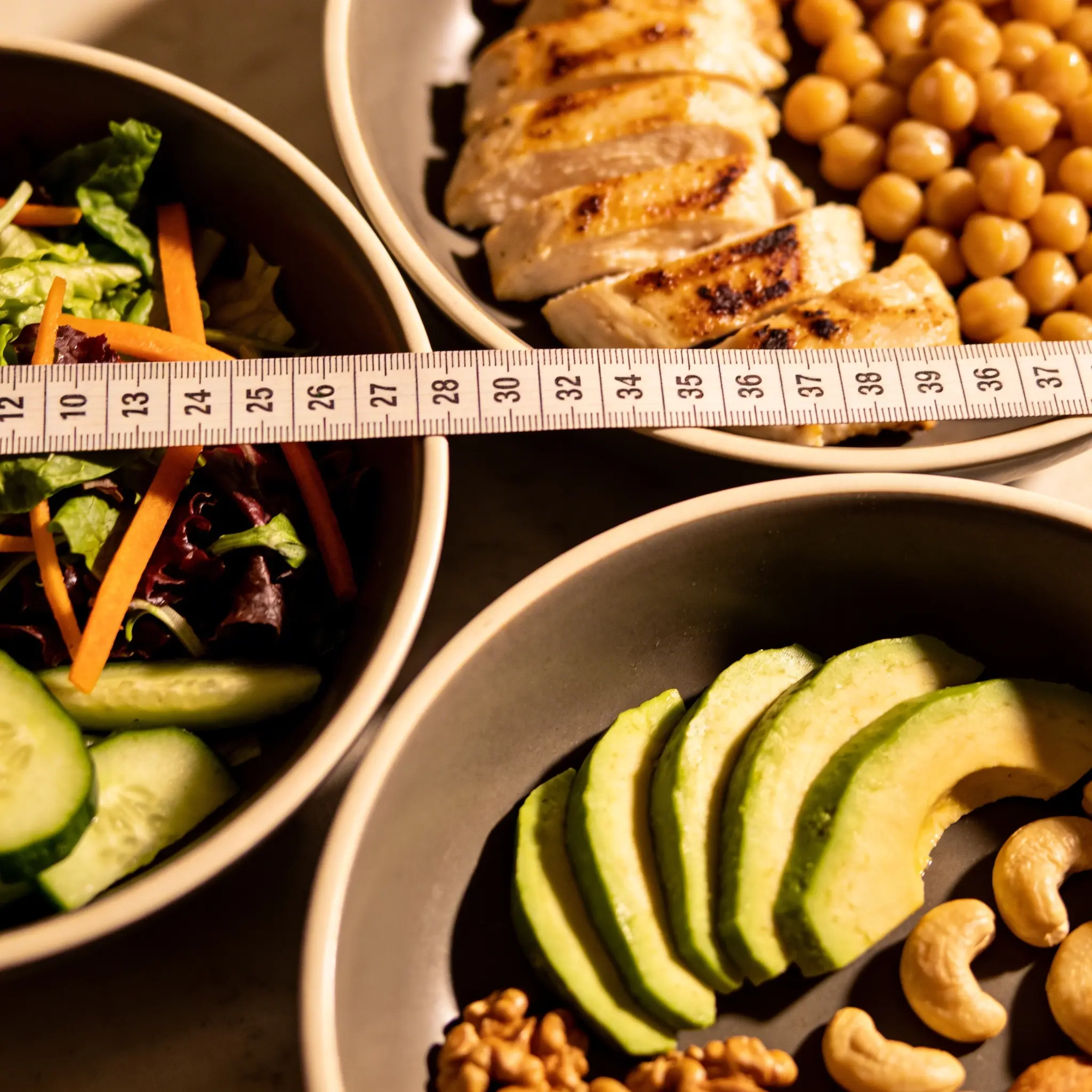
One of the easiest ways to build a balanced meal without counting calories is using the Diabetes Plate Method. It’s a simple visual guide to portion control. Imagine your dinner plate divided into sections. Fill half of your plate with non-starchy vegetables—think spinach, asparagus, tomatoes, or mushrooms. They’re packed with nutrients and fiber but low in carbs. Fill one-quarter of your plate with a lean protein source, like grilled chicken, salmon, or lentils. Finally, fill the last quarter with a complex carbohydrate, such as quinoa, brown rice, or a small sweet potato. This meal planning strategy ensures you get a healthy balance of macronutrients to keep your blood sugar stable and your energy levels consistent.
Why Meal Timing and Portions Matter
When and how much you eat is just as important as what you eat. Your body thrives on consistency. Eating meals at roughly the same time each day can help regulate your blood sugar levels more effectively. This doesn’t mean you need a rigid, to-the-minute schedule, but avoiding long gaps between meals or eating a very large meal late at night can make a big difference. Portion control is also crucial, but it doesn’t have to be complicated. Using the plate method is a great start. Remember, even a modest weight loss of 5% to 10% can significantly improve your blood sugar. Pay attention to your body’s hunger and fullness cues—eat when you’re hungry and stop when you’re satisfied, not stuffed.
Move Your Body: Your 30-Day Exercise Guide
If changing your diet is one side of the coin for reversing prediabetes, moving your body is the other. Exercise is one of the most powerful tools you have for managing blood sugar. When you’re active, your muscles use more glucose, which helps lower your blood sugar levels. It also makes your body’s cells more sensitive to insulin, meaning they can use it more effectively.
But let’s be clear: this isn’t about grueling, hours-long gym sessions (unless that’s your thing!). It’s about finding movement you enjoy and building a consistent routine that feels good for your body and mind. Over the next 30 days, your goal is to establish a positive relationship with physical activity that you can carry forward for life.
The Best Workouts for Prediabetes
The best workout is the one you’ll actually do, but some types of movement are particularly effective for blood sugar control. Aim for at least 30 minutes of moderate-intensity aerobic exercise most days of the week. Think of activities that get your heart rate up but still allow you to hold a conversation. Great options include brisk walking, cycling, swimming, or even a lively dance session in your living room.
Don’t forget to mix in strength training two to three times a week. Building muscle gives your body more places to store glucose, which is a huge win for your metabolic health. You don’t need a gym membership; bodyweight exercises like squats, lunges, and push-ups are incredibly effective. The key is to find a physical activity you genuinely look forward to.
Create an Exercise Routine You'll Stick With
Consistency trumps intensity every time, especially when you’re just starting. If the idea of 30 minutes feels overwhelming, begin with just 15-20 minutes a day and gradually increase the time as you get stronger. The most important step is to build a sustainable routine. Schedule your workouts in your calendar just like any other important appointment.
To make the habit stick, try pairing it with something you already do, like taking a walk right after dinner. And remember, perfection isn’t the goal. If you miss a day, don’t let it derail your whole week. Just get back to it the next day. Finding an accountability partner or joining a group class can also provide the motivation you need to keep going.
How to Weave More Movement into Your Day
Formal workouts are great, but the movement you get throughout the day adds up, too. Think about ways you can incorporate more activity into your existing schedule. Could you take the stairs instead of the elevator? Park a little farther from the entrance at the grocery store? Or maybe do some calf raises while you wait for your morning coffee to brew?
These small bursts of activity, sometimes called "exercise snacks," can make a real difference in your energy levels and blood sugar. Set a reminder to get up and stretch or walk around for a few minutes every hour, especially if you work at a desk. Activities like gardening, cleaning the house, or playing with your kids or pets all count. The goal is to simply sit less and move more in whatever way feels natural to you.
Beyond Food and Fitness: Key Lifestyle Habits
While what you eat and how you move are the cornerstones of reversing prediabetes, they aren't the whole story. Your daily habits around stress, sleep, and even your social circle have a powerful impact on your metabolic health. Think of these as the supporting pillars that hold up your food and fitness efforts, making them stronger and more sustainable. Let's look at a few key lifestyle changes that can make a huge difference in getting your health back on track.
Manage Stress to Manage Blood Sugar
When you’re stressed, your body releases cortisol, a hormone that can raise your blood sugar levels. Over time, chronic stress can make it much harder to keep your numbers in a healthy range. Stress is also a major driver of unhealthy eating patterns, which can create a frustrating cycle. Learning to manage stress is not about avoiding it, but about building a toolkit of healthy responses. You could try simple mindfulness exercises, deep breathing techniques for a few minutes each day, or just taking a walk outside to clear your head. Finding what works for you is key to breaking the link between a tough day and a blood sugar spike.
How Better Sleep Improves Your Metabolism
A good night's sleep is non-negotiable for metabolic health. When you're sleep-deprived, your body's ability to use insulin effectively can decrease. Plus, not sleeping enough can mess with hormones that control hunger and blood sugar, making you crave high-carb, sugary foods. To improve your sleep, start by creating a consistent routine. Try to go to bed and wake up around the same time every day, even on weekends. Make your bedroom a sanctuary for rest—cool, dark, and quiet. A relaxing pre-bed ritual, like reading a book or taking a warm bath, can also signal to your body that it’s time to wind down.
Build a Support System for Success
Making lasting changes is so much easier when you have people in your corner. Whether it’s your family, a close friend, or a professional health coach, a strong support system provides encouragement and accountability. Don't be afraid to share your goals with the people you trust. You can partner up to shop for groceries, cook healthier meals, or start exercising together. This shared experience can make the process more enjoyable and less isolating. Having someone to celebrate your wins with—and to lean on when you face a challenge—can be the difference between a temporary fix and a permanent lifestyle shift.
The Simple Power of Staying Hydrated
It might sound basic, but drinking enough water is a simple yet powerful tool for managing blood sugar. Proper hydration helps your kidneys flush out excess glucose through urine. Plus, water helps control blood sugar levels and is a much healthier choice than sugary sodas and fruit juices. Swapping just one sugary drink a day for a glass of water can have a significant impact. To make it a habit, carry a reusable water bottle with you everywhere. If you find plain water boring, try infusing it with lemon, cucumber, or mint for a refreshing, calorie-free flavor.
Address the "Why": How to Handle Emotional Triggers
Changing your diet and exercise habits is a huge accomplishment, but it’s only part of the picture. To make these changes last, we have to look at the why behind our choices. So often, we eat not because we’re hungry, but because we’re stressed, bored, sad, or even celebrating. Understanding these emotional drivers is the key to building a truly sustainable, healthy lifestyle. When you can identify your triggers and create a plan to handle them, you take back control from food and put yourself in the driver’s seat of your health journey.
Pinpoint Your Stress-Eating Patterns
Have you ever found yourself reaching for a cookie after a tough meeting or grabbing a bag of chips when you’re on a tight deadline? That’s a stress-eating pattern. Stress is a major driver of unhealthy eating, often pushing us toward high-sugar, high-fat comfort foods that mess with our blood sugar. The first step is to become aware of your personal patterns. For a few days, try keeping a simple log. When you eat, jot down what you ate and how you were feeling. This isn’t about judgment; it’s about gathering data. You might notice you always crave sweets in the afternoon when work gets overwhelming. Recognizing these connections between stress and eating is the first step to changing the response.
Find Healthy Ways to Cope with Tough Emotions
Once you know your triggers, you can build a new toolkit for handling them. Emotional eating is a common coping mechanism, but it’s not the only one available. The goal is to find healthy, non-food-related ways to process your feelings. Feeling anxious? Instead of heading to the pantry, try five minutes of deep breathing. Frustrated after a long day? Put on your favorite playlist and go for a brisk walk around the block. Feeling lonely? Call a friend to chat. Creating a go-to list of these alternative behaviors gives you a concrete action plan for when tough emotions strike. You’re not just stopping a habit; you’re starting a new, healthier one.
Handle Social Events and Food Temptations
Parties, family dinners, and restaurant outings can feel like minefields when you’re focused on your health. A little preparation can make all the difference. Before you go, have a small, protein-rich snack to curb your hunger. At the event, scan the options and decide what you’ll eat ahead of time, prioritizing veggies and lean proteins. It also helps to have a supportive friend on your side. Let them know your goals so they can help you stay on track. You can even partner up with someone to cook healthier meals or exercise together. Remember, social events are about connection, so focus on the conversations, not just the food.
How to Track Your Progress and Stay Accountable
Staying accountable is about celebrating your wins and learning from your setbacks. It’s not about perfection. When you successfully use a new coping skill instead of stress-eating, acknowledge it! This positive reinforcement helps solidify your new habits. You can use a journal, an app, or simply tell a supportive friend about your progress. This kind of skills-based support is proven to help create sustainable lifestyle changes. Having a system in place—whether it’s a weekly check-in with a partner or working with a health coach—provides the structure and encouragement you need to keep moving forward, one healthy choice at a time.
Can You Really Reverse Prediabetes in 30 Days?
Let’s get straight to it: A 30-day plan is a powerful way to kickstart your journey, but it’s not a magic wand. While some people might see their blood sugar levels return to the normal range within a month, for many, it’s the first major step toward lasting change. Think of these 30 days as your foundation. It’s enough time to build healthy habits, see significant improvements in your energy and blood sugar readings, and prove to yourself that you have the power to change your health. You'll learn how your body responds to different foods and activities, which is invaluable information for the road ahead.
The real goal is to use this month to create a new normal. While you can make incredible progress, the key is to turn these actions into a sustainable lifestyle. The most effective interventions for reversing prediabetes are the ones you can stick with long after the first month is over. This plan is designed to help you do exactly that—not just for 30 days, but for good. It's about shifting your mindset from a temporary diet to a permanent way of living that supports your metabolic health.
Set Realistic Goals for Your Blood Sugar
Instead of aiming for a complete reversal overnight, focus on small, consistent wins that add up. A great starting point is to aim for a modest weight loss of 5% to 10% of your current body weight. For a 200-pound person, that’s just 10 to 20 pounds. This achievable goal can have a massive impact on your insulin sensitivity and overall blood sugar control.
On the fitness front, aim for at least 30 minutes of moderate exercise, like a brisk walk or bike ride, on most days of the week. You don’t need to run a marathon. The goal is simply to get your body moving and your heart rate up consistently. These tangible targets are much more motivating than a vague goal of "getting healthy," and they deliver real, measurable results.
Why Everyone's Timeline Is Different
Your health journey is uniquely yours, and so is your timeline for reversing prediabetes. Factors like your starting A1C level, genetics, how consistently you follow your plan, and how your body responds to dietary changes all play a role. There is no one-size-fits-all answer, which is why personalized plans are so much more effective than generic advice.
What works wonders for one person might need tweaking for another. The most important thing is to focus on your own progress without comparing it to someone else’s. Celebrate your personal wins, whether it’s a lower blood sugar reading or simply sticking to your new routine for a week straight. Patience and consistency are your best friends here. Remember, this is about progress, not perfection.
Tools to Help You Track Your Progress
You can’t manage what you don’t measure. Tracking your progress is essential for staying motivated and understanding how your new habits are affecting your body. Keeping a simple log of your food, exercise, and daily blood sugar readings can reveal powerful patterns. You’ll start to see exactly how that morning walk or that balanced lunch impacts your glucose levels.
For even more detailed insights, a continuous glucose monitor (CGM) can be a game-changer, showing you in real-time how your body responds to different foods and activities. Using a personalized lifestyle program or an app to log your data can help you connect the dots and make smarter choices. Seeing the numbers improve is one of the best ways to stay accountable and committed to your long-term health.
Putting It All Together: Your 30-Day Roadmap
Ready to turn knowledge into action? This 30-day plan breaks down the process into manageable weekly goals. Think of it not as a rigid set of rules, but as a framework for discovering what works for your body. The goal here is progress, not perfection. Each small change you make is a step toward reclaiming your health and building habits that last a lifetime. Let’s get started.
Week 1: Build Your Foundation
Your first week is all about creating a solid base for the changes to come. The single most impactful thing you can do is focus on what you’re drinking and eating. Start by swapping sugary drinks like soda and juice for water, sparkling water, or unsweetened tea. Next, turn your attention to refined carbohydrates—things like white bread, pastries, and processed snacks. Replace them with whole foods that are packed with nutrients. Fill your plate with non-starchy vegetables, fruits, beans, and whole grains like quinoa and oats. Including lean proteins and healthy fats will help you feel full and slow the absorption of sugar into your bloodstream. For movement, aim for 30 minutes of moderate activity, like a brisk walk, at least five days this week.
Weeks 2-3: Step It Up and Track Your Wins
With your foundation in place, it’s time to build momentum. During these two weeks, continue your healthy eating and exercise habits. Many people find that even a modest amount of weight loss—around 5% to 10% of your starting body weight—can dramatically improve blood sugar levels and insulin sensitivity. This is also the perfect time to start tracking your progress. Monitoring your blood sugar gives you real-time feedback on how your body is responding to your new routine. You’ll start to see which foods and activities have the most positive impact, turning this process into a personalized experiment. This data isn’t about judgment; it’s about empowerment, helping you make informed choices day by day.
Week 4: Refine Your Routine for the Long Haul
In the final week, the focus shifts to sustainability. You’ve proven you can make these changes for a month—now, how do you make them last a lifetime? Use this week to refine your approach. What challenges came up? What meals did you enjoy most? True reversal and long-term management of prediabetes depend on making these habits feel like second nature. This is also a great time to seek expert guidance. Working with a registered dietitian or a certified health coach can help you create a personalized eating plan that fits your lifestyle and preferences. Remember, consistency is what creates lasting change. Keep showing up for yourself, and these healthy habits will become your new normal.
Common Roadblocks (And How to Get Around Them)
Making big changes to your daily routine is bound to come with a few challenges. It’s completely normal to hit a snag or feel like you’ve taken a step back. The key isn’t to be perfect, but to anticipate these common roadblocks and have a plan for getting around them. When you know what to look out for, you can stay on track without letting a minor setback derail your progress. Think of these as opportunities to learn more about what works for you.
Food Traps to Watch Out For
Let's be honest: life gets stressful. A tough day at work, a disagreement with a partner, or just feeling overwhelmed can send us straight to the kitchen for comfort. This is often called emotional eating, and it’s a powerful trigger for many of us. It’s not a matter of willpower; it’s a coping mechanism. The first step to getting around this food trap is awareness. Start noticing when and why you’re reaching for snacks. Are you actually hungry, or are you feeling bored, anxious, or sad? Simply pausing to ask yourself that question can help you understand your patterns and begin to separate your emotions from your food choices.
Common Missteps with Exercise and Lifestyle
When you’re motivated to make a change, it’s tempting to go all-in with intense, daily workouts. But this "all-or-nothing" approach often leads to burnout or injury, causing you to stop altogether. Remember, research consistently shows that lifestyle modification is the most effective path to reversing prediabetes—and that means finding a routine you can stick with for the long haul. Instead of aiming for perfection, focus on consistency. A 20-minute walk every day is far more impactful than one grueling gym session a week. The goal is to build sustainable habits that reduce your health risks over time, not to win a short-term fitness challenge.
Why You Can't Ignore the Mental Side of Health
You can have the perfect meal plan and workout schedule, but if you don't address the "why" behind your habits, making lasting changes will be tough. Your mindset is the foundation of your success. It comes down to something psychologists call self-efficacy—your belief in your own ability to succeed. If you’ve tried and failed to get healthy in the past, your confidence might be low. That’s why it’s so important to work on your mental and emotional patterns, not just your physical ones. Understanding your triggers and building skills to manage them is what turns a 30-day plan into a lifelong transformation.
Related Articles
Frequently Asked Questions
What if I have a bad day and get off track with my plan? First, take a deep breath. One off-plan meal or a missed workout doesn't erase all your progress. The goal isn't perfection; it's consistency over time. Instead of getting discouraged, get curious. Ask yourself what led to the slip-up. Were you stressed, unprepared, or in a tricky social situation? Acknowledging the trigger is the first step to creating a better plan for next time. Simply get back to your routine with your very next meal or the next day. This journey is about building resilience, not a flawless record.
Do I have to completely give up carbs and sugar forever? Not at all. A sustainable lifestyle isn't about permanent deprivation. The goal is to shift your focus from refined, processed carbohydrates and added sugars to more complex, fiber-rich sources. Think sweet potatoes instead of french fries, or whole-wheat bread instead of white. These foods digest more slowly and have less of an impact on your blood sugar. You'll learn how to incorporate your favorite treats in a way that doesn't derail your health, making them an intentional indulgence rather than a daily habit.
Is walking really enough exercise to make a difference? Absolutely. You don't need to run a marathon or spend hours in the gym to see significant health benefits. Brisk walking is a fantastic form of moderate-intensity exercise that gets your heart rate up, helps your body use insulin more effectively, and is easy on your joints. The most effective workout is the one you can do consistently, and walking is one of the most accessible and sustainable activities you can choose.
My blood sugar seems to spike even when I eat "healthy" foods. What's going on? This is a great question, and it highlights why a personalized approach is so important. Everyone's body responds to food differently. A "healthy" food for one person, like a banana or oatmeal, might still cause a blood sugar spike in another, especially depending on the portion size and what you eat with it. This is where tracking your levels can be so insightful. It helps you learn your unique patterns and see how combining carbs with protein, fat, and fiber can help stabilize your response.
Besides diet and exercise, what's the most important change I can make? If I had to pick one, it would be prioritizing sleep. A lack of quality sleep can immediately make your body more resistant to insulin and increase cravings for sugary, high-carb foods the next day. It creates a hormonal cascade that works directly against your efforts with food and fitness. Creating a consistent, relaxing bedtime routine is one of the most powerful things you can do to support your metabolism and make all your other healthy habits more effective.

Sandeep Misra is the Co-Founder and Chief Growth Officer at Heald, where he leads growth strategy and partnerships for data-driven programs focused on diabetes reversal and metabolic health. He brings over two decades of experience across healthcare technology, population health, and enterprise partnerships, having held senior leadership roles at AWS, Rackspace, and NTT Data.
Popular Blogs




Comments
