Summary
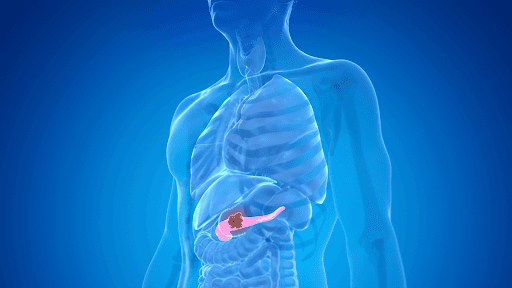
Diabetes is a chronic condition in which the body can't properly process glucose (blood sugar), causing it to build up in the bloodstream.
Insulin normally acts as the key that lets glucose into cells for energy; when insulin is lacking or the body becomes resistant to it, blood sugar stays elevated.
The main types are Type 1 (an autoimmune condition), Type 2 (the most common, linked to lifestyle and genetics), gestational diabetes (during pregnancy), and prediabetes (elevated but not yet diabetic blood sugar).
Tests such as the fasting plasma glucose test, oral glucose tolerance test, and A1C test are used to diagnose diabetes, and early detection helps reduce the risk of long-term complications.
Have you ever wondered what diabetes actually is? Beyond all the buzzwords and complicated medical jargon, diabetes is a health condition that affects how your body manages blood sugar, or glucose. And given that around 607 million people are affected worldwide, it’s worth taking a closer look. Let’s dive into the basics, explore what happens with blood sugar and insulin, and uncover the types, symptoms, and importance of diabetes awareness!
What is Diabetes? Key Facts and Overview
In simple terms, diabetes is a chronic condition where the body can’t properly process glucose, leading to high blood sugar levels. But why does this happen? It’s all about insulin—the hormone that acts as the “key” to unlock cells so glucose can get inside and provide energy.
Insulin's Job: Without insulin doing its job, sugar builds up in your bloodstream, and cells miss out on the energy they need.
The Impact: Over time, high blood sugar can damage organs, nerves, and blood vessels, leading to serious health issues.
Understanding Blood Sugar and Insulin
To really get diabetes, you need to understand blood sugar and insulin. Blood sugar, or glucose, is the body’s main source of energy, derived from food (especially carbs). When you eat, glucose levels rise, and your pancreas releases insulin to regulate this surge. If insulin can’t do its job effectively, glucose levels stay elevated, which is essentially diabetes in a nutshell.
Insulin resistance or a lack of insulin are the culprits here, but why does this vary? This is where different types of diabetes come into play.
Different Types of Diabetes
There are several forms of diabetes, each with unique characteristics. Here’s a quick rundown of the main types:
Type 1 Diabetes
Type 1 diabetes is an autoimmune disease, which means the body’s immune system mistakenly attacks and destroys insulin-producing cells in the pancreas. This is why people with Type 1 diabetes need insulin injections or an insulin pump. Type 1 is usually diagnosed in children and young adults, although it can occur at any age.
Type 2 Diabetes
The most common form of diabetes, Type 2 diabetes, is often linked to lifestyle factors like diet, exercise, and body weight, but genetics also play a role. In Type 2 diabetes, the body either doesn’t produce enough insulin or becomes resistant to it. This type often develops gradually and can be managed with lifestyle changes, medication, and sometimes insulin.
Gestational Diabetes
Gestational diabetes occurs during pregnancy when the body can’t produce enough insulin to meet the increased needs. It typically resolves after childbirth, but women who’ve had gestational diabetes have a higher risk of developing Type 2 diabetes later in life.
Prediabetes
Prediabetes is the stage before Type 2 diabetes. Blood sugar levels are elevated but not high enough to be classified as diabetes. It’s a crucial window for intervention because lifestyle changes can prevent the progression to Type 2.
Common Symptoms and Early Signs
Credits: GOQii
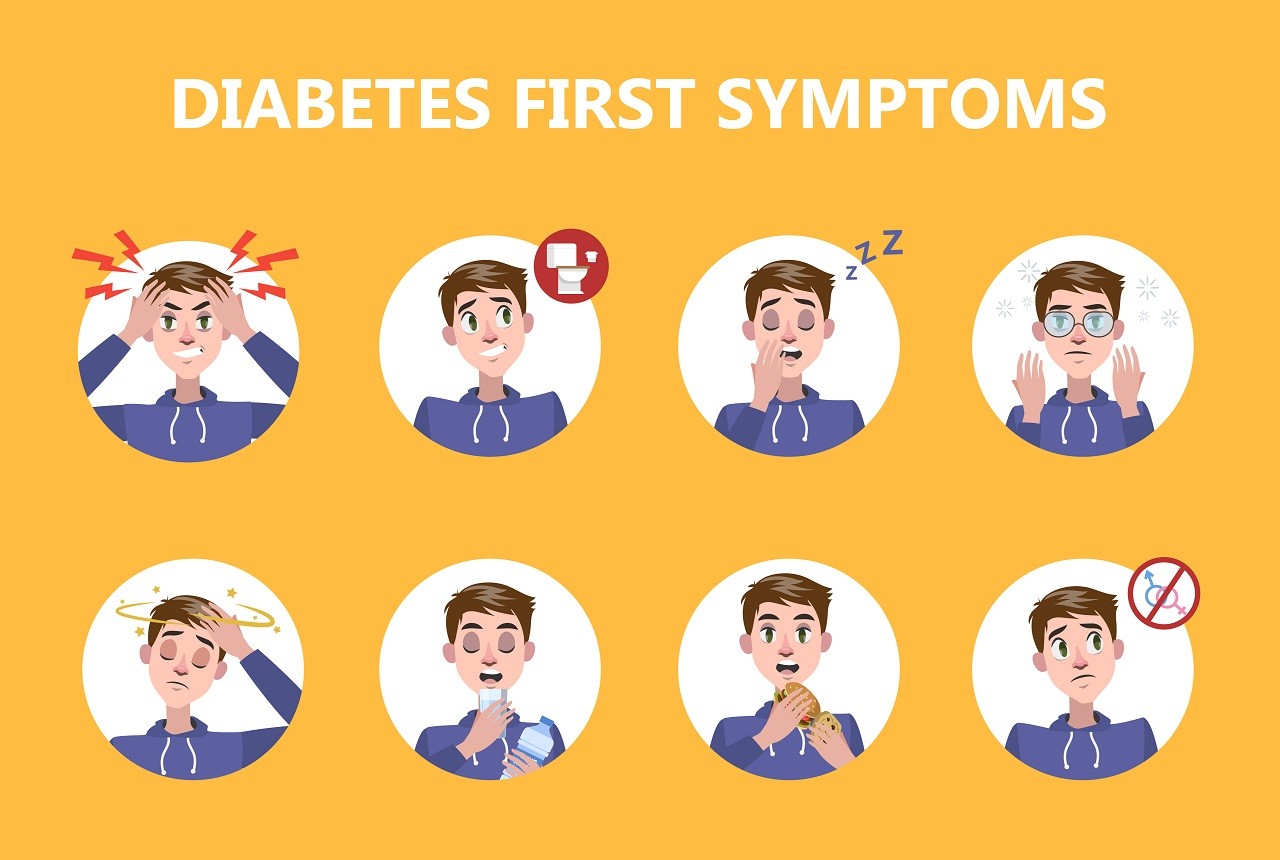
So, what are the telltale signs of diabetes? Many symptoms of diabetes are easy to overlook or confuse with other conditions, especially in the early stages. Here are some key ones to watch out for:
Frequent urination: High blood sugar pulls water from your tissues, leading to increased thirst and more bathroom trips.
Excessive thirst: You’re always thirsty, and no matter how much you drink, it doesn’t seem to quench your thirst.
Increased hunger: Your body isn’t effectively using glucose for energy, so it craves more fuel.
Unexplained weight loss: In Type 1 diabetes, your body starts breaking down muscle and fat for energy due to the lack of insulin.
Fatigue: Without enough glucose reaching your cells, you’re left feeling tired and sluggish.
Blurred vision: High blood sugar levels can cause swelling in the lens of the eye, affecting your vision.
Slow healing of cuts and bruises: Poor circulation and immune function from high blood sugar can delay wound healing.
Tingling or Numbness in Hands and Feet: High blood sugar over time can damage nerves, leading to tingling, pain, or numbness, especially in extremities.
Frequent Infections: People with diabetes are more susceptible to infections, including skin infections, gum disease, and yeast infections, due to weakened immunity.
Darkened Skin Patches (Acanthosis Nigricans): Dark, velvety patches of skin, often in body creases like the neck or armpits, can signal insulin resistance.
Dry Skin and Itching: High blood sugar and poor circulation can lead to skin dryness and itchiness, especially in the legs and feet.
Irritability or Mood Swings: Fluctuating blood sugar levels can affect mood, leading to feelings of irritability, anxiety, or even depression.
These symptoms may not all appear at once, and they vary by type and individual. If you or someone you know experiences any combination of these symptoms, it’s worth consulting a healthcare provider for a diagnosis.
How is Diabetes Diagnosed?
Diagnosing diabetes isn’t just about a one-time blood sugar test. Several tests can help assess blood glucose levels and determine whether you have diabetes, prediabetes, or neither.
Main Tests and What They Indicate
Fasting Plasma Glucose Test (FPG): Measures blood sugar after an overnight fast. High levels may indicate diabetes.
Oral Glucose Tolerance Test (OGTT): After drinking a sugary liquid, blood sugar levels are checked at intervals. It’s especially useful in diagnosing gestational diabetes.
Hemoglobin A1C Test: Reflects average blood sugar levels over the past three months, giving a broader picture of blood glucose control.
Random Plasma Glucose Test: Blood sugar is checked randomly, regardless of the last meal. High levels may signal diabetes.
Postprandial Glucose (PPG) Test: Measures blood sugar levels after a meal, commonly tested in the early morning before and after breakfast. This helps understand how well the body manages blood sugar after food intake, which is crucial for diagnosing diabetes and evaluating insulin effectiveness.
Early diagnosis allows for proactive management, reducing the risk of complications down the line.
Why Diabetes Awareness Matters
So, why is diabetes awareness so crucial? Knowing about diabetes, its symptoms, and prevention strategies can make all the difference, especially since Type 2 diabetes and prediabetes are often preventable or manageable with lifestyle changes.
Here are a few reasons diabetes awareness matters:
Prevention: Understanding risk factors, such as obesity, inactivity, and family history, can help individuals take steps to reduce their risk of developing Type 2 diabetes.
Early Detection: Many people have diabetes or prediabetes without knowing it. The sooner it’s detected, the better the chances for effective management.
Reduced Health Complications: High blood sugar over time can lead to complications like heart disease, kidney disease, vision loss, and nerve damage. Awareness and management can help prevent or delay these complications.
Improved Quality of Life: By staying informed and proactive, people with diabetes can better manage their condition and enjoy a fuller, healthier life.
How HealD X Makes Diabetes Management Easier
If you’re looking for more than just numbers and a plan, HealD X is here to bring a whole new level of diabetes care, starting at just $89 a month. The HealD X program with Stelo CGM (Continuous Glucose Monitor) offers personalized, real-time glucose tracking, machine-learning insights, and a team of compassionate experts who understand that your life goes beyond a diagnosis.
HealD X takes diabetes care beyond traditional plans by focusing on the small, everyday actions that add up to big changes. Here’s how it works:
Hyper-Personalized Plans: HealD X tailors everything to fit your lifestyle, culture, and health needs—no cookie-cutter approaches here!
Real-Time Insights with Stelo CGM: With continuous glucose monitoring, you get a live view of how your body reacts to meals, stress, and exercise, helping you make immediate, meaningful adjustments.
Mindful, Incremental Progress: HealD believes in micro-habits that become part of your everyday life. Small steps like better meal choices, daily walks, or stress management techniques make sustainable health changes.
24/7 AI Support: Have a question at 3 a.m.? No problem. HealD X’s AI guide is there to answer questions, provide recipes, and give you the nudges you need.
Dedicated Human Care Team: Whether you need emotional support, expert advice, or just someone to check in on your progress, HealD X’s team is here to support you through every high and low.
With HealD X, diabetes management becomes less about numbers and more about living well, with peace of mind, and feeling empowered. Because at HealD, we believe in diabetes care that’s as unique as you are.