Summary
The pancreas produces insulin, which lets your cells absorb sugar from the blood for energy; when it stops working, blood sugar rises to unsafe levels.
In Type 1 diabetes, the immune system attacks and destroys the insulin-producing beta cells, stopping insulin production completely and creating lifelong insulin dependency.
In Type 2 diabetes, years of insulin resistance force the pancreas to overwork until it becomes fatigued and slows down insulin production, often driven by poor diet, excess weight, and inactivity.
Type 1 beta cell loss isn't currently reversible, but Type 2-related pancreatic decline can often be improved or even put into remission with early diet, exercise, and weight management changes.
Ever wondered why the pancreas, your body's very own sugar manager, sometimes decides to throw in the towel and stop producing insulin? It’s like a chef suddenly refusing to cook in a busy restaurant. Chaos ensues! Let’s break it down in a way that’s engaging, insightful, and easy to digest (pun totally intended).
1. Understanding the Pancreas and Its Role in Insulin Production
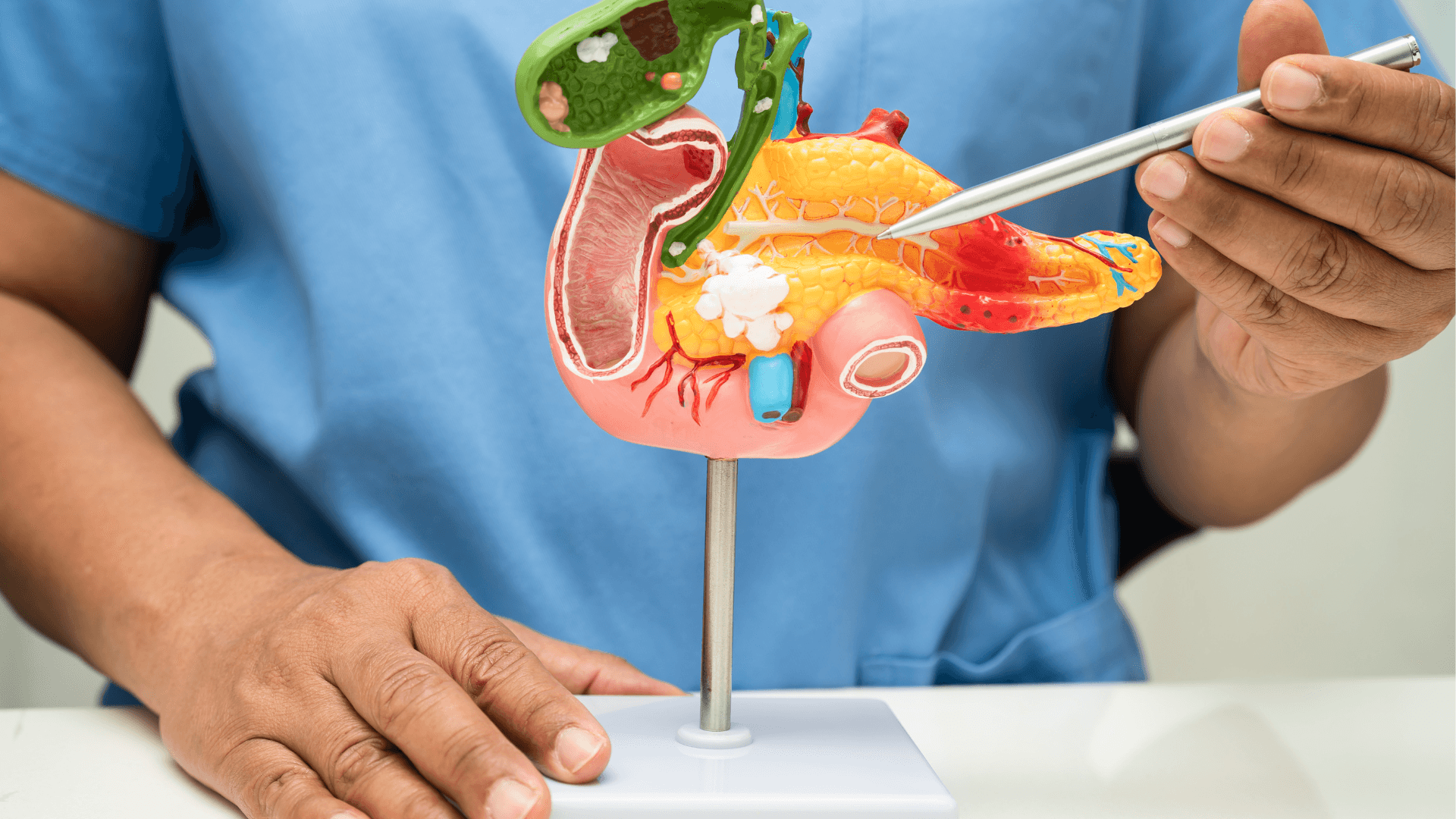
Meet the pancreas, the MVP (most valuable player) of blood sugar regulation. This unassuming organ, located behind your stomach, plays a crucial role in managing glucose levels by producing insulin. Insulin is like a key, it unlocks your cells so they can absorb sugar from the bloodstream and use it for energy. Without it, sugar levels skyrocket, leading to serious health issues. But what happens when the pancreas decides to slack off? Let’s find out.
2. Autoimmune Factors: Type 1 Diabetes and the Immune System
Imagine a mix-up in your body’s security system where your immune cells mistake your pancreas for an intruder. That’s Type 1 diabetes in a nutshell!
The immune system attacks insulin-producing beta cells in the pancreas.
Once these cells are destroyed, insulin production stops completely.
This means lifelong insulin dependency via injections or pumps.
Unfortunately, there’s no known way to prevent Type 1 diabetes, as it’s largely linked to genetics and environmental triggers. Scientists are still unraveling the mystery behind why the immune system misfires like this.
3. Lifestyle and Pancreatic Stress: Type 2 Diabetes Causes
Unlike Type 1, where the pancreas is under attack, Type 2 diabetes develops due to years of poor lifestyle choices (though genetics can also play a role). The pancreas doesn’t stop working overnight, but it definitely struggles! Here’s why:
Insulin Resistance: Your body starts ignoring insulin, forcing the pancreas to work overtime.
Burnout Mode: The overworked pancreas eventually gets exhausted and slows down insulin production.
Poor Diet & Sedentary Lifestyle: High sugar diets, obesity, and lack of exercise contribute to insulin resistance and pancreatic fatigue.
Think of it like a worker who’s been pulling overtime for years, eventually, burnout is inevitable!
4. Can the Pancreas Recover Its Function?
Now for the golden question, can the pancreas bounce back? Well, it depends.
For Type 1 Diabetes: Sadly, once the beta cells are destroyed, they don’t regenerate (at least not yet, research is ongoing!).
For Type 2 Diabetes: Yes! Early intervention with proper diet, exercise, and weight management can restore some pancreatic function and even put diabetes into remission in some cases.
It’s all about reducing stress on the pancreas and making lifestyle changes that support its function.
5. Preventive Measures and Treatment Options
If you’re thinking, I’d like to keep my pancreas happy, here are some practical steps:
Eat a Balanced Diet: Ditch ultra-processed foods and embrace whole foods, fiber, and healthy fats.
Stay Active: Regular exercise improves insulin sensitivity and reduces pancreatic strain.
Maintain a Healthy Weight: Excess fat, especially around the belly, makes insulin resistance worse.
Manage Stress: Chronic stress raises cortisol levels, which can mess with insulin production.
Regular Check-Ups: Catching blood sugar imbalances early can prevent full-blown diabetes.
The Bottom Line
Your pancreas is a hard-working, sugar-regulating powerhouse, until it’s not. Whether it’s an autoimmune attack in Type 1 diabetes or lifestyle-induced burnout in Type 2, understanding how the pancreas functions (and malfunctions) is key to managing and preventing diabetes. Treat your pancreas well, and it’ll return the favor with balanced blood sugar and steady energy levels!
Small Steps, Big Changes
Making lifestyle shifts can feel overwhelming, but the key is in consistency and support. Programs like HealdX focus on micro-habit changes that help ease stress on your pancreas, improve insulin sensitivity, and support long-term health. With tools like real-time glucose monitoring and expert guidance, managing diabetes becomes less about restriction and more about sustainable progress. After all, small steps today lead to big health wins tomorrow!
Want to dive deeper into diabetes care? Stay tuned for more science-backed, engaging health insights!