Summary
Insulin resistance often shows up quietly, through fatigue, increased hunger, abdominal weight gain, dark velvety skin patches (acanthosis nigricans), skin tags, frequent urination and thirst, sugar cravings, and trouble losing weight.
Risk goes up with abdominal obesity, a sedentary lifestyle, a family history of type 2 diabetes, PCOS, age over 45, certain ethnic backgrounds, and chronic stress or poor sleep.
Doctors can check for it with tests like fasting blood sugar, hemoglobin A1c, fasting insulin, the HOMA-IR score, and an oral glucose tolerance test.
It is often reversible through lifestyle changes, balanced nutrition, regular activity, better sleep and stress management, and modest weight loss, and programs like HealD can support that process.
Introduction: Why Recognizing Insulin Resistance Early Matters
Insulin resistance doesn’t announce itself with sirens. Instead, it whispers, through fatigue, stubborn weight gain, and subtle skin changes, until it grows into something bigger, like prediabetes, metabolic syndrome, or type 2 diabetes.
But catching it early can change everything.
In this guide, we’ll cover the early signs of insulin resistance, related conditions, and risk factors you shouldn’t ignore. You’ll also find practical steps to protect your health and explore how programs like Diabetes Prevention Program (DPP) support lifestyle-led care.
What Is Insulin Resistance?
At its core, insulin resistance means your body isn’t responding to insulin the way it should. Normally, insulin helps glucose move from your bloodstream into your cells to be used as energy. But when your insulin sensitivity declines, your cells resist the signal, and glucose starts to build up in your blood.
Your pancreas tries to fix the problem by pumping out more insulin. Over time, this compensation can fail, leading to chronically elevated insulin levels, high blood sugar, and increased risk for:
Metabolic syndrome
Cardiovascular disease
Early Signs of Insulin Resistance
Most people won’t get a loud warning. Instead, they may experience a combination of these early insulin resistance symptoms:
Symptom | Why It Happens |
|---|---|
Fatigue | Cells struggle to absorb glucose, leaving you low on energy |
Increased hunger (hyperphagia) | Poor glucose usage signals the brain to eat more, especially carbs |
Weight gain around the abdomen | Insulin promotes fat storage, especially in the midsection |
Acanthosis nigricans | Dark, velvety patches on the neck or armpits, caused by excess insulin |
Frequent urination & thirst | The kidneys work overtime to flush out excess sugar |
Cravings for sugary foods | Blood sugar dips trigger a cycle of craving and crashes |
Skin tags | Often appear near areas affected by acanthosis nigricans |
Difficulty losing weight | Insulin-resistant metabolism resists fat-burning efforts |
Risk Factors: Who Is Most at Risk?
Knowing your risk can help you act before symptoms appear. Factors that increase your likelihood of developing insulin resistance include:
Obesity, especially central (abdominal) fat
Sedentary lifestyle
Family history of type 2 diabetes
Polycystic Ovary Syndrome (PCOS)
Age over 45
Ethnic background (African American, Hispanic, Native American, Asian)
Chronic stress and poor sleep
These factors not only raise the risk of insulin resistance but also contribute to developing metabolic syndrome—a cluster of conditions including high blood pressure, high triglycerides, and low HDL cholesterol.
Related Conditions: The Link to Metabolic Syndrome and Prediabetes
Insulin resistance doesn’t exist in isolation. Over time, it often evolves into or coexists with:
Prediabetes – Fasting glucose is elevated but not yet in the diabetic range
Metabolic syndrome – A group of risk factors that increase heart disease and diabetes risk
Type 2 diabetes – When insulin production can no longer keep up with resistance
Cardiovascular disease – Insulin resistance increases inflammation and lipid imbalance
Understanding this progression can help you treat insulin resistance as a root cause, not just a symptom.
Diagnostic Tests: How It’s Identified
If you or your doctor suspect insulin resistance, you may wonder how to test insulin resistance effectively. The following diagnostic tools are commonly used:
Fasting Blood Sugar (FBS) – Checks baseline glucose levels
Hemoglobin A1c – Reflects average blood sugar over 2–3 months
Fasting Insulin Test – High levels suggest insulin resistance
HOMA-IR Score – Combines fasting glucose and insulin to estimate resistance
Oral Glucose Tolerance Test (OGTT) – Measures the body’s glucose response over time
These tests provide insight into your body’s metabolic flexibility—and whether intervention is needed.
Managing Insulin Resistance: Focus on Lifestyle First

The good news? Insulin resistance is often reversible, especially when caught early.
Key lifestyle strategies include:
Balanced Nutrition
Emphasize whole foods, lean proteins, healthy fats, and fiber-rich vegetables
Limit refined carbs, sugary drinks, and processed snacks
Physical Activity
Aim for at least 150 minutes of moderate aerobic activity per week
Add resistance training to improve insulin sensitivity
Sleep and Stress
Get 7–9 hours of sleep
Use mindfulness or relaxation techniques to reduce cortisol levels
Weight Loss (if applicable)
Even a 5–7% reduction in body weight can improve insulin sensitivity
When to Seek Help, and How HealD Can Support You
If you notice persistent fatigue, skin changes like acanthosis nigricans, or you’ve been told you have high fasting blood sugar, it’s time to consult a healthcare provider.
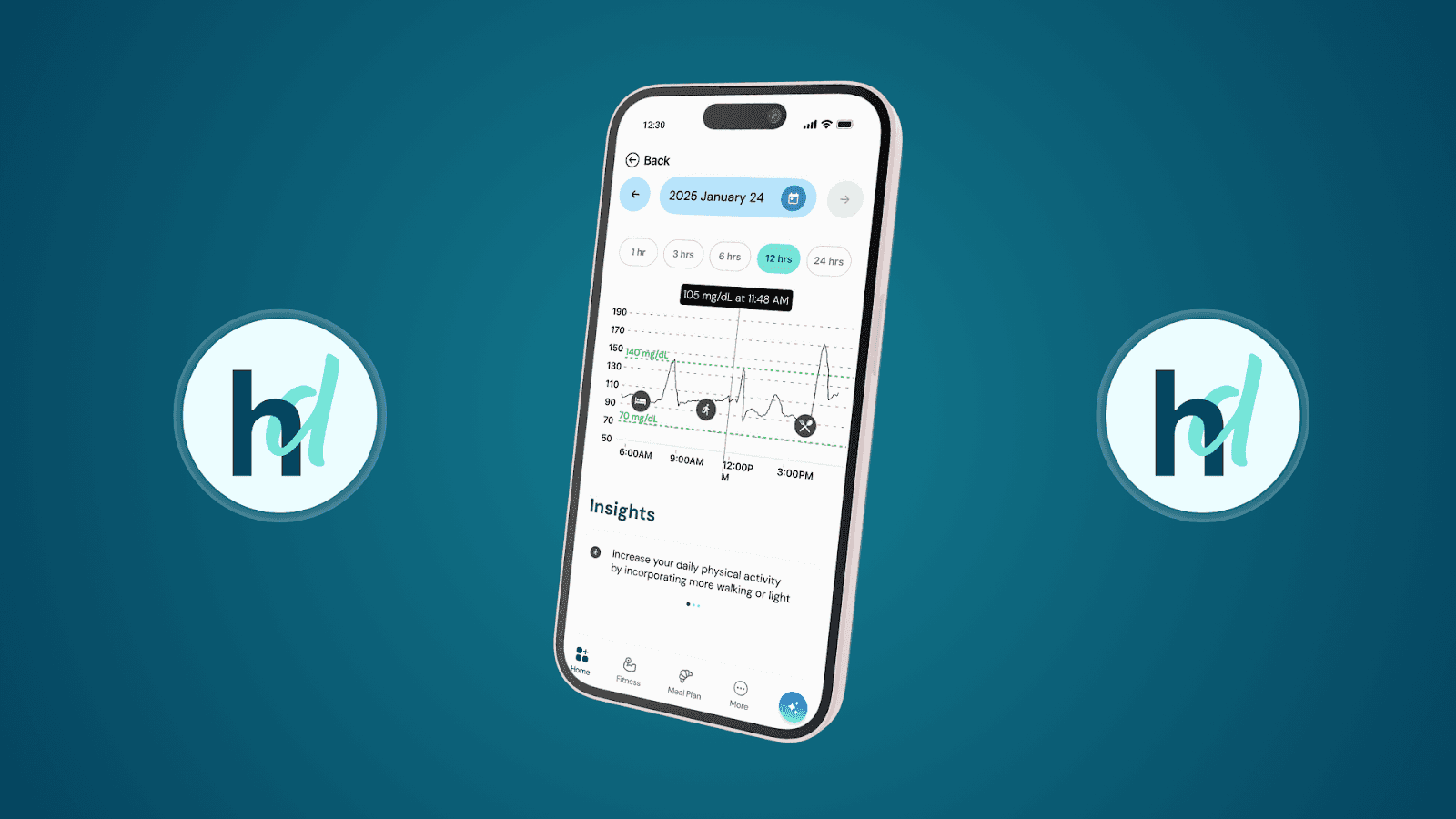
Programs like HealD are designed to support individuals through lifestyle-led care. Rather than focusing only on medications, HealD combines continuous insights (like tracking glucose trends) with structured guidance on nutrition, exercise, sleep, and stress, allowing you to rebuild insulin sensitivity from the inside out.
It’s not about quick fixes—it’s about long-term, sustainable health rooted in informed choices.
Final Thoughts: Insulin Resistance Is Manageable
The early signs of insulin resistance can be easy to miss, but paying attention makes all the difference. By understanding symptoms like unexplained hunger, weight gain, and acanthosis nigricans, and identifying personal risk factors, you’re in a better position to act before complications arise.
Insulin resistance is a warning light, not a life sentence. With early action and the right lifestyle tools, you can restore metabolic balance and protect your long-term health.