Summary
Arterial plaque was long thought to be permanent, but emerging research suggests regular exercise can help reverse some of it and improve plaque stability.
People with high levels of physical activity tend to have significantly lower levels of the unstable, lipid-rich plaque that is most likely to rupture and cause a heart attack.
A 10-year study found that consistent aerobic exercise, like brisk walking or cycling, led to a slow regression of plaque and a reduced risk of cardiovascular events.
Exercise helps by burning off LDL ("bad") cholesterol, raising HDL ("good") cholesterol, lowering inflammation, and shrinking the lipid core of existing plaques so they become more stable.
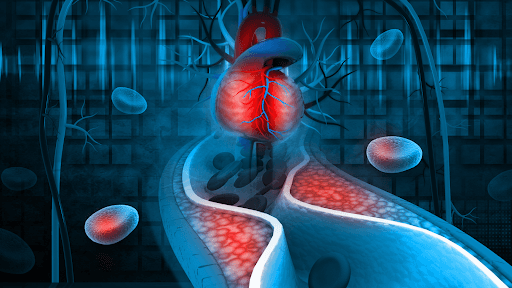
Imagine your arteries as highways delivering oxygen-rich blood to every part of your body. Now imagine traffic jams, big ones. That’s what arterial plaque is: a cholesterol-laden gunk that builds up on your arterial walls, narrowing the passageways and setting you up for a not-so-pleasant surprise like a heart attack or stroke.
But what if there were a way to clear some of that mess? Not with a broom, but with your sneakers.
The Science Behind Arterial Plaque and How Exercise Helps Reverse It
Arterial plaque is made up of fats, cholesterol, calcium, and other substances found in the blood. Over time, this build-up leads to atherosclerosis, the hardening and narrowing of arteries. But here's the twist: While we’ve long been told that once plaque is there, it's there for good, emerging research is challenging that belief. Turns out, your treadmill could be doing more than just prepping you for beach season, it could be helping to reverse some of that damage.
So how exactly does exercise play a superhero in this story?
Can Exercise Reduce Arterial Plaque? What the Latest Research Shows
Let’s talk numbers.
In a 2021 study published in the Journal of the American Heart Association, researchers found that individuals who engaged in high levels of physical activity had significantly lower levels of coronary artery plaque composed of lipids, the unstable, dangerous kind that’s most likely to rupture and cause heart attacks. Stable plaques? Less scary. Unstable plaques? Time bombs.
The same study noted that even moderate exercise, not marathon running, showed protective effects.
Another gem: A landmark study in Circulation (2015) followed participants over a 10-year period and found that consistent aerobic exercise (such as brisk walking or cycling) led to a slow regression of plaque and significantly reduced the risk of cardiovascular events.
Let’s repeat that for the people in the back: Exercise didn’t just slow the growth, it actually reversed some plaque build-up. Mic drop.
How Regular Physical Activity Decreases Lipid Content in Plaques
It’s not just about sweating it out, it’s about what that sweat does inside your arteries.
When you exercise:
Your body burns off excess LDL cholesterol (the "bad" kind).
HDL cholesterol (the "good" kind) increases, helping to clear fats from your blood.
Inflammation, a major contributor to plaque instability, decreases.
The lipid core of existing plaques starts to shrink, making them more fibrous and stable.
Think of it like turning a gooey, dangerous mess into a hardened shell that’s less likely to explode. The result? A more stable artery and a much lower risk of cardiac catastrophe.
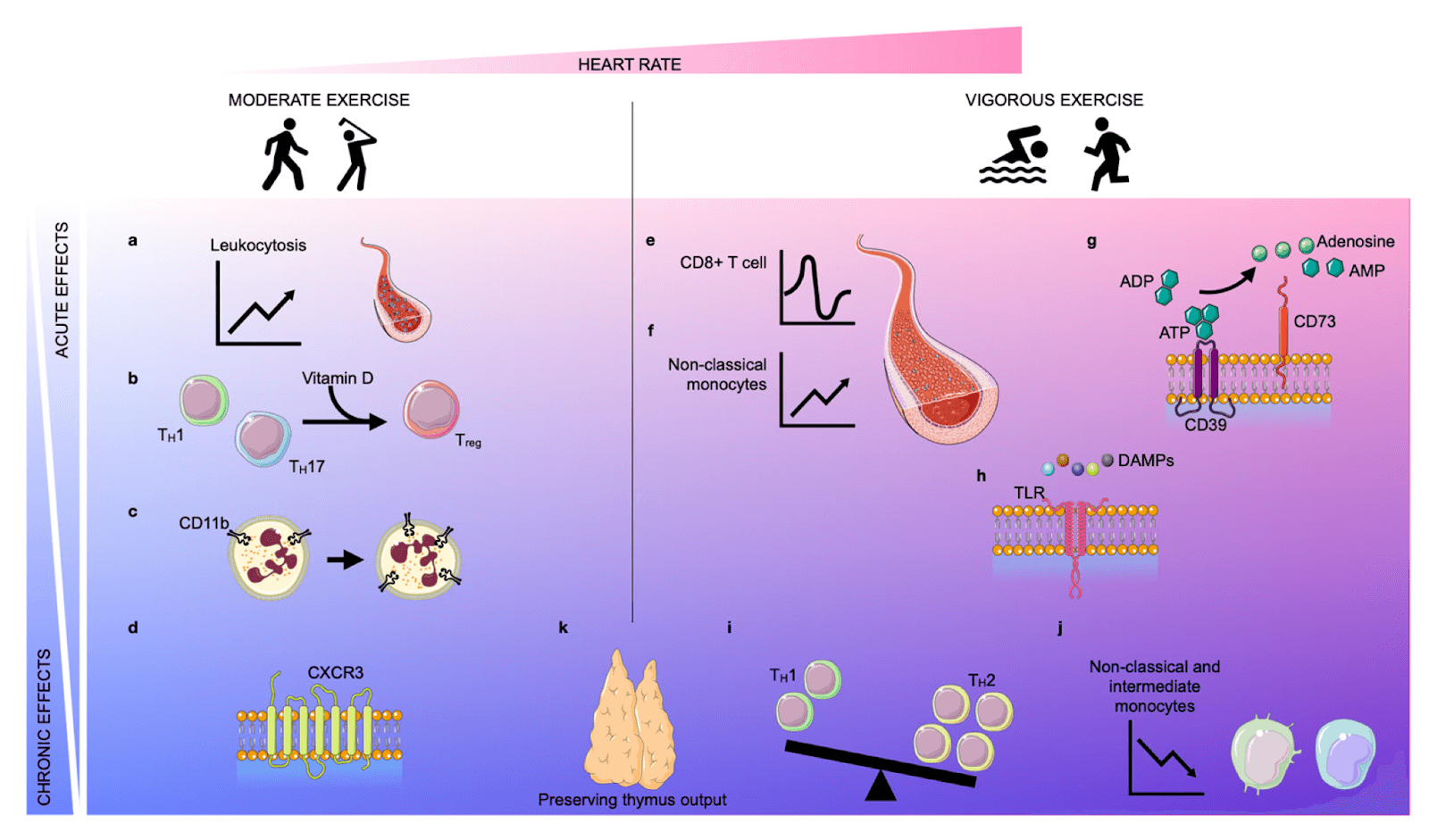
Credits: MDPI
The Benefits of Exercise for Heart Health and Plaque Stability
Here’s your heart on exercise, in bullet points:
Improved circulation - Better blood flow means more oxygen and nutrients reach your heart.
Lower blood pressure - Less strain on artery walls = less damage = slower plaque formation.
Reduced insulin resistance - A major risk factor for heart disease.
Weight management - A healthy weight supports overall cardiovascular health.
Stress relief - Chronic stress is linked to inflammation, which worsens plaque build-up. Regular movement helps.
Bonus: People who exercise regularly are less likely to need medication to control blood pressure, cholesterol, and even Type 2 diabetes. That’s not just good news for your arteries, it’s great news for your wallet.
Conclusion: Using Exercise to Protect Your Heart and Reverse Plaque Build-Up
So, can exercise reverse arterial plaque?
In many cases, yes, especially the most dangerous kind. More importantly, it improves plaque stability, reducing your risk of the big, scary stuff like heart attacks and strokes. No, it’s not a magic pill. And no, it won’t work overnight. But with consistent movement, brisk walks, cycling, swimming, dancing, you’re giving your body the tools it needs to fight back.
Your arteries are whispering, “Thank you.”