Summary
Phytochemicals are plant compounds (flavonoids, carotenoids, polyphenols, glucosinolates) that aren't essential nutrients but can influence gene expression, reduce inflammation, support detoxification, and activate antioxidant defenses.
Diet can epigenetically switch genes on or off without altering the DNA sequence itself, through mechanisms like methylation and histone modification—for example, sulforaphane in broccoli sprouts activates Nrf2, triggering over 200 protective genes.
A phytochemical-rich diet is linked to lower risk of type 2 diabetes, cardiovascular disease, obesity, neurodegenerative disease, and certain cancers, with one meta-analysis finding higher flavonoid intake associated with a 20% lower risk of cardiovascular events.
Nutrigenomics is the study of how food and nutrients influence gene activity, and specific compounds such as quercetin, sulforaphane, curcumin, lycopene, EGCG, and resveratrol each offer distinct benefits from common, everyday food sources.
Introduction: How Phytochemicals Shape Your Health from the Inside Out
Your genes may write the script, but your diet directs the performance. What you eat doesn’t just affect your waistline or energy—it can turn genes on or off, influence inflammation, and even trigger healing pathways at the cellular level.
Enter phytochemicals: powerful plant compounds that aren’t vitamins or minerals, but act like tiny messengers, programming your DNA toward health or disease. Whether you're curious about the nutrigenomics diet, epigenetics, or just want to understand how food affects gene expression, this blog will help you decode how your daily meals shape your genetic destiny.
Phytochemicals and Health: Unlocking the Power of Plant Compounds
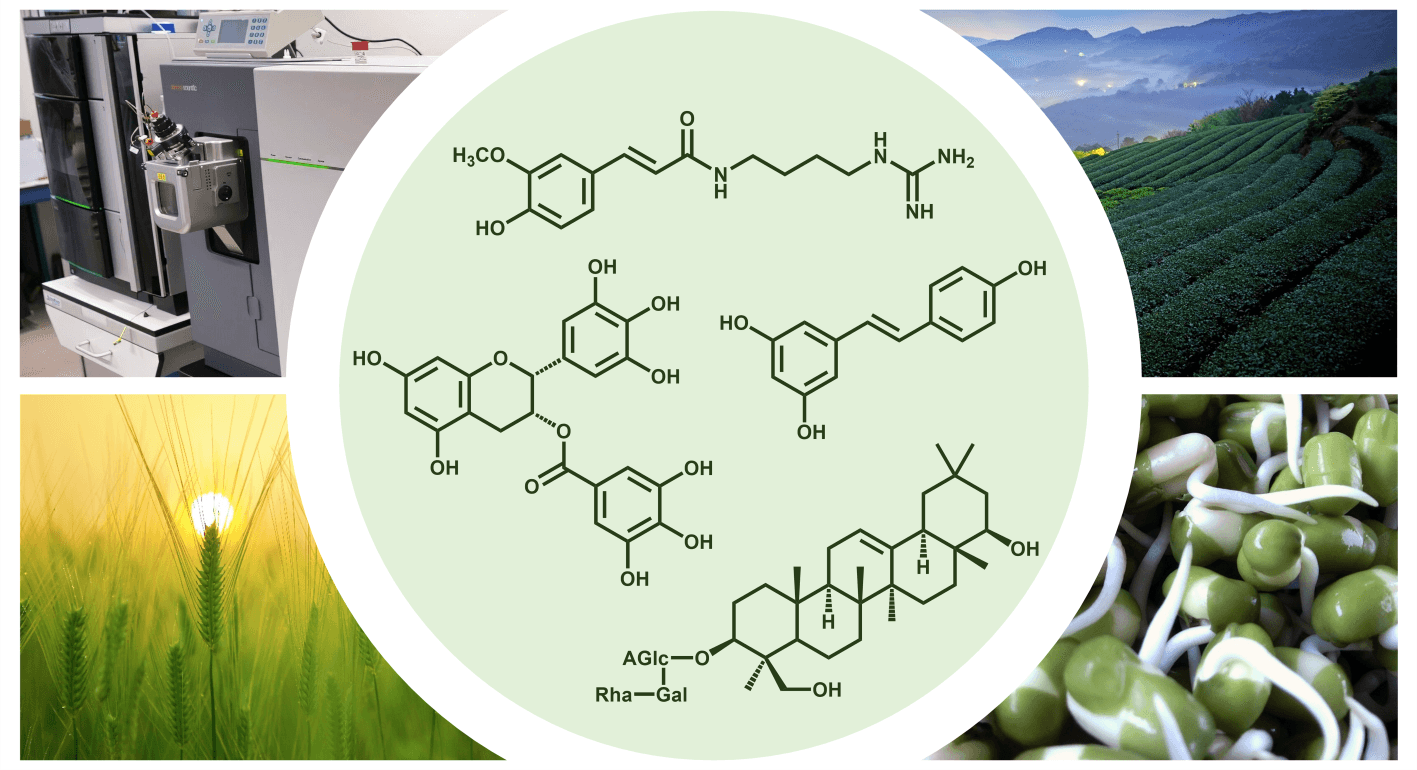
Credits: WUR
Phytochemicals are bioactive compounds found in plants—think flavonoids, carotenoids, polyphenols, and glucosinolates. Unlike essential nutrients, your body doesn’t “need” them to survive. But it certainly thrives when they’re present.
They play critical roles in:
Modulating inflammation
Supporting detoxification
Activating antioxidant defense systems
Protecting cells from oxidative stress and DNA damage
Research Insight:
A 2019 study published in Frontiers in Genetics found that polyphenols like quercetin and curcumin directly influence the expression of genes involved in inflammation, metabolism, and oxidative stress, suggesting they can act as natural epigenetic modulators.
How Food Affects Gene Expression: The Role of Diet in Shaping Your DNA
Gene expression isn’t fixed. Through a process called epigenetics, which is influenced by lifestyle factors especially diet—your genes can behave differently without any change to the DNA sequence itself.
Think of DNA as a piano. Epigenetics is sheet music. And phytochemicals are the pianist, deciding what to play and when.
Your diet can:
Silence genes linked to chronic diseases
Activate genes that promote cellular repair
Influence methylation and histone modification, two major epigenetic mechanisms
Example: The sulforaphane in broccoli sprouts has been shown to activate Nrf2, a transcription factor that triggers over 200 protective genes related to detoxification and antioxidant defense.
The Benefits of Phytochemicals: Protecting Against Chronic Disease

Credits: MDPI
Consuming a phytochemical-rich diet is linked to a lower risk of:
Type 2 diabetes
Cardiovascular disease
Obesity
Neurodegenerative diseases (like Alzheimer’s)
Certain cancers
These compounds work synergistically to reduce oxidative stress, rebalance hormones, and boost immune resilience.
Research Insight:
A meta-analysis in The American Journal of Clinical Nutrition found that higher flavonoid intake was associated with a 20% lower risk of cardiovascular events, largely due to their anti-inflammatory and gene-regulating properties.
Nutrigenomics: Understanding the Link Between Diet and Gene Expression
Nutrigenomics is the science of how food and nutrients influence gene activity. It’s not about having “good” or “bad” genes—it’s about giving your body the right inputs to express the best version of those genes.
Personalized nutrition, guided by genetic information, can help you:
Reduce disease risk
Enhance metabolic efficiency
Improve mental clarity and mood
Optimize detoxification pathways
It’s precision wellness, powered by your plate.
Epigenetics and Diet: How What You Eat Alters Your Genetic Fate
Certain dietary habits can epigenetically reprogram your cells toward health or dysfunction. For example:
High sugar diets can upregulate genes related to inflammation and insulin resistance
Omega-3 fatty acids downregulate pro-inflammatory gene expression
Plant polyphenols support DNA repair and inhibit tumor-promoting genes
Unlike your genes, your epigenome is dynamic, meaning it can change based on the choices you make every day.
Plant Compounds That Fight Disease: What to Eat for Better Health
Here’s a cheat sheet of top phytochemicals, their food sources, and what they do inside your body:
Phytochemical | Food Sources | Primary Benefits |
|---|---|---|
Quercetin | Onions, apples, berries | Anti-inflammatory, supports immune health |
Sulforaphane | Broccoli sprouts, kale, cabbage | Activates detox pathways, supports DNA repair |
Curcumin | Turmeric | Reduces oxidative stress, may modulate cancer-related genes |
Lycopene | Tomatoes, watermelon | Supports heart health, protects against prostate cancer |
EGCG | Green tea | Promotes fat oxidation, improves cellular signaling |
Resveratrol | Grapes, red wine, peanuts | Cardioprotective, activates longevity-related genes (SIRT1) |
Eating these compounds consistently—ideally as part of whole, unprocessed foods, can gradually rewire your gene expression for resilience and longevity.
Conclusion: Feeding Your Genes for Lifelong Health and Wellness
Your DNA isn’t your destiny. It’s your blueprint, and what you feed it determines the outcome.
By prioritizing a phytochemical-rich diet, you’re not just eating for energy or taste. You’re activating genes, silencing disease pathways, and rewriting your cellular future. From nutrigenomics to epigenetic expression, every bite is a biological decision. So the next time you build a plate, think beyond calories. Think about information. Think transformation.
Because health isn’t just what you eat, it’s what your genes do with it.