Summary
Omega-3 fats (especially DHA) from fish support your baby's brain and eye development, and older mercury-related fears kept many women from eating fish that's actually beneficial in pregnancy.
Omega-3s also support the mother's heart health and reduce inflammation, and may help with insulin sensitivity and more stable blood sugar, which matters for moms managing gestational diabetes.
The American Pregnancy Association recommends 200-300 mg of DHA a day, roughly two servings a week of low-mercury fatty fish like salmon, sardines, or trout.
High-mercury fish such as swordfish, shark, tilefish, and king mackerel should still be avoided, and vegetarians can consider algae-based omega-3 supplements as an alternative.
Pregnancy nutrition advice has swung like a pendulum over the years, especially when it comes to eating fish. For decades, many pregnant women were told to avoid fish due to concerns about mercury and other contaminants. But new research is flipping the script, revealing that omega-3 fatty acids found in fish are not only safe but essential for your baby’s brain development and your long-term health. And for moms managing gestational diabetes, omega-3s may offer additional benefits worth exploring.
If you’re pregnant or planning to be, this blog will dive into the exciting comeback of omega-3s, why these fats are crucial, how much you need, and how to get them affordably without relying on pricey supplements.
The Omega-3 Comeback in Pregnancy Nutrition

Omega-3 fatty acids, particularly EPA (eicosapentaenoic acid) and DHA (docosahexaenoic acid), are vital fats our bodies can’t produce efficiently on their own. DHA, in particular, plays a starring role in the development of your baby’s brain and eyes during pregnancy.
For years, fish intake during pregnancy was limited due to fears of mercury exposure, leading many women to cut out this nutrient-rich food altogether. However, recent studies have shown that the benefits of consuming omega-3-rich fish far outweigh the risks, and in fact, avoiding fish might deprive the baby of key nutrients needed for optimal development.
Why Omega-3s from Fish Are Essential for Baby’s Brain Development
Your baby’s brain is growing rapidly in the womb, and DHA is a critical building block of neural tissue. Omega-3 fatty acids contribute to the formation of cell membranes in the brain and retina, affecting cognitive function, vision, and even mood regulation later in life.
A landmark study published in JAMA Pediatrics in 2020 followed thousands of children whose mothers consumed adequate omega-3s during pregnancy. The researchers found significant improvements in children’s IQ scores, attention span, and behavioral outcomes compared to those with low omega-3 exposure in utero. This highlights the profound impact maternal diet can have on a child’s neurological development.
Benefits of Eating Fish During Pregnancy for Heart and Longevity Health
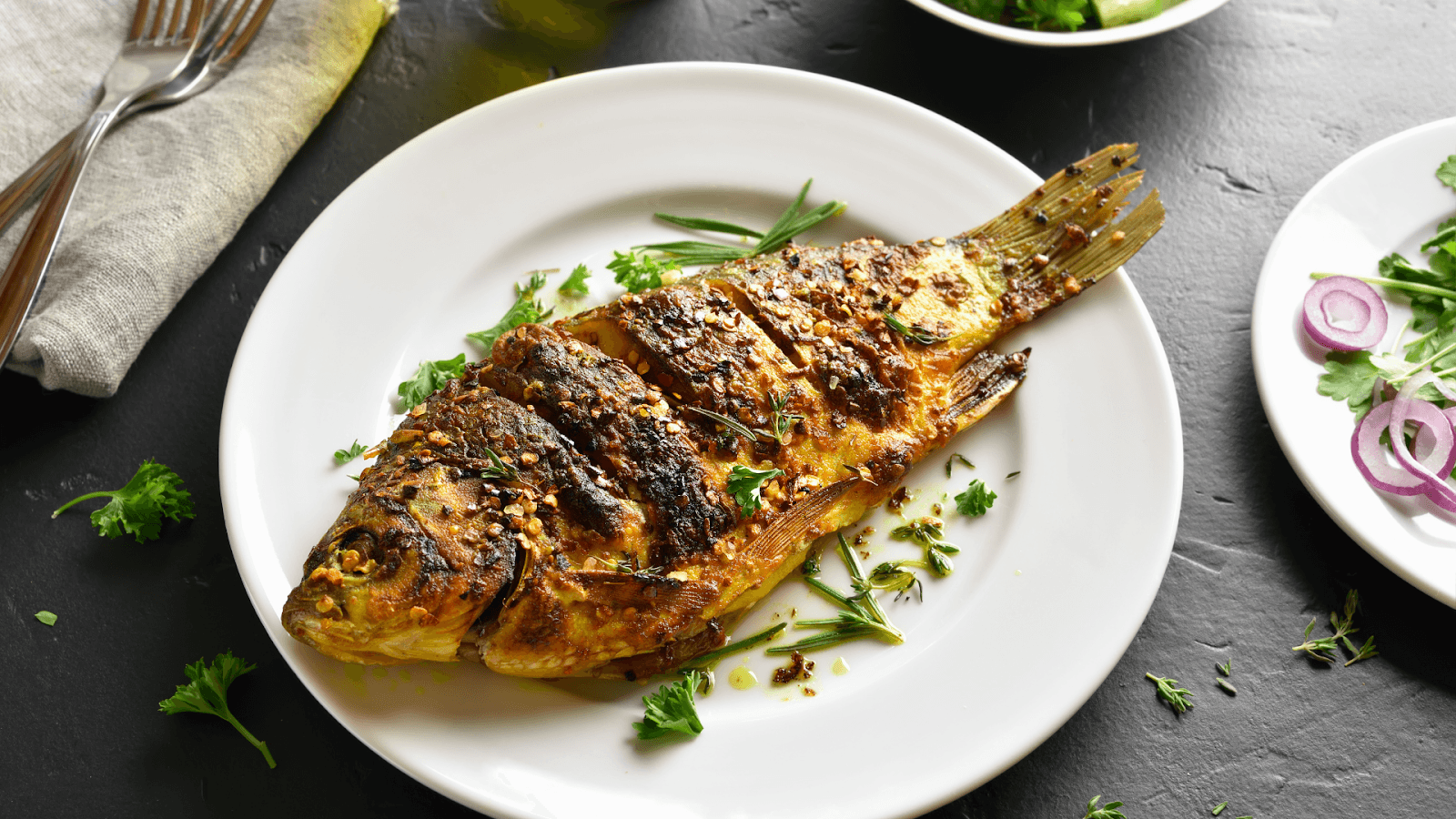
Omega-3s don’t just help the baby; they also provide remarkable benefits for the mother. These fats have anti-inflammatory properties that support heart health, which is especially important during pregnancy when cardiovascular strain increases.
This is particularly relevant if you're navigating gestational diabetes, where heart health and inflammation management become even more critical.
Interestingly, a study in The American Journal of Clinical Nutrition reported that low omega-3 blood levels are associated with a mortality risk comparable to smoking. That’s right, a deficiency in these essential fats carries serious health consequences. Since 90% of Americans don’t get enough omega-3s, pregnant women are encouraged to prioritize sources like fatty fish to boost their heart and overall health, now and long-term.
Can Omega-3s Support Blood Sugar Balance Too?
While most omega-3 benefits focus on brain and heart health, emerging studies suggest these fats may also improve insulin sensitivity and reduce inflammation, both important for blood sugar regulation. For moms managing gestational diabetes, incorporating omega-3-rich foods may help maintain more stable glucose levels while supporting fetal development.
How Much Omega-3 Do You Need During Pregnancy?
The American Pregnancy Association recommends that pregnant women consume at least 200-300 mg of DHA daily to support fetal brain and eye development. This is roughly equivalent to two servings of low-mercury fatty fish per week, such as salmon, sardines, or trout.
It's worth noting that not all fish are created equal. High-mercury fish like swordfish and king mackerel should be avoided, but low-mercury options provide a safe, nutrient-packed way to hit your omega-3 goals.
Getting Omega-3 from Eating Fish: A Natural and Affordable Source
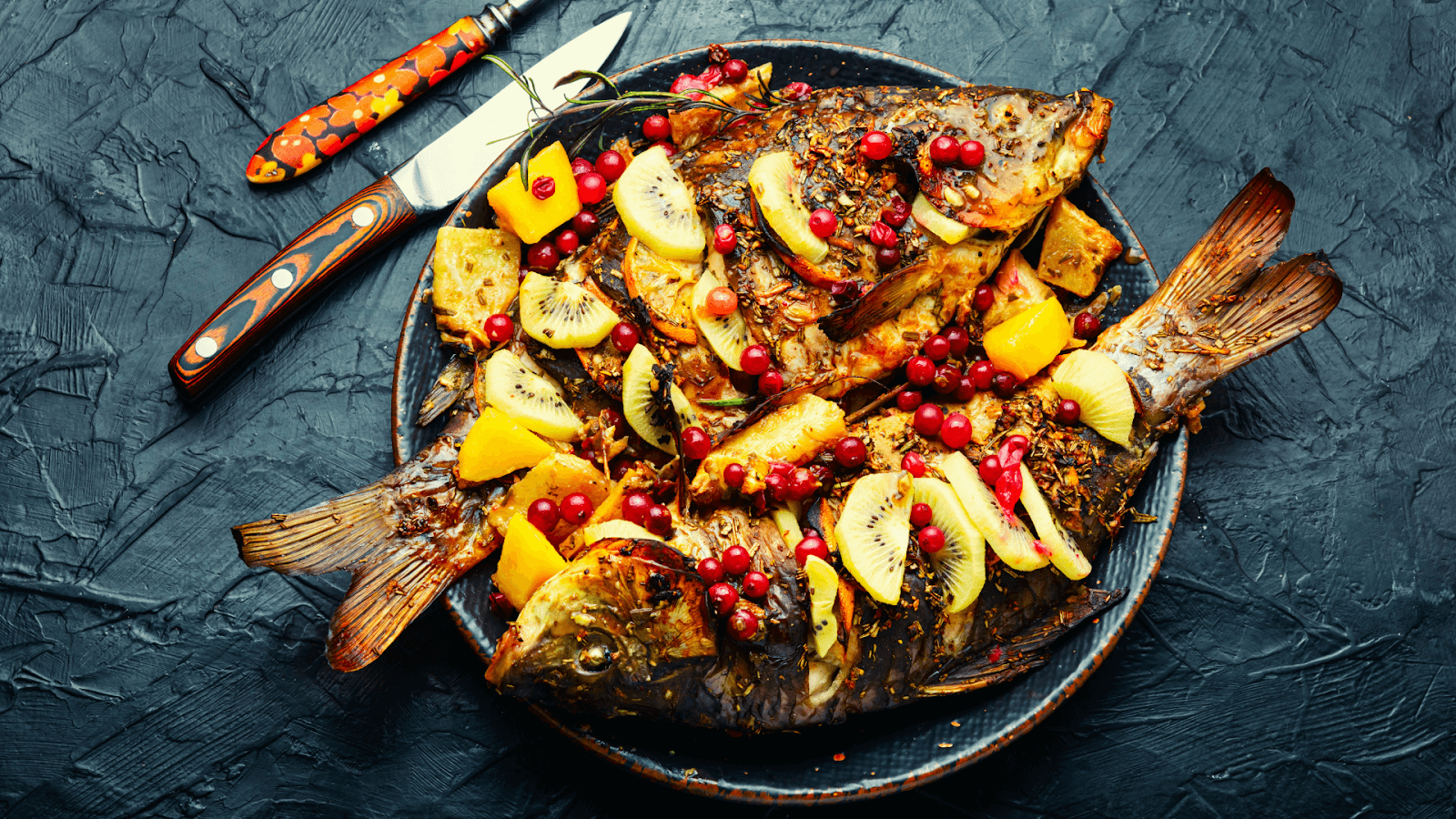
Supplements can be expensive and vary in quality, but whole fish delivers a package of nutrients beyond just omega-3s, including protein, vitamin D, and selenium, which all contribute to a healthy pregnancy.
Here are some tips for safely including fish in your pregnancy diet:
Choose low-mercury fish: Salmon, sardines, anchovies, and trout are great picks.
Aim for 2 servings per week: This usually meets or exceeds the recommended DHA intake.
Cook fish thoroughly: To avoid any foodborne illness risks.
Limit high-mercury fish: Avoid shark, swordfish, tilefish, and king mackerel.
For vegetarians or those who dislike fish, algae-based omega-3 supplements can be a good alternative, but natural sources remain the gold standard for nutrient synergy and affordability.
Conclusion: Embracing Omega-3s for a Healthy Pregnancy and Beyond
Omega-3 fatty acids have made a triumphant comeback as a must-have nutrient for pregnancy. Far from the outdated fear of fish, we now know these fats play an indispensable role in shaping your baby’s brain and eye development, while also supporting your heart and long-term health.
With a simple, informed approach to eating fish, focusing on low-mercury varieties and adequate servings, you can nourish yourself and your baby with the smartest pregnancy food that nature offers. So next time you plan your meals, don’t shy away from the fish aisle; it might just be one of the best choices you make for your family’s future.
For moms dealing with gestational diabetes, omega-3s present a low-carb, nutrient-dense option that supports your health without spiking blood sugar levels.