
Summary
Steady blood sugar comes from small, consistent daily habits rather than occasional big efforts, and a 2018 Diabetes Care study found consistent lifestyle changes lowered HbA1c by an average of 1.3 percent in six months.
Balanced meals combining complex carbs, lean protein, healthy fats, and fiber-rich vegetables help prevent post-meal glucose spikes.
Eating at regular intervals, staying active, and managing stress train the body to use insulin more efficiently and reduce blood sugar swings over time.
Mindful eating (slowing down, stopping when full) and simple activity like a 30-minute daily walk or a short walk after meals both support better glucose control.
Managing blood sugar doesn’t have to feel like solving a Rubik’s cube while blindfolded. Mastering glycemic control is all about small, consistent habits that are surprisingly simple, and very doable, even on a busy schedule. In this blog, we’ll walk you through how mindful eating, balanced meals, staying active, and a few other daily practices can help you keep your blood sugar steady without stress.
Introduction: Mastering Glycemic Control with Simple Daily Habits
When it comes to glycemic control, the real magic lies in what you do every day, not just once in a while. Research shows that routine behaviors like eating balanced meals, moving your body, and making mindful choices can significantly improve blood sugar levels, even for people with type 2 diabetes or prediabetes.
One landmark study in Diabetes Care (2018) found that individuals who made small but consistent lifestyle changes lowered their HbA1c levels by an average of 1.3 percent within six months, a result comparable to some medications. That’s the power of habit.
So, what exactly should you focus on? Let’s break it down.
How Balanced Meals Help Maintain Steady Blood Sugar Throughout the Day
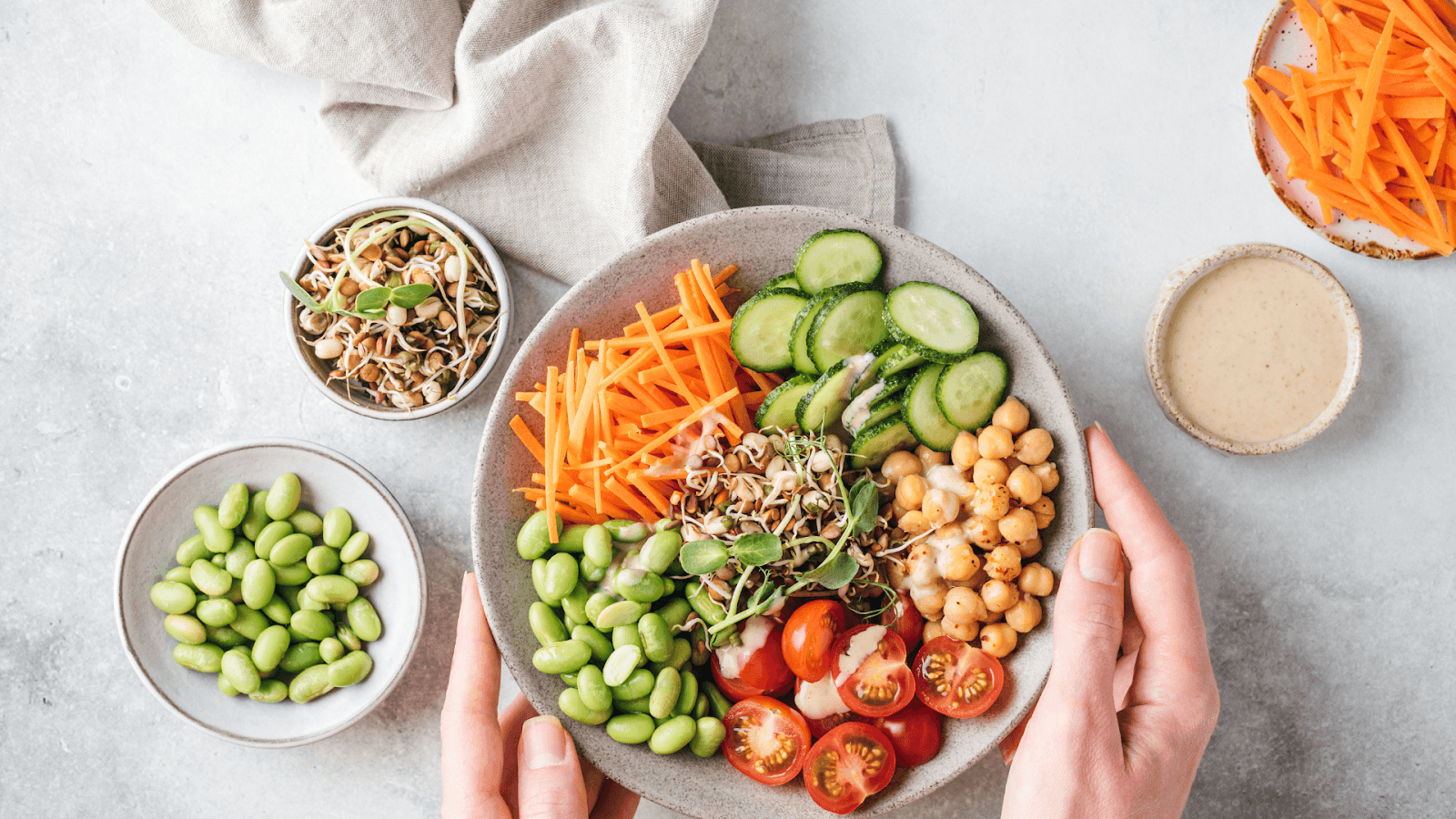
Picture your plate as a tightrope walker. Too many refined carbs, and you’re tipping toward a spike. Too little fuel, and you crash. Balanced meals help you stay steady on the wire by providing just the right mix of nutrients.
A balanced meal combines:
Complex carbs like whole grains and legumes
Lean proteins like eggs or tofu
Healthy fats like avocado or nuts
Fiber-rich veggies like broccoli or leafy greens
Here’s a quick cheat sheet for meal composition:
Component | Why It Matters | Examples |
|---|---|---|
Complex Carbs | Provide steady energy, lower glycemic index | Brown rice, quinoa, lentils |
Lean Protein | Slows glucose absorption | Chicken, fish, paneer |
Healthy Fats | Improve satiety, stabilize sugars | Olive oil, walnuts, flaxseed |
Fiber-Rich Veggies | Add bulk, lower post-meal glucose spikes | Kale, carrots, zucchini |
Research published in The American Journal of Clinical Nutrition (2020) showed that meals rich in fiber and protein significantly reduced post-meal glucose spikes compared to high-carb, low-fiber meals.
The Importance of Consistent Habits for Long-Term Glycemic Control

Consistency is the cornerstone of lasting change, and simple habits form the foundation for sustainable diabetes reversal. When routines are easy to follow, they become second nature. However, skipping meals, irregular eating patterns, and long periods of inactivity disrupt your body's insulin response, making it harder to achieve optimal glycemic control. The key is to develop simple, repeatable habits that promote long-term stability in blood sugar management.
In contrast, eating at regular intervals, staying active throughout the day, and managing stress help train your metabolism to function more efficiently. Over time, these practices improve insulin sensitivity and help prevent dramatic blood sugar fluctuations.
Simple Glycemic Control Habits: Mindful Eating and Staying Active
Mindful Eating
Eating mindfully means being fully present at the table. Chew slowly, savor flavors, and stop when you feel comfortably full. It’s not just a feel-good practice, mindful eating has been shown to improve blood glucose levels by reducing overeating and supporting better food choices.
Try this: Put your fork down between bites and take at least 20 minutes to finish your meal.
Staying Active
You don’t need to run marathons. Even 30 minutes of walking a day can improve insulin sensitivity. If you work at a desk, set a timer to stand up and stretch every hour. A short walk after meals can also lower post-meal glucose.
Practical Tips for Maintaining Glycemic Control and Improving Health

Plan your meals in advance to avoid last-minute high-carb choices
Stay hydrated, as dehydration can skew glucose readings
Prioritize good sleep, since poor rest increases insulin resistance
Track your progress in a journal or app to stay motivated
Manage stress with breathing exercises or hobbies you enjoy
Conclusion: Small Habits That Make a Big Difference in Blood Sugar Management
Mastering glycemic control doesn’t require monumental effort, just consistent, thoughtful habits that fit into your life. Start small, stick with it, and your blood sugar (and your overall health) will thank you.
Because in the end, it’s not about being perfect. It’s about being steady.