Summary
Blood sugar control depends on more than diet alone — nutrition, movement, stress, sleep, and weight all interact to drive lasting results.
Small, sustainable changes work better than sweeping overhauls, so focus on one or two achievable goals at a time until they become automatic.
Tools like a continuous glucose monitor plus a professional care team help you personalize your plan with real data instead of guessing.
Even modest shifts, such as a post-meal walk or losing 7% of body weight, can meaningfully improve how your body manages blood sugar.
Managing diabetes can sometimes feel like you’re just reacting to numbers on a screen. But what if you could shift from reacting to proactively taking control? Understanding how your body responds to food, movement, stress, and sleep is the key to empowerment. It’s not about following a rigid set of rules, but about learning to work with your body’s unique patterns. This guide breaks down the most impactful lifestyle changes for diabetes into simple, manageable steps. The goal is to equip you with the knowledge to make confident decisions and turn daily actions into lasting, health-promoting habits.
Key Takeaways
Look beyond your plate for blood sugar control: Effective diabetes management involves more than just diet. Lasting results come from addressing five interconnected areas: what you eat, how you move, your stress levels, your sleep quality, and your weight.
Build sustainable habits with a smart strategy: Lasting change comes from understanding your personal triggers and starting small. Focus on one or two achievable goals at a time to build momentum and make new routines feel automatic.
Personalize your plan with data and expert support: Stop guessing what works for your body. Use tools like a continuous glucose monitor for real-time feedback and assemble a professional care team to get clear, personalized guidance that cuts through confusing advice.
What Lifestyle Changes Actually Work for Diabetes?
When you’re diagnosed with type 2 diabetes, the advice to “change your lifestyle” can feel overwhelming and vague. It’s easy to get lost in conflicting information, wondering which changes actually move the needle. The good news is that science points to a clear set of habits that have a profound impact on blood sugar control and overall health. This isn't about a quick fix or a restrictive diet that you'll abandon in a few weeks. It's about making strategic, sustainable shifts in your daily routines that put you back in control.
Think of your lifestyle as the foundation of your health. While medication can be a helpful tool, it often works best when supported by daily choices that address the root causes of insulin resistance. By focusing on a few key areas, you can improve how your body uses insulin, stabilize your glucose levels, and even reduce your need for medication over time. These changes are not just about managing a condition; they are about building a healthier, more energetic life. Let's get specific about what works.
The Five Pillars That Drive Real Change
Real, lasting change is built on five core pillars. First is nutrition. The amount of carbohydrates you eat directly influences your blood sugar, and focusing on whole foods helps your body become more sensitive to insulin. Second is meal timing; your body processes sugar less efficiently in the evening, so eating your largest meals earlier can make a big difference. Third, physical activity helps your muscles use blood sugar for energy. Fourth, managing stress is crucial, as stress hormones can raise your glucose levels. Finally, even modest weight management, like losing 7% of your body weight, can significantly improve your body's ability to manage blood sugar.
Why Your Lifestyle Is Your Most Powerful Tool
These five pillars are not isolated tactics; they work together to create a powerful effect on your metabolic health. A healthy diet is great, but its benefits are amplified when combined with regular exercise and good sleep. Research consistently shows that integrating dietary, exercise, and behavioral strategies yields superior outcomes in diabetes prevention and management. Your daily habits are truly a powerful tool for controlling diabetes and preventing related complications. By focusing on these foundational changes, you are actively reshaping your health from the ground up.
How Food Affects Your Blood Sugar
When you’re managing diabetes, your relationship with food can feel complicated. But what you eat is also one of the most powerful tools you have for taking control of your health. The goal isn’t about following a restrictive, joyless diet. Instead, it’s about understanding how your body responds to different foods so you can build a sustainable eating style that works for you, your culture, and your life.
Think of it as a simple formula with three key parts: what you eat, how you combine it, and when you eat it. Getting a handle on these three areas will help you stabilize your glucose levels, feel more energetic, and see real progress. It all starts with learning how the main components of your meals, especially carbohydrates, affect your blood sugar. From there, you can learn to build balanced plates and time your meals to work with your body’s natural rhythms, not against them. This approach puts you in the driver’s seat, turning every meal into an opportunity to move closer to your health goals.
What to Know About Carbs and Your Glucose Response
Of all the foods you eat, carbohydrates have the most direct impact on your blood sugar because they break down into glucose. But this doesn’t mean you need to cut them out completely. The key is to be mindful of the type and amount you eat at each meal. Some people find success with carbohydrate counting, which involves tracking the grams of carbs in your food to keep your intake consistent. For a more visual and less technical approach, you can use the plate method. This simple strategy helps you build a balanced meal without any math: just fill half your plate with non-starchy vegetables, a quarter with lean protein, and the final quarter with high-fiber carbs.
Build a Blood-Sugar-Friendly Plate
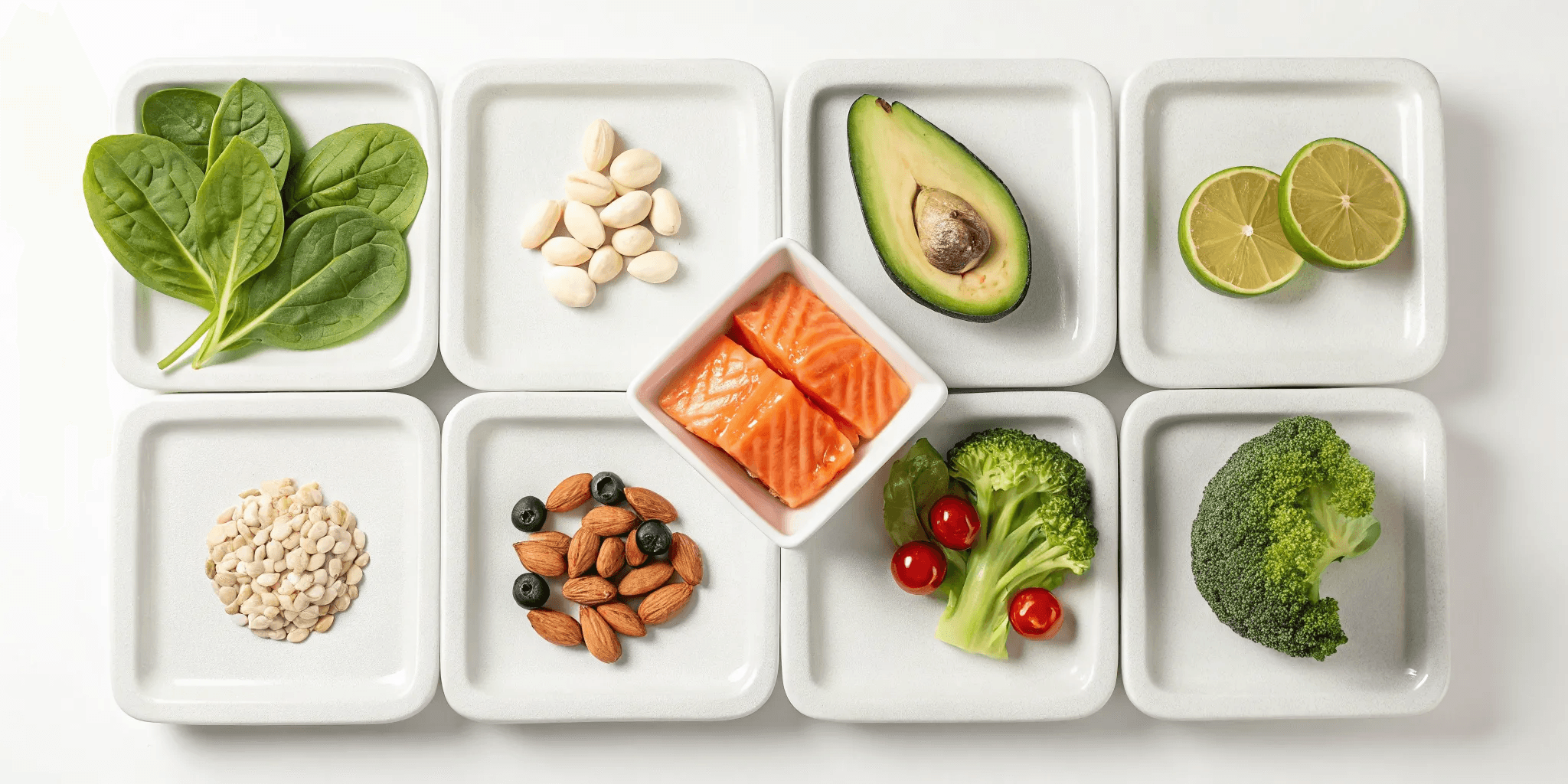
Creating a meal that supports stable blood sugar is easier than you think. The focus should be on whole, unprocessed foods that are packed with nutrients. Start by filling half your plate with non-starchy vegetables like broccoli, spinach, bell peppers, or salad greens. Then, add a source of lean protein like chicken, fish, beans, or tofu to one-quarter of your plate. Protein helps you feel full and has a minimal effect on blood sugar. For the last quarter, choose a high-fiber carbohydrate like quinoa, sweet potato, or whole-grain bread. Finally, don’t forget to include a source of healthy fat, like avocado or olive oil, to improve satiety and slow down digestion.
Master Meal Timing and Portion Sizes
When you eat can be just as important as what you eat. Your body’s ability to manage blood sugar changes throughout the day, and it’s generally less efficient in the evening. This is why skipping breakfast and eating a large dinner late at night can lead to high morning glucose readings. A simple strategy is to eat your larger meals earlier in the day when your body is more sensitive to insulin. Try to make breakfast a priority and aim for dinner to be your lightest meal. Evidence-based lifestyle habits show that this simple shift can make a significant difference in your overall glucose control, helping you wake up with more stable numbers.
Why Movement Matters for Diabetes Management
When you’re managing diabetes, the idea of exercise can feel overwhelming. But what if we reframe it as simply “movement”? Moving your body is one of the most powerful tools you have for managing your blood sugar. It’s not just about burning calories; it’s about fundamentally changing how your body uses energy and responds to insulin. When you’re active, your muscles act like sponges, soaking up glucose from your bloodstream to use as fuel. This lowers your blood sugar levels naturally and can make your body more sensitive to the insulin it produces.
Think of it this way: every walk, stretch, or dance session is an opportunity to directly influence your glucose levels in a positive way. The key isn’t to become a marathon runner overnight. It’s about finding enjoyable ways to move more throughout your day and building a consistent routine. Whether it’s a brisk walk after dinner, a morning yoga session, or playing with your kids in the park, consistent activity helps create a more stable foundation for your metabolic health. This section will walk you through how it works and how you can build a routine that feels good and delivers real results.
How Exercise Helps Your Body Use Insulin
Physical activity plays a direct role in your diabetes management by helping your body use insulin more effectively. When you move, your muscles need energy, and their first choice for fuel is the glucose circulating in your blood. This process doesn’t always require a lot of insulin to happen, which gives your pancreas a bit of a break. Over time, regular activity makes your cells more receptive to insulin, a state known as improved insulin sensitivity. This means your body needs less insulin to do the same job of moving glucose into your cells. For a balanced routine, aim for at least 150 minutes of moderate aerobic activity (like walking or biking) per week, plus two or three strength training sessions to build muscle.
Find the Best Exercises for Your Goals
The best exercise is the one you’ll stick with, but you can be strategic about it. Timing your movement can have a big impact on your glucose levels. A walk for 30 to 45 minutes after a meal, for example, can help blunt the post-meal blood sugar spike that many people with diabetes experience. You don’t always need a long workout to see benefits. In fact, some research shows that short bursts of higher-intensity exercise, like a 12-minute strength circuit or a quick climb up the stairs, can be incredibly effective. The ideal time to start moving depends on your personal glucose patterns, so paying attention to when your blood sugar typically peaks after a meal can help you find the perfect window.
Create an Activity Routine You'll Stick With
Consistency is more important than intensity, especially when you’re starting out. The goal is to build a sustainable habit. Before beginning any new routine, it’s always a good idea to talk with your doctor to create a safe exercise plan that fits your specific health needs. Once you have a plan, try scheduling your movement like any other important appointment. It’s also crucial to be prepared. Since exercise can lower your blood sugar for up to a day afterward, check your glucose before, during, and after your workout. This helps you understand how your body responds and prevents your blood sugar from dropping too low.
How Stress and Sleep Impact Your Blood Sugar
When you’re focused on food and exercise, it’s easy to overlook two other huge players in blood sugar management: stress and sleep. These aren't just "nice-to-haves" for your well-being; they are fundamental to your metabolic health. Think of them as the behind-the-scenes crew that can either support or sabotage your efforts with diet and activity. When stress is high and sleep is low, your body’s hormones can work against you, releasing stored sugar and making your cells less responsive to insulin. This makes it much harder to keep your glucose levels stable, no matter how carefully you eat.
That’s why a truly effective diabetes management plan looks at the whole picture, addressing the interconnected systems of the body. It’s not just about counting carbs or hitting the gym. By understanding how your mental state and rest patterns directly influence your blood sugar, you can add powerful, non-food-related tools to your toolkit. Making small, intentional changes to how you manage stress and prioritize sleep can lead to significant improvements in your glucose control, reduce cravings, and improve your overall energy levels. Let’s get into how it all works and what you can do about it.
Unpacking the Stress-Blood Sugar Link
Ever notice your blood sugar spike during a tense meeting or a difficult conversation, even if you haven't eaten anything? That’s not a coincidence. When your body perceives stress, it goes into "fight or flight" mode and releases hormones like cortisol. This stress hormone signals your liver to release stored glucose into your bloodstream to provide a quick energy source. While helpful for escaping danger, this response can cause frustratingly high blood sugar levels in day-to-day life.
The good news is you can actively counter this process. Practices like mindful breathing and meditation have been shown to lower cortisol levels, helping to keep this hormonal glucose surge in check. It’s about sending a signal to your body that you’re safe, which allows your blood sugar to stabilize.
How Better Sleep Balances Your Glucose
A good night's sleep is like a reset button for your body, and it’s especially important for managing blood sugar. When you don't get enough quality sleep, your body becomes less sensitive to insulin. This condition, known as insulin resistance, means your cells don't use insulin as effectively to absorb glucose from your blood, leading to higher blood sugar levels the next day.
Just one or two nights of poor sleep can throw your levels off. Over time, chronic sleep deprivation can make it significantly more challenging to manage diabetes. Prioritizing a consistent sleep schedule and creating a restful environment isn't an indulgence; it's a core part of your management strategy. Aiming for 7-9 hours of quality sleep helps keep your hormones balanced and your body responsive to insulin.
Simple Ways to Reduce Daily Stress
Managing stress doesn't require a week-long silent retreat. You can build small, effective habits into your daily routine to calm your nervous system and, in turn, your blood sugar. Start by identifying your main stressors and see where you can set better limits or prioritize tasks to lighten your load.
Incorporating gentle movement is another fantastic way to relieve stress and lower blood sugar. A short walk, stretching, or yoga can make a big difference. You can also try simple relaxation techniques, like taking five deep, slow breaths when you feel overwhelmed. These small actions, practiced consistently, teach your body to shift out of a stress response more quickly, giving you more control over your glucose levels.
Overcome Common Barriers to Exercise
Starting a new fitness routine can feel like a big undertaking for anyone, but when you’re managing diabetes, it can bring up a few extra questions. You might worry about your blood sugar, wonder where you’ll find the energy, or feel bogged down by the logistics of it all. These are completely normal concerns, and the good news is that every single one has a practical solution. It’s not about ignoring these challenges, but about facing them with a smart, simple plan that works for your life.
Thinking about what holds you back is the first step to getting past it. Maybe it’s the fear of a low blood sugar episode during a workout, a feeling that keeps you on the couch. Or perhaps your schedule feels too packed to fit anything else in, leaving you feeling like exercise is a luxury you can't afford. For others, it’s the simple hassle of packing up supplies just to go for a walk. By breaking down these challenges, you can create a clear plan to move your body safely and confidently. Let’s walk through some of the most common hurdles and the simple strategies you can use to overcome them, turning "I can't" into "I can."
Worried About Lows? How to Exercise Safely
The fear of hypoglycemia, or low blood sugar, is one of the biggest reasons people with diabetes feel hesitant about exercise. It’s a valid concern, but it’s also one you can manage with a little preparation. The key is to understand your body’s unique response to activity. A great starting point is to check your glucose before, during, and after your workout to see how different movements affect you.
You can also plan your fuel strategically. Having a small, carb-containing snack before you start or keeping fast-acting glucose tablets on hand can give you peace of mind. Over time, you’ll learn how to make adjustments to your food or medication to keep your levels stable. Being informed and having a plan are the best ways to exercise safely and build confidence.
Find Time and Motivation to Move
Let’s be honest, finding the time and energy to exercise is a universal challenge. When you feel like you’re starting from zero, the idea of a full workout can be exhausting. The secret is to start small and find something you actually like to do. You don’t have to spend an hour at the gym. A 15-minute walk after dinner, a beginner’s yoga video online, or even just dancing in your kitchen all count as movement.
Identifying what you enjoy is the most important part of building a routine that sticks. If you hate running, don’t force it. Maybe you’d prefer swimming, gardening, or joining a local walking group. When you set realistic goals and connect movement with joy instead of obligation, it becomes something you look forward to rather than another item on your to-do list.
Tips for Managing Your Supplies on the Go
Juggling your glucose meter, test strips, snacks, and water bottle can feel like a lot of work before you’ve even taken a step. Making this process easier is all about creating a simple system. Designate a small bag or pouch specifically for your diabetes supplies, so everything is in one place and ready to go when you are. Keep it stocked with the essentials, and you’ll eliminate the last-minute scramble.
If you’re heading out for a longer activity like a hike, don’t be afraid to ask for a little help. A friend or family member can easily share the load by carrying a water bottle or a bag of snacks. Using a convenient carrying case can also help keep your supplies organized and accessible, making the whole process feel much more manageable.
Track Your Progress and Stay Motivated
Making lifestyle changes can feel like a huge effort, and it’s easy to lose steam if you don’t see results. How do you know if that morning walk or the new meal plan is actually working? This is where tracking your progress becomes your secret weapon. It’s not about chasing perfection; it’s about getting clear, real-time feedback that shows you what’s moving the needle. Seeing those small wins accumulate over time is one of the most powerful ways to stay motivated for the long haul.
When you have the right information, you can stop guessing and start making decisions with confidence. You learn exactly how your body responds to different foods, activities, and even your sleep patterns. This data-driven approach transforms the journey from one of frustration to one of empowerment. Instead of feeling like you’re just following rules, you become an active participant in your own health, equipped with the knowledge to make adjustments and celebrate every step forward. With the right strategies and tools, tracking becomes less of a chore and more of a guide, helping you build momentum and create habits that truly last.
Use a CGM for Instant Feedback
If you’ve ever felt like you’re flying blind with your blood sugar, a continuous glucose monitor (CGM) can be a game-changer. Think of it as a tiny sensor that gives you a constant stream of information about your glucose levels, 24/7. Instead of relying on occasional finger pricks, you get a complete picture of how your body reacts to everything you do. Research shows that seeing these real-time changes empowers you to make smarter choices. You can immediately see how a slice of pizza affects you versus a grilled chicken salad, giving you the power to adjust your meals and activities on the fly for better results.
Set SMART Goals You Can Actually Achieve
Saying you want to "get healthier" is a great intention, but it’s too vague to be actionable. This is where SMART goals come in. The acronym stands for Specific, Measurable, Achievable, Relevant, and Time-bound. This framework turns broad wishes into a concrete plan. For example, instead of "I'll exercise more," a SMART goal would be: "I will walk for 20 minutes after lunch on Monday, Wednesday, and Friday for the next month." This approach is proven to help people improve their glycemic control because it breaks a big objective into manageable steps, making it easier to build momentum and stay on track.
Find the Right Tools to Track Your Wins
Managing diabetes involves juggling a lot of information, from meals and medication to activity and stress levels. The good news is you don’t have to do it all in your head. Using a few simple diabetes tools and resources can make a world of difference. Beyond a CGM, this could be a food-tracking app on your phone, a wearable fitness tracker that monitors your steps and sleep, or even a simple journal. The key is to find a system that works for you. These tools help you connect the dots between your actions and your blood sugar, making it easier to spot patterns and celebrate your progress along the way.
Face the Biggest Challenges of Lifestyle Change
Making significant changes to your daily life is a process, not a single event. It’s completely normal to hit roadblocks along the way. You might feel your motivation dip, find yourself in a tricky social situation, or get overwhelmed by conflicting health advice. These aren’t signs of failure; they are simply part of the journey. The key is to anticipate these hurdles and have a plan for how you’ll handle them when they appear.
Thinking through these challenges ahead of time helps you build resilience. Instead of getting derailed, you can see a tough day as just that: one tough day. By developing strategies for when you feel stuck, navigating social pressures, and filtering out confusing information, you create a support system for yourself. This proactive approach is central to turning temporary changes into habits that last a lifetime. It’s about understanding your personal triggers and creating a clear path forward, even when things get complicated.
What to Do When You Feel Stuck
Sooner or later, everyone hits a wall. Maybe the number on the scale isn’t moving, a craving feels impossible to ignore, or you just don’t have the energy to go for that walk. When this happens, the first step is to pause and get curious instead of critical. Ask yourself: what’s really getting in my way? As health experts from the University of Arkansas suggest, you should "think about what's keeping you from being active and then look into ways to overcome the barriers."
Grab a piece of paper and list the specific obstacles. Is it a lack of time? Stress from work? A specific food you miss? Once you’ve identified the real problem, you can brainstorm a small, manageable solution. If time is the issue, could you try a 10-minute workout instead of a 30-minute one? Breaking the problem down makes it much less intimidating and helps you regain momentum.
Handle Social Events and Family Opinions
Food is social, and changing your eating habits can feel isolating when you’re at a party or a family dinner. Between tempting treats and questions from relatives, it’s easy to feel put on the spot. The best way to handle these situations is to go in with a plan. If you can, eat a protein-rich snack before you go so you aren’t starving. Offer to bring a healthy dish you know you’ll enjoy.
It also helps to have a supportive person in your corner. Research shows that having family members participate can make managing your choices much easier. Let your partner or a close friend know about your goals and ask them to be your ally. You can also prepare a simple, polite response for when people comment on your choices, like, “Thanks for your concern! I’m just focusing on what makes my body feel its best right now.”
Cut Through the Noise and Conflicting Advice
One day you read that fruit is healthy; the next, you’re told it’s full of sugar. The internet is filled with contradictory advice about diabetes, and trying to follow all of it is a recipe for burnout. A major barrier to success is a "lack of understanding of information and a plan of care," which makes it hard to stick with self-care behaviors. The most effective way to move forward is to simplify.
Instead of chasing every new trend, commit to one trusted, evidence-based source of information. Working with a professional care team can provide you with a clear, personalized plan that cuts through the confusion. This allows you to tune out the noise and focus on what truly works for your body, based on your own data and goals. When you have a clear plan, you no longer need to second-guess every decision.
How to Build Healthy Habits That Last
Knowing what to do is one thing; actually doing it consistently is another challenge entirely. The reason so many of us struggle to maintain new routines isn’t a lack of willpower. It’s a lack of strategy. Lasting lifestyle changes don’t happen by accident or through sheer force. They happen when you understand the psychology behind your habits and create a system that works with your brain, not against it.
This is where we move beyond simply listing healthy foods or exercises and focus on the how. How do you make a daily walk feel automatic? How do you rewire your response to stress so you reach for a glass of water instead of a cookie? It starts with being intentional about how you introduce and reinforce new behaviors. By breaking the process down into manageable steps, you can build a foundation for habits that feel less like a chore and more like a natural part of your day. The goal isn't perfection; it's progress that sticks.
Start Small to Build Momentum
The fastest way to get discouraged is by trying to change everything at once. We often think we need a complete life overhaul, but that all-or-nothing mindset usually leads to burnout. Instead, focus on making small, almost effortless changes. Research shows that even minor adjustments, like losing a little weight and moving more, can have a huge impact on your health.
Think of it as building momentum. A 10-minute walk after dinner is much more achievable than a one-hour gym session. Adding one green vegetable to your lunch is easier than adopting a brand-new diet. Each small win builds confidence and makes the next step feel less intimidating, creating a positive feedback loop that encourages you to keep going.
Use Brain Science to Your Advantage
Your habits are deeply wired into your brain, often tied to emotions, routines, and environmental cues. To change them, you need to understand what’s driving them. This is where a little self-awareness goes a long way. Instead of just trying to resist a craving, ask yourself: What triggered this? Am I stressed, bored, or just thirsty?
Understanding these patterns allows you to create smarter strategies. Studies confirm that psychological interventions are incredibly effective for improving glycemic levels because they address the root cause of behavior. By identifying your personal triggers, you can find healthier replacement habits that satisfy the underlying need, making the change feel sustainable rather than restrictive.
Create Your Personal Action Plan
A goal without a plan is just a wish. To turn your intentions into reality, you need a clear, personal action plan. Start by writing down one specific goal. Then, brainstorm the potential roadblocks. What’s likely to get in your way? Thinking through these challenges ahead of time allows you to prepare solutions.
For example, if your goal is to cook more meals at home, a barrier might be a lack of time during the week. Your action plan could include meal prepping on Sundays or choosing simple 30-minute recipes. By anticipating and planning for these obstacles, you can overcome the barriers that would otherwise derail your progress. Your plan should be a living document you can adjust as you learn what works best for you.
Where Should You Start? Prioritize Your First Steps
Taking the first step is often the hardest part, but you don’t have to change everything overnight. The key is to start with small, manageable actions that deliver the biggest results. This approach builds momentum and makes the entire process feel less overwhelming. Instead of trying to overhaul your entire life at once, focus on a few key areas that will have a significant impact on your blood sugar and overall health. From there, you can build a personalized plan that fits your life, your preferences, and your goals. Let’s walk through where to begin.
Focus on High-Impact Changes First
When you’re figuring out where to start, focus on the changes that give you the most return on your effort. A few strategic adjustments can significantly improve important health numbers like your weight, blood sugar, and blood pressure. For example, research shows that losing just 7% of your body weight through diet and increased activity can dramatically lower your diabetes risk.
One of the best ways to identify high-impact changes is to understand your body’s unique responses. Using a Continuous Glucose Monitor (CGM) can be a game-changer. It gives you real-time feedback on how specific foods and activities affect your glucose levels, helping you pinpoint exactly what works for you. This data empowers you to make informed choices that lead to real results, faster.
Build Your Step-by-Step Plan
Once you know which areas to focus on, it’s time to create a simple, actionable plan. Remember, the goal is to find what works for your body and your lifestyle, not to follow a rigid, one-size-fits-all program. Start by talking with your doctor to create a safe exercise plan. A great starting point for most adults is aiming for at least 150 minutes of moderate activity, like brisk walking, each week.
Next, focus on your meals. You don’t need to be a nutritionist to make progress. Simple strategies like the plate method can help you build balanced, blood-sugar-friendly meals without complicated counting. The most effective and sustainable results come from integrating dietary, exercise, and behavioral strategies that work together to support your health.
When to Ask for Professional Support
Making lifestyle changes is a powerful way to manage your health, but you don’t have to figure it all out on your own. In fact, trying to go it alone can sometimes lead to frustration and burnout. Building a support system of experts is one of the smartest moves you can make. Think of it as assembling a personal board of directors for your health, with you as the CEO. These professionals provide guidance, accountability, and personalized strategies that are tailored to your body and your life. They can help you cut through the noise of conflicting advice and create a clear, effective plan. A great care team doesn't just tell you what to do; they work with you to find what works for you, making sustainable change feel achievable.
Signs It's Time to Get Expert Help
It can be hard to know when to push through a challenge and when to ask for help. When it comes to diabetes, certain signs are clear indicators that it’s time to call in professional support. The Mayo Clinic puts it simply: "If you struggle to keep your blood sugar in range, always ask your diabetes healthcare team for help." Because so many different factors can affect your glucose levels, it’s important to have an expert who can help you understand the patterns and make adjustments. If you feel overwhelmed by the daily demands of diabetes management, aren't seeing the results you want despite your best efforts, or are simply confused about your next steps, that’s your cue to reach out. It isn’t a sign of failure; it’s a sign that you’re ready to get serious about your health.
How to Build Your Personal Care Team
Your primary doctor is a critical part of your health journey, but a truly effective support system often includes a few other key players. A well-rounded team can offer specialized guidance on everything from food to fitness to the mental side of making lasting changes. Start by thinking about who you need in your corner. This could include a registered dietitian, a certified diabetes care and education specialist (CDCES), a fitness coach, or a behavioral health expert. The American Diabetes Association provides Diabetes Support Resources that can help you find structured programs and qualified professionals. A great healthcare team works collaboratively, making referrals and sharing insights to give you the most comprehensive care possible.