Summary
Blood sugar stability affects energy, cravings, focus, mood, and long-term metabolic health, not just diabetes.
Meals built with protein, fiber, healthy fats, and balanced carbohydrates digest more steadily and can reduce post-meal glucose swings.
The goal isn't to eliminate carbohydrates but to pair them strategically with nutrient-dense foods that slow digestion and improve satisfaction.
A simple plate approach of non-starchy vegetables, protein, and quality carbohydrates matches current diabetes nutrition guidance from major health organizations.
What foods help stabilize blood sugar throughout the day?
The most helpful foods for steadier blood sugar are protein-rich foods, high-fiber vegetables, legumes, whole grains, fruit paired with protein, and small amounts of healthy fats. These foods digest more slowly and help reduce sharp glucose swings.
Blood sugar stability is less about one “magic” food and more about how foods work together in a meal. When protein, fiber, and healthy fats are present, digestion slows and glucose tends to enter the bloodstream more gradually.
That is why meals built around eggs, Greek yogurt, tofu, beans, fish, chicken, vegetables, nuts, seeds, oats, quinoa, and whole fruit often feel more sustaining than refined carbohydrates eaten alone. Major diabetes organizations also emphasize balanced meal patterns, including the plate method with non-starchy vegetables, protein, and quality carbohydrates.
For search intent, this topic is often framed as foods to stabilize blood sugar, blood sugar stable foods, or best foods for blood sugar control. Those phrases all point to the same practical idea: choose foods that slow digestion and support more even energy.
The American Diabetes Association highlights meal patterns built around non-starchy vegetables, protein, and quality carbohydrates as a simple way to manage blood glucose.
Harvard Health notes that combining protein, fiber, and healthy fats in a meal or snack can improve satiety and help food stay in the gut longer.

Why do blood sugar spikes and crashes happen?
Blood sugar spikes usually happen when fast-digesting carbohydrates are eaten without enough protein, fiber, or fat. Crashes can follow when insulin lowers glucose quickly, which may leave you tired, hungry,
irritable, or craving more food.
Rapid spikes are common after foods such as sugary cereal, white bread, pastries, fruit juice, and sweet coffee drinks. These foods are easy to digest, so glucose can rise quickly and then fall just as fast.
That rise-and-drop pattern can affect more than blood sugar numbers. Many people notice fatigue, brain fog, low motivation, and stronger cravings later in the day. The effect is not limited to people with diabetes; glucose variability can influence energy and appetite in anyone.
Balanced meals work differently. Protein and fiber slow the pace of digestion, while healthy fats can make a meal more satisfying. Current public-health guidance from the CDC and ADA also encourages choosing carbs with fiber and nutrients rather than relying on refined grains alone.
CDC guidance says complex carbs such as legumes, whole grains, and starchy vegetables tend to raise blood sugar more slowly because they contain fiber and other complex starches.
The ADA states that all foods affect blood glucose, but foods high in simple carbs, fat, and calories often have a bigger impact.

Why is protein important for blood sugar stability?
Protein helps stabilize blood sugar by slowing digestion, improving fullness, and reducing the chance that a meal is mostly fast-digesting carbohydrate. It is especially useful at breakfast, when a low-protein meal can set up early hunger and afternoon cravings.
Protein is one of the most useful tools for building a steadier meal pattern. It does not eliminate carbohydrates; instead, it changes how quickly a meal is absorbed and how long it keeps you satisfied.
That is why toast alone often feels very different from toast with eggs, or fruit alone versus fruit with Greek yogurt or nut butter. The carbohydrate is still there, but the meal is metabolized more gradually when protein is included.
Many adults do well with roughly 20 to 30 grams of protein per meal, though needs vary by body size, age, and activity level. Common protein sources include eggs, chicken, turkey, fish, Greek yogurt, cottage cheese, tofu, tempeh, lentils, beans, whey, and plant protein powders.
Harvard Health describes protein, fiber, and fat as a trio that can improve satiety when eaten together.
ADA nutrition guidance includes protein-rich plant options such as beans, hummus, and lentils as part of a healthy eating pattern.
How does fiber help regulate blood sugar?
Fiber slows carbohydrate absorption, supports fullness, and helps glucose enter the bloodstream more gradually. Soluble fiber is especially helpful because it can improve insulin sensitivity and reduce the impact of meals on blood sugar.
Fiber is one of the strongest dietary supports for blood sugar control because it changes the speed of digestion. Instead of a meal breaking down all at once, fiber helps spread absorption out over time.
Non-starchy vegetables are especially valuable because they add volume, nutrients, and fiber with a relatively low glycemic impact. Good examples include broccoli, spinach, cauliflower, Brussels sprouts, bell peppers, green beans, cabbage, and asparagus.
Whole grains, beans, lentils, oats, berries, apples, and pears can also contribute meaningful fiber. Harvard Health notes that soluble fiber in foods like oats, beans, and fruits appears to help lower blood sugar by improving insulin sensitivity.
CDC says fiber helps with blood sugar control and weight management, and it can also lower heart disease risk.
Harvard Health reports that soluble fiber may help lower blood sugar by improving insulin sensitivity.
Do healthy fats help keep blood sugar steady?
Yes. Healthy fats can slow digestion, improve meal satisfaction, and help reduce rapid glucose spikes when they are paired with carbohydrates. The key is using them strategically, not turning every meal into a very high-fat meal.
Healthy fats are useful because they make meals more satisfying and can slow the release of glucose after eating. That can help reduce rebound hunger and make it easier to stay consistent with balanced eating.
Practical examples include olive oil on vegetables, avocado with toast or salads, nuts with fruit, chia or flax seeds in yogurt, and nut butter with apples or whole-grain crackers. These combinations are common in blood-sugar-friendly meal patterns because they pair fat with fiber and often with protein too.
Harvard Health describes these kinds of food pairings as “nutritional power couples,” noting that combining protein, fiber, and healthy fats can improve satiety compared with eating one food alone.
Harvard Health highlights that food pairings with protein, fiber, and healthy fats can improve fullness compared with single foods.
Breakfast examples from Harvard Health include oats with milk, fruit, and nuts, or eggs with vegetables, both of which fit a steadier glucose pattern.
Are carbohydrates bad for blood sugar?
No. Carbohydrates are not inherently bad for blood sugar. The bigger factors are carbohydrate quality, portion size, and what the carb is paired with. Whole-food carbs usually affect glucose more gently than refined carbs eaten alone.
Carbohydrates are still an important energy source. The issue is that refined carbohydrates digest quickly because much of their fiber has been removed, while whole-food carbohydrates usually contain more fiber and nutrients.
Examples of better choices include oats, quinoa, brown rice, sweet potatoes, beans, lentils, and whole fruit. These foods are often easier to fit into a blood-sugar-friendly eating pattern because they are more filling and generally slower to digest.
The most effective approach is usually not strict elimination. It is pairing carbohydrates with protein, fiber, and healthy fats so the meal has a slower, steadier metabolic effect. The CDC and ADA both emphasize choosing carbs with fiber and nutrients and using structured meal planning to support blood glucose goals.
CDC notes that whole grains, legumes, and starchy vegetables are examples of complex carbs that tend to raise blood sugar more slowly.
ADA meal-pattern guidance supports quality carbohydrates as part of a balanced plate rather than complete carb avoidance.
What foods commonly disrupt blood sugar stability?
Foods that are high in refined carbohydrates or added sugars and low in protein or fiber are the most likely to cause quick spikes and crashes. Examples include juice, pastries, sweetened cereals, white bread, and many snack bars.
Some foods are easy to overeat because they digest quickly and do not keep you full for long. That includes many packaged breakfast foods, sweet drinks, and snack foods marketed as convenient or healthy.
Low-fat flavored yogurt, for example, may seem balanced but can still be high in sugar and low in satiety if it lacks protein or fiber. The same is true for smoothies made mostly from fruit juice or fruit alone.
Meal timing matters too. Long gaps between meals can make hunger stronger and can lead to larger swings in intake later in the day. A more consistent eating rhythm often works better than waiting until you are overly hungry.
The ADA notes that foods high in simple carbs can have a bigger impact on blood glucose than more balanced foods.
CDC carb guidance distinguishes refined grains such as white bread and white pasta from higher-fiber complex carbs that digest more slowly.
What does a balanced day of eating for stable blood sugar look like?
A balanced day usually includes protein, fiber, healthy fats, and quality carbohydrates at each meal. This structure supports steadier energy, fewer cravings, and less dramatic glucose fluctuation from morning to night.
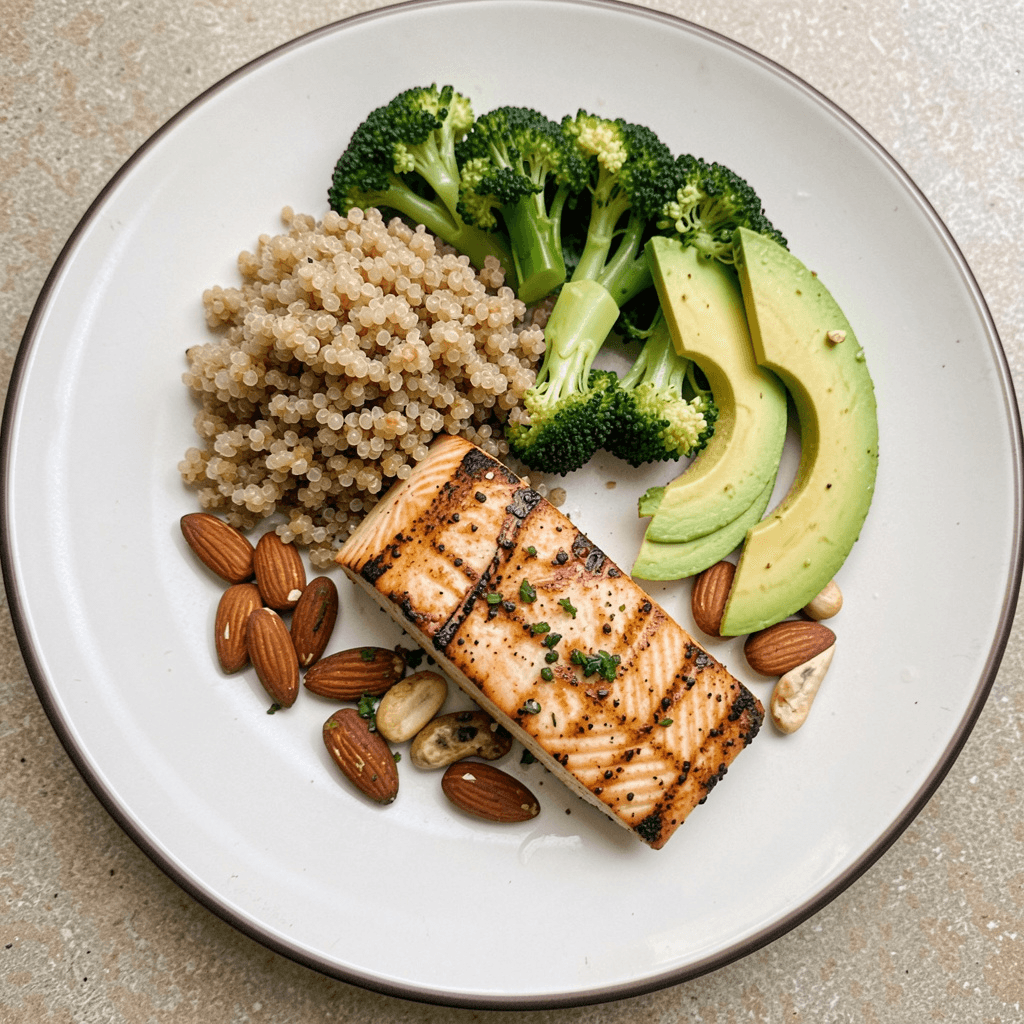
A simple day can look like Greek yogurt with berries and chia seeds at breakfast, chicken with quinoa and vegetables at lunch, an apple with almond butter as a snack, and salmon with sweet potato and broccoli at dinner. Each meal includes a mix of nutrients that digest at different speeds.
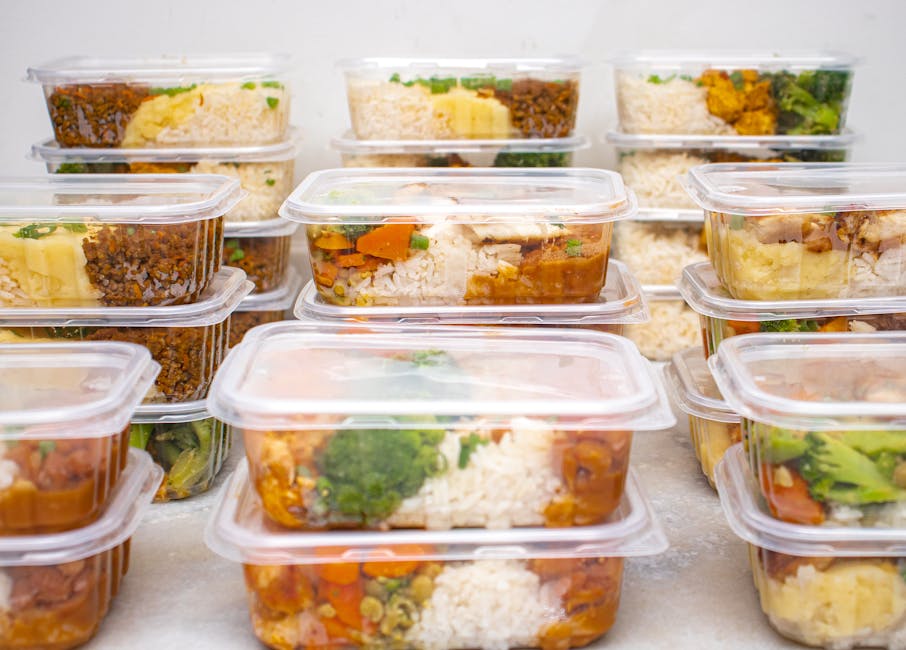
This pattern is easy to adapt to different preferences. Plant-based meals can use tofu, tempeh, beans, lentils, edamame, nuts, and seeds. Mixed meals can also follow the diabetes plate method by centering non-starchy vegetables, adding protein, and including a measured serving of quality carbohydrates.
That structure aligns with current guidance from the ADA and CDC, which both emphasize practical meal planning rather than rigid rules. The most useful plan is the one that is realistic enough to repeat.
The ADA Diabetes Plate uses a simple visual structure of non-starchy vegetables, protein, and quality carbohydrates.
CDC says a meal plan helps you get the nutrition you need and manage blood sugar levels more effectively.