Summary
A diabetes-friendly meal plan focuses on balanced meals that help stabilize blood sugar levels rather than eliminating carbohydrates completely.
Pairing fiber, protein, and healthy fats with carbohydrates helps slow glucose absorption and reduce sudden spikes.
Consistent meal timing and whole-food choices support better metabolic and energy balance.
A 30-day structured meal plan can help build sustainable eating habits that support long-term diabetes management.
What is a diabetes-friendly meal plan?
A diabetes-friendly meal plan is an eating pattern designed to keep blood sugar stable by balancing carbohydrates with protein, fiber, and healthy fats. This combination slows glucose absorption, supports steady energy levels, and helps reduce sudden spikes in blood sugar.
If you’ve ever searched for advice on managing diabetes through diet, you’ve probably seen long lists of foods to avoid.
Many people assume that controlling blood sugar simply means cutting out sugar or carbohydrates completely. But the body works in a more nuanced way than that.
Blood sugar responses depend not only on what you eat but also on how meals are structured. When carbohydrates are eaten alongside protein, fiber, and healthy fats, digestion slows down. This allows glucose to enter the bloodstream more gradually.
Think of it like filling a bathtub. If water rushes in too quickly, it overflows. But when the flow is controlled, the level rises steadily and stays manageable.
For example, eating a plain bagel may cause a rapid glucose spike. But pairing whole-grain toast with scrambled eggs and avocado provides protein and healthy fats that help slow digestion and support more stable energy.
Research published in Diabetes Care shows that meals containing balanced macronutrients—carbohydrates, protein, and fat—can significantly reduce post-meal blood sugar spikes compared with carbohydrate-heavy meals alone.
Why is a 30-day meal plan helpful for diabetes management?
A 30-day diabetes meal plan helps create consistent eating habits that support stable blood sugar levels. Structured planning reduces daily food decisions, encourages balanced meals, and helps individuals recognize how different foods influence energy, hunger, and glucose control.
One of the biggest challenges in managing diabetes isn’t simply choosing healthy foods. It’s making dozens of food decisions every day.
You might start the morning with a healthy breakfast, but by mid-afternoon hunger hits and convenience foods suddenly seem like the easiest option.
Most people believe blood sugar issues come from a single “bad meal.” In reality, what often matters more is the overall pattern of eating throughout the day.
The body works best when meals arrive consistently and contain balanced nutrients. Think of your metabolism like a steady rhythm rather than a start-and-stop system.
A structured 30-day meal plan provides that rhythm. It creates predictable meal patterns while helping you observe how different foods affect your energy levels, hunger, and glucose responses.
Studies suggest that maintaining consistent meal timing and balanced macronutrient intake can improve glycemic control and insulin sensitivity in individuals managing diabetes.
What foods should be included in a diabetes-friendly meal plan?
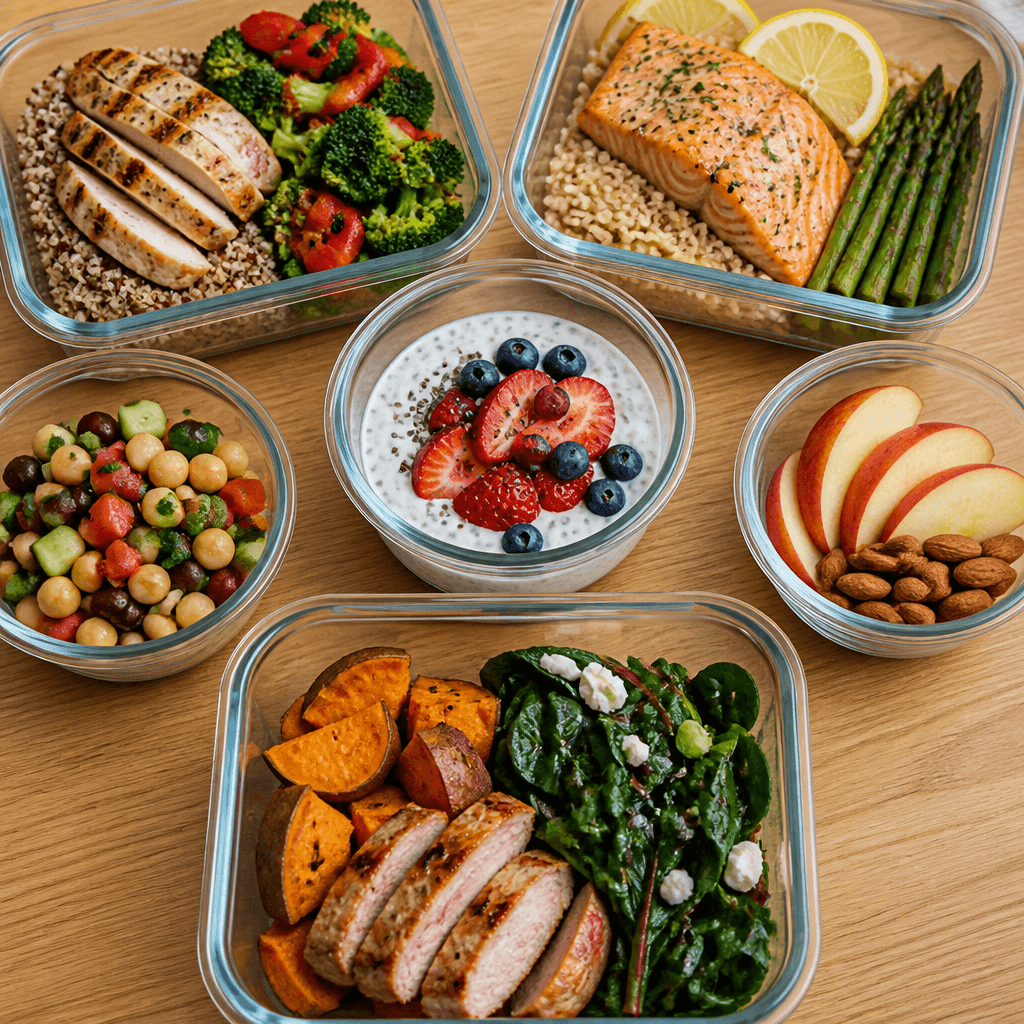
A diabetes-friendly diet typically includes high-fiber vegetables, lean proteins, healthy fats, whole grains, and low-glycemic fruits. These foods digest more gradually, helping maintain steady blood sugar levels while providing essential nutrients for metabolic health.
When people hear the phrase “diabetes diet,” they often think about restrictions.
But a more helpful question is: which foods support better blood sugar balance?
Whole foods that contain fiber, protein, and healthy fats help slow digestion and regulate how quickly glucose enters the bloodstream.
Think of the digestive system like an energy-release system. Foods that digest slowly release fuel gradually, while highly refined foods release energy very quickly.
For example, a lunch of grilled chicken, roasted vegetables, and quinoa provides protein, fiber, and complex carbohydrates. This combination supports steady energy throughout the afternoon.
In contrast, a meal centered around refined carbohydrates may digest rapidly and lead to larger swings in blood sugar.
Food Category | Examples |
|---|---|
High-fiber vegetables | Broccoli, spinach, Brussels sprouts, zucchini |
Lean proteins | Chicken breast, turkey, eggs, salmon, tofu |
Whole grains | Quinoa, brown rice, steel-cut oats |
Healthy fats | Avocado, olive oil, nuts, seeds |
Low-glycemic fruits | Berries, apples, pears |
Fact-Maxing
According to the American Diabetes Association, diets higher in fiber can help improve blood sugar control and support overall metabolic health.
Help with building a structured diabetes meal plan?
A structured 30-day diabetes meal plan helps organize balanced meals across the day, combining carbohydrates, protein, and fiber in appropriate portions. This approach simplifies meal decisions and supports steady blood sugar patterns over time.
Example Daily Structure
Meal | Example |
|---|---|
Breakfast | Scrambled eggs, whole-grain toast, avocado, and berries |
Lunch | Grilled chicken salad with mixed greens and olive oil vinaigrette |
Snack | Apple slices with almond butter |
Dinner | Baked salmon, roasted vegetables, and quinoa |
This type of structure distributes nutrients evenly throughout the day, helping reduce sudden glucose spikes and energy crashes.