
Summary
Food labels use vague, feel-good phrases like "heart healthy" and "no added sugar" that often hide small serving sizes, disguised added sugars, and lab-made "natural flavors."
Newer research shows dietary cholesterol doesn't significantly raise blood cholesterol for most people, while trans fats and ultra-processed "cholesterol-free" products are the bigger concern.
Refined carbs, industrial seed oils, artificial sweeteners, and emulsifiers are the real culprits behind insulin resistance and inflammation, and they're often marketed under healthy-sounding labels.
More than 88% of U.S. adults are considered metabolically unhealthy, and misleading food marketing plays a direct role, so reading ingredient lists and leaning on consistent tracking and support matters more than willpower alone.
Introduction: The Importance of Food Label Transparency for Health
Imagine this: you pick up a “low-fat” snack, believing it’s a healthy option. But a closer look reveals hidden sugars, artificial additives, and ultra-processed ingredients. You’ve just been duped by marketing.
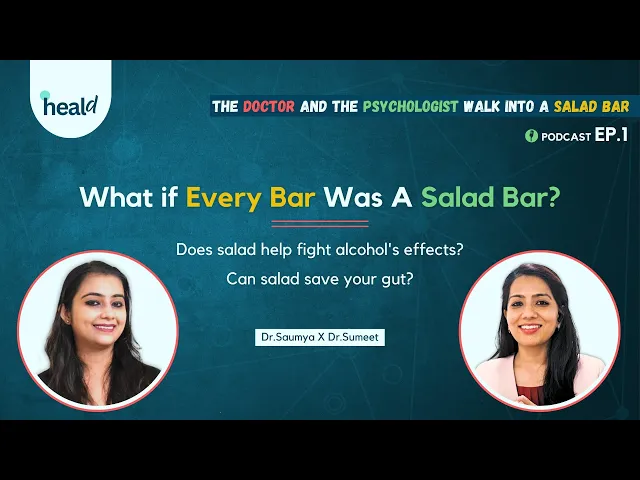
Curious how food choices affect both your mind and body? Watch Dr. Sumeet and Dr. Saumya break it down, one salad at a time, in this eye-opening conversation about food, health, and hidden truths:
This is the state of our food system. While harmful ingredients flood store shelves, the responsibility for health outcomes falls squarely on individuals. The truth? Most people aren’t equipped with the tools, or the time, to decode what they’re actually consuming.
In this blog, we dive into the misleading food labels, myths around cholesterol, and how misinformation feeds into the growing metabolic health crisis. More importantly, we explore what it takes to break free from it.
The Hidden Truths Behind Food Labels: Why Transparency Matters

Food packaging today is a masterclass in misdirection. “Heart healthy,” “natural,” “no added sugar”, these phrases sound promising but often conceal more than they reveal.
Here’s how:
Serving sizes are artificially small to make the numbers look better, but not all calories are created equal. Misleading labels often hide what truly matters.
Added sugars are hidden under dozens of aliases, brown rice syrup, maltodextrin, dextrose.
Natural flavors? That could mean lab-created chemicals.
A 2020 study in Frontiers in Psychology found that front-of-pack labeling often leads consumers to perceive unhealthy products as healthier than they are, a phenomenon known as the health halo effect.
What’s missing is clear, honest labeling that empowers people to make informed choices. Not marketing gimmicks.
Cholesterol Myths and Facts: What the Food Industry Doesn’t Tell You
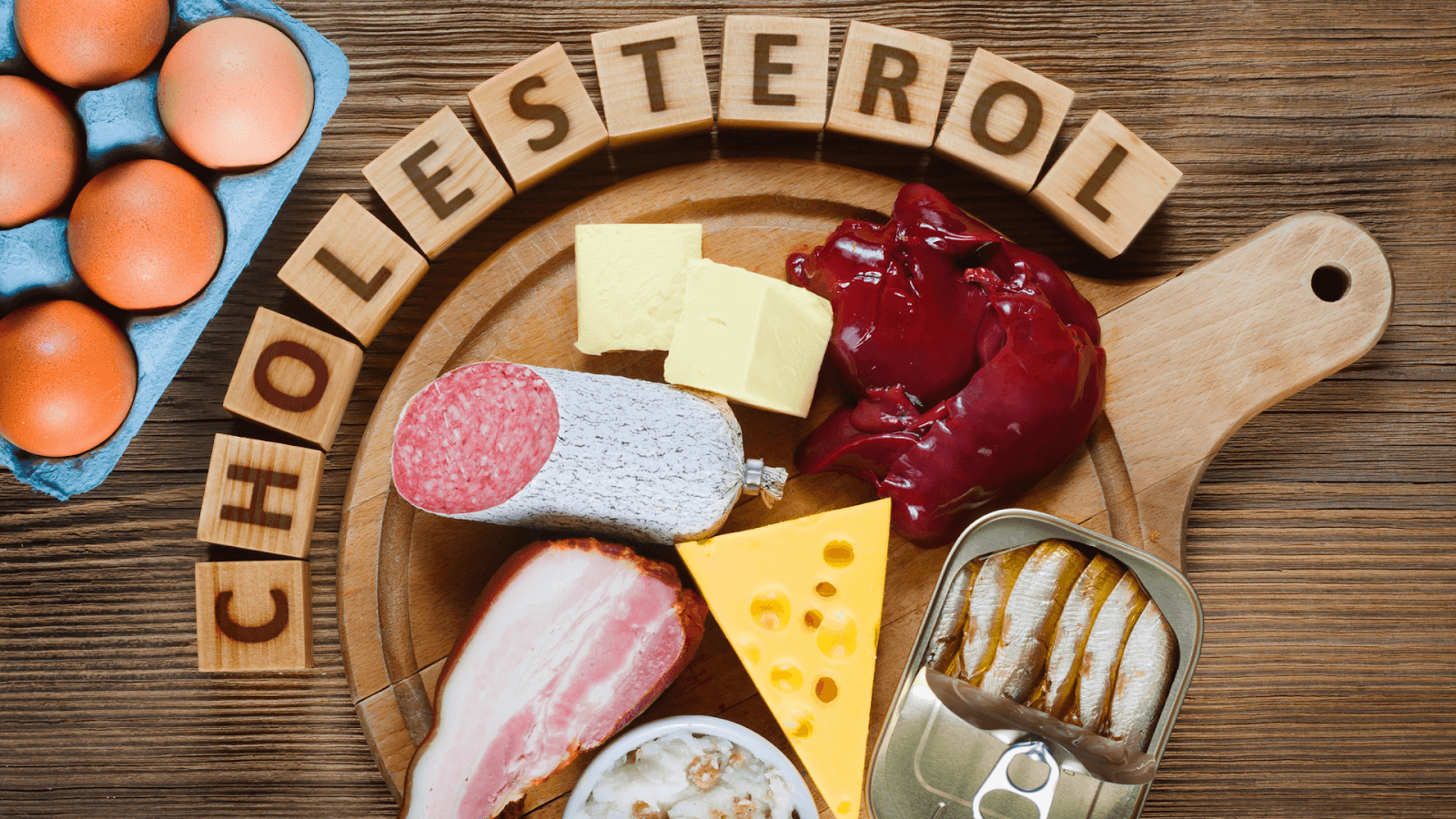
Decades of outdated science have painted cholesterol as the villain in heart health. But here’s what newer research says:
Dietary cholesterol doesn’t significantly raise blood cholesterol for most people.
Trans fats, commonly found in margarine, baked goods, and fried foods, are far more damaging.
Whole eggs, full-fat dairy, and meat from well-raised animals can actually be part of a nutrient-rich, balanced diet. The role of small dense LDL cholesterol in cardiovascular risk is far more important than total cholesterol alone.
A major BMJ review in 2015 confirmed that dietary cholesterol had no substantial link to cardiovascular disease in most people. Yet food labels still play into old fears, marketing ultra-processed “cholesterol-free” products as better, despite their poor nutrient profiles.
Harmful Ingredients in Processed Foods: What to Watch Out For
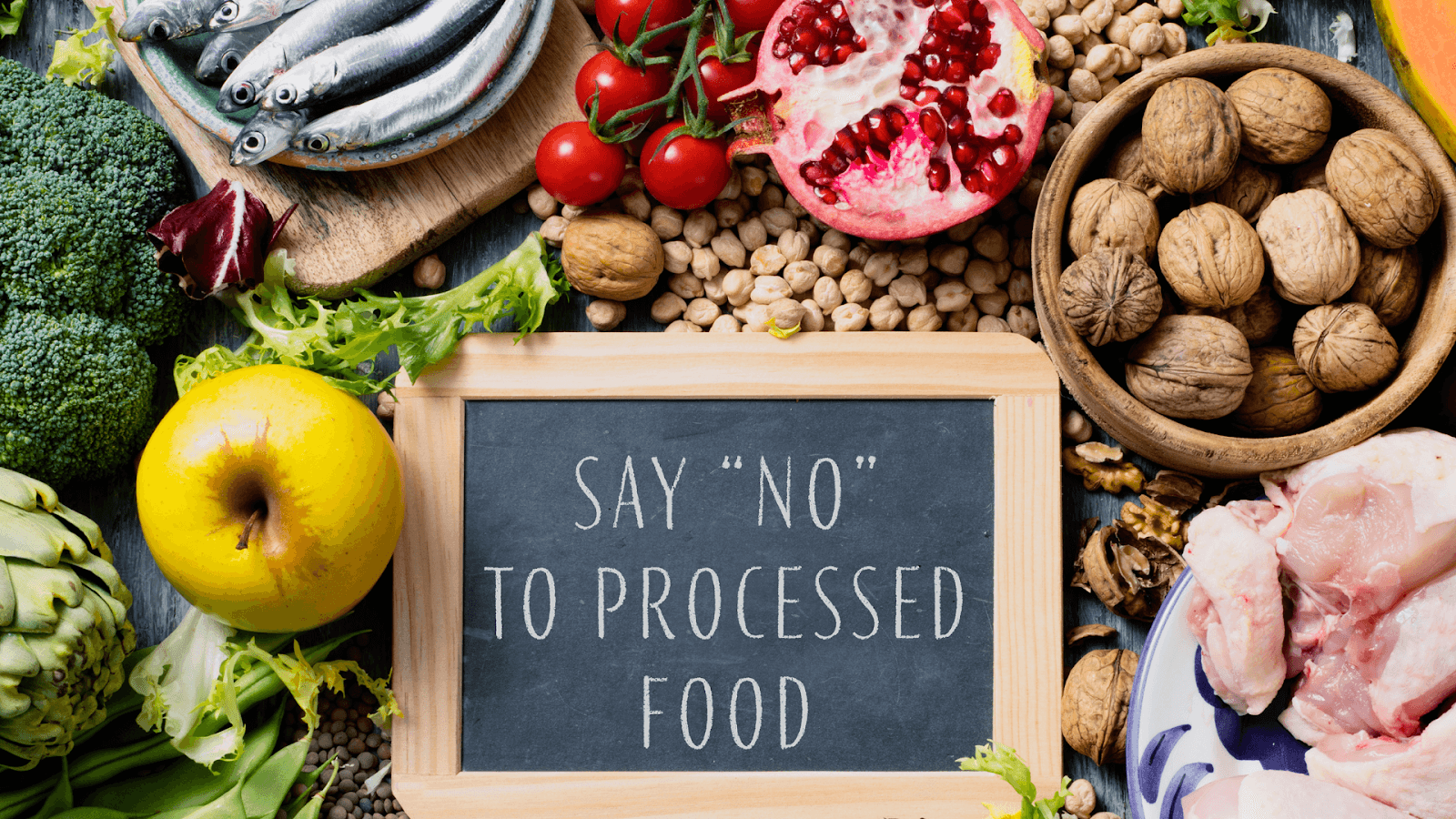
Let’s talk about villains. The real ones in our food system include:
Refined carbs and added sugars – Spike insulin and fuel fat storage.
Industrial seed oils, high in omega-6, are known to promote inflammation. The discussion around seed oils vs saturated fats is becoming increasingly important for informed dietary choices.
Artificial sweeteners – Disrupt gut microbiota and metabolic signals.
Emulsifiers and preservatives – Interfere with gut integrity and immune regulation.
A Nature Reviews Endocrinology study (2023) linked high intake of ultra-processed foods with insulin resistance, chronic inflammation, and higher risk of metabolic syndrome. These ingredients are cheap, hyper-palatable, and easy to overconsume, especially when packaged under "healthy" labels.
The Metabolic Health Crisis: How Misleading Food Marketing Contributes
More than 88% of U.S. adults are considered metabolically unhealthy (UNC, 2019). That's a staggering number. And misleading food marketing plays a direct role.
From "low-fat" cookies loaded with sugar to "whole grain" cereals with 10+ grams of added sweeteners, these products engineers trust while subtly undermining our health.
Even worse, many people genuinely want to make healthier choices, but without clear guidance and support, they get lost in the noise.
This is where systems that combine consistent tracking, education, and behavior change, rather than short-term fixes, can make a meaningful difference.
Reclaiming Your Health: Making Informed Food Choices for Better Metabolic Health

Restoring health in a world of food confusion takes more than willpower. It takes awareness, habit-building, and reliable feedback.
Here’s what that can look like:
Reading between the lines: Ingredient lists are more reliable than marketing claims.
Prioritizing real food: Fresh, whole, minimally processed options should form the base of your plate.
Creating consistency: When daily actions are supported by both technology and real human input, long-term lifestyle change becomes far more sustainable.
Reversing poor health in today’s food jungle takes more than willpower, it takes smart tools, honest feedback, and a sprinkle of consistency. That’s where the Heald app steps in. Think of it as your metabolic co-pilot: tracking your glucose in real time, decoding your sleep patterns, and serving up meal plans that actually match your life, whether you're vegan, low-carb, or just carb-curious.
With bi-weekly coach check-ins and friendly nudges from an AI assistant, It’s less about food guilt and more about reclaiming health without guilt, by building sustainable habits supported by food sense. For many, it’s the cheat code to navigating labels, dodging diet fads, and finally getting their health story straight, data-first, drama-free.
Conclusion: Demanding Honest Labeling for a Healthier Future
The truth is simple: We deserve to know what we’re eating. We deserve food labels that reflect the actual health impact of a product, not just the marketing strategy behind it.
Until that day comes, we can take action in our own lives: eat real food, question the label, and lean on support systems that help us make informed choices, especially in a world designed to distract us.
Because reversing the metabolic tide isn’t about willpower alone, it’s about better systems, better awareness, and a lot more honesty.