
Summary
Ultra-processed foods can reduce gut microbial diversity and increase gut permeability, letting bacterial endotoxins trigger systemic inflammation.
Because they're engineered to be hyper-palatable, ultra-processed foods override natural satiety signals, and one trial found people ate about 500 more calories per day on this diet, leading to weight gain and insulin resistance.
Regular consumption is linked to elevated CRP (an inflammation marker) and to higher risk of type 2 diabetes, cardiovascular disease, and neurodegenerative conditions like Alzheimer's.
Small, practical changes such as prioritizing whole foods, cooking at home, and checking ingredient lists can meaningfully lower these risks.
Ultra-processed foods are more than just a modern dietary convenience. While they’re often associated with weight gain, the deeper risks involve disruptions to gut health, metabolic function, and systemic inflammation. These hidden effects significantly increase the risk of chronic diseases such as diabetes, heart disease, and Alzheimer’s. In this blog, we explore how ultra-processed foods affect the body at a biological level and how small, sustainable dietary changes can have a lasting positive impact.
What Are Ultra-Processed Foods?
Ultra-processed foods are products formulated using industrial ingredients that are far removed from their original, whole food forms. These often include artificial additives, flavor enhancers, preservatives, sweeteners, and emulsifiers. Common examples include:
Sugary breakfast cereals
Packaged snacks and cookies
Soda and energy drinks
Instant noodles and ready-to-eat meals
Flavored yogurts and protein bars
Such products are engineered for palatability, shelf stability, and mass production, often at the expense of nutritional quality.
Disruption of Gut Health, Metabolism, and Inflammation
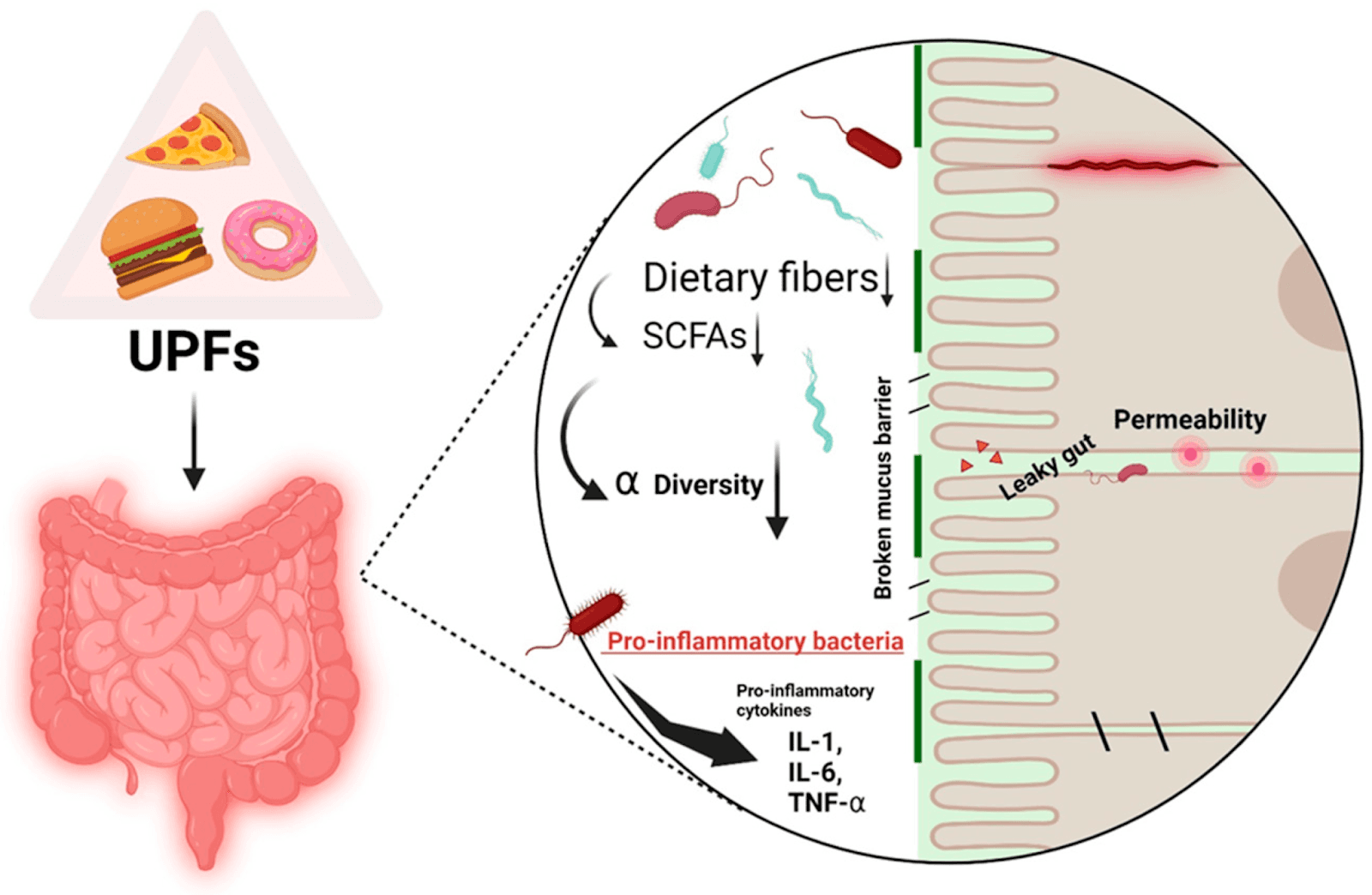
1. Gut Health: Impaired Microbiome and Barrier Function
The gut microbiome, a diverse community of trillions of microorganisms, plays a vital role in nutrient absorption, immune function, and inflammation regulation. Diets high in ultra-processed foods can significantly reduce microbial diversity and promote the growth of pro-inflammatory species.
A 2021 study published in Cell Metabolism found that diets rich in ultra-processed foods altered gut microbial composition and reduced microbial diversity. This disruption was associated with increased gut permeability, allowing bacterial endotoxins to enter the bloodstream and trigger systemic inflammation.
2. Metabolic Dysfunction: Appetite Dysregulation and Insulin Resistance
Ultra-processed foods are engineered to be hyper-palatable, overriding the body’s natural satiety signals. Their rapid digestibility and high glycemic load lead to blood sugar spikes and crashes, promoting overconsumption and metabolic imbalances.
In a randomized controlled trial conducted by the National Institutes of Health, participants who consumed ultra-processed foods ate approximately 500 more calories per day compared to those on an unprocessed diet, despite having matched calorie and macronutrient compositions. This led to significant weight gain and metabolic disruption over just two weeks.
3. Inflammation: A Chronic Underlying Threat
Chronic low-grade inflammation is a major contributor to numerous non-communicable diseases. Ultra-processed foods contribute to this inflammatory environment through several mechanisms, including excess sugar intake, omega-6 fatty acids from seed oils, and artificial additives that may trigger immune responses.
Studies have shown that diets high in ultra-processed foods are positively associated with elevated C-reactive protein (CRP) levels, a key biomarker of systemic inflammation. Chronic inflammation is a known precursor to insulin resistance, endothelial dysfunction, and cognitive decline.
The Long-Term Health Impact: Beyond the Gut
Diabetes: Insulin resistance promoted by ultra-processed food intake increases the risk of developing Type 2 diabetes.
Cardiovascular Disease: A prospective cohort study published in BMJ (2019) found a 12% increase in cardiovascular disease risk for every 10% increase in the proportion of ultra-processed foods in the diet.
Neurodegenerative Conditions: Chronic inflammation and insulin resistance, both linked to ultra-processed food consumption, have been implicated in the pathogenesis of Alzheimer’s disease.
How to Reduce Risk: Practical Dietary Interventions
Prioritize Whole Foods: Focus on foods with minimal ingredients, fruits, vegetables, legumes, whole grains, and lean proteins.
Avoid Ingredient Overload: If a food product contains more than five ingredients or includes unfamiliar chemicals, it is likely ultra-processed.
Cook More at Home: Preparing meals at home allows better control over ingredients and portion sizes.
Stay Hydrated with Water: Replace sugary beverages with water or unsweetened herbal teas.
Leverage Technology: Tools like the Heald app allow users to scan barcodes and evaluate the nutritional and metabolic impact of packaged foods. This empowers individuals to make informed dietary decisions based on their health goals.
Conclusion: A Science-Backed Shift Toward Better Health
Ultra-processed foods are not just a concern for weight management, they pose measurable threats to gut health, metabolic integrity, and inflammation regulation. The cumulative effect of regular consumption can lead to serious long-term health consequences. However, by understanding the risks and making gradual, evidence-based changes to dietary habits, individuals can significantly reduce their exposure and protect their health.
Take informed decisions and understand what’s on your plate. Use tools like the Heald app to evaluate the real impact of packaged food on your body.