Summary
A single finger-prick reading only captures one moment, but blood sugar shifts constantly with food, activity, stress, sleep, and hormones.
Glycemic variability, the ups and downs between readings, is linked to oxidative stress and inflammation and can carry hidden risks even when A1C looks normal.
Continuous glucose monitoring (CGM) tracks glucose 24/7, helping people spot patterns and triggers from specific foods, workouts, and stress in real time.
Pairing a CGM with an app that logs food, mood, sleep, and movement turns raw data into clear, actionable next steps instead of guesswork.
Let’s say you’re watching a movie, but someone only lets you peek for 10 seconds. Can you truly understand the story? Probably not. Now, think of your blood sugar as that movie and a single glucose reading as your 10-second preview. Spoiler alert: it doesn’t show you the whole plot.
In the world of diabetes care, one or two glucose readings are like Polaroids, they capture a single moment in time. But your blood sugar isn’t a still image. It’s a dynamic, ever-changing character influenced by food, activity, stress, sleep, hormones, and more. That’s why continuous glucose monitoring (CGM) is transforming how people understand and manage their metabolic health.
The Limitations of Single Glucose Readings: A Snapshot vs. Continuous Insight
Traditional finger-prick tests, while useful, only give you a glucose value for that specific instant. Imagine testing your blood sugar before lunch, it might be 95 mg/dL. But what if that reading spikes to 160 an hour later? Or crashes to 60 by dinner?
These ups and downs, called glycemic variability, are key indicators of long-term metabolic health. According to a 2019 study published in Diabetes Technology & Therapeutics, increased glycemic variability is strongly associated with oxidative stress and inflammation, which may contribute to complications like cardiovascular disease and neuropathy, even when A1C appears controlled.
In short: a stable A1C with volatile day-to-day glucose swings can still mean hidden risks.
The Power of Continuous Glucose Monitoring: A Deeper Understanding of Blood Sugar
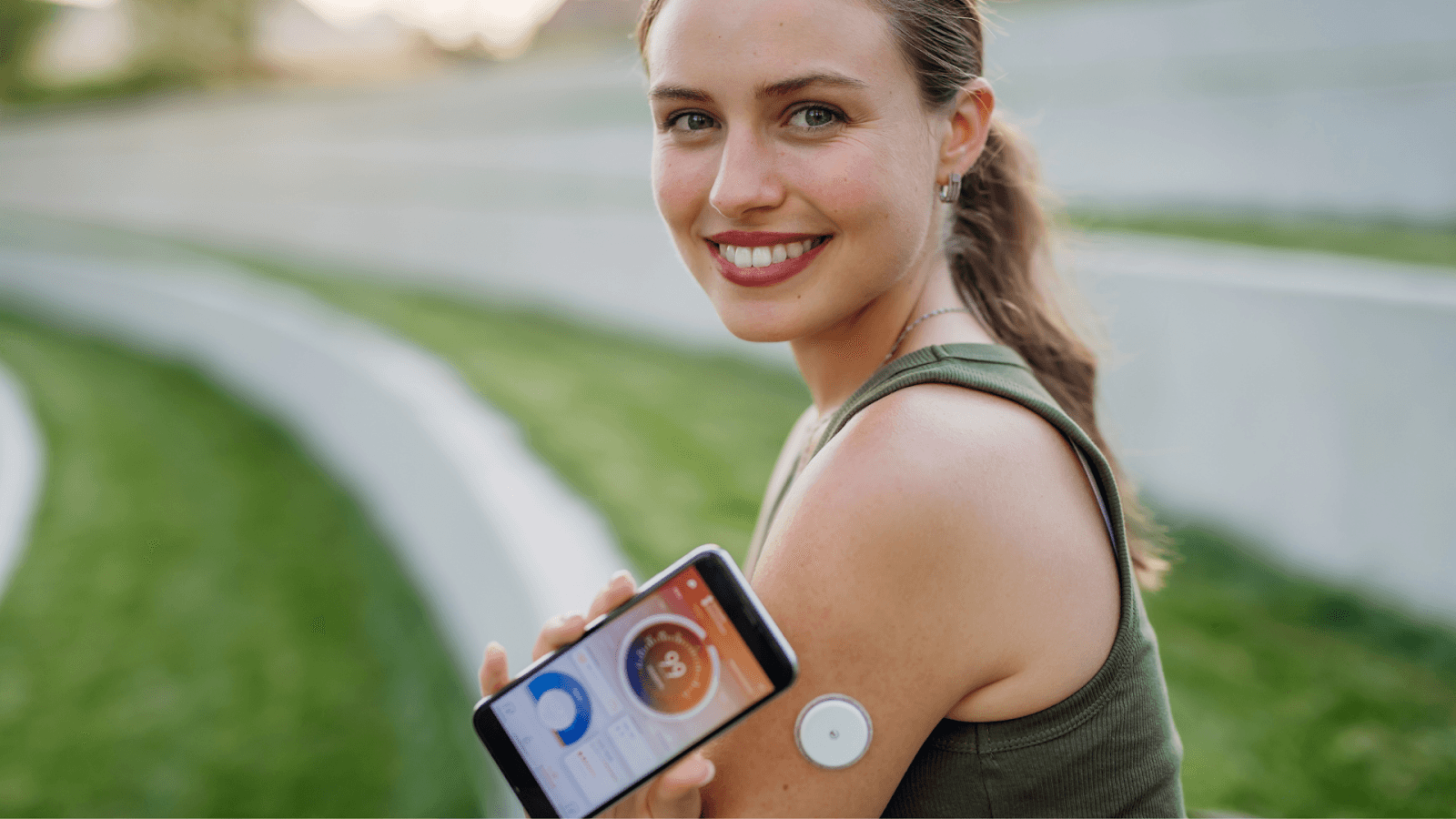
Enter Continuous Glucose Monitoring (CGM), a small sensor worn on your arm or abdomen that checks your glucose levels 24/7. No more guessing. No more “Was it the oats or the stress?” confusion.
With CGM, you can:
Watch glucose trends in real-time
Spot patterns - like dips after intense workouts or spikes from "healthy" granola bars
Identify triggers - like late-night snacking or stress from a work meeting
Take immediate action before things get out of hand
In a 2020 randomized clinical trial published in JAMA, adults with Type 2 diabetes using CGMs had significantly improved glycemic control compared to those using standard blood glucose meters. The researchers concluded that continuous feedback helped users make better lifestyle and medication decisions in real time.
How CGM Helps You Track Responses to Food, Exercise, and Stress
You and your friend both ate a few slices of pepperoni pizza, but your glucose spiked by 50 points, while theirs barely budged? That’s personalization in action. A CGM helps you understand how your body responds to foods, especially complex ones like pizza that combine carbs, fats, and protein. Because the glycemic response isn’t one-size-fits-all.
The same goes for exercise. Some workouts (especially high-intensity) can temporarily raise glucose levels due to adrenaline release, while others, like a brisk walk after meals, can help lower them. Without continuous tracking, these nuances are nearly impossible to catch.
And let’s not forget stress, that sneaky, invisible culprit. Cortisol, the stress hormone, increases glucose levels by prompting the liver to release stored sugar. You might blame the carbs, but it was actually your boss’s last-minute email.
Using a Continuous Glucose Monitor with an App: Simplifying Diabetes Management
Pairing your CGM with a user-friendly app (like the one we offer at Heald app ) makes data digestible, actionable, and even a little addictive (in a good way). Visual graphs, trend lines, real-time alerts, and daily insights help you make smarter decisions effortlessly.
Want to test how your body reacts to oatmeal vs. eggs? Or see if walking post-lunch really helps? The app lets you log food, mood, sleep, and movement, then shows how each factor influences your blood sugar. This feedback loop helps you build sustainable habits, not guesswork.
Understanding How Blood Glucose Levels Respond to Stress and Exercise
Stress
Even if you eat “clean,” your glucose can spike due to stress. A study in Psychosomatic Medicine showed that people under acute stress had significantly higher glucose levels than those who were calm, even when eating the same meal. It’s not just what you eat; it’s how you feel.
Exercise
On the flip side, regular moderate-intensity activity improves insulin sensitivity and glucose control. But without CGM, you wouldn’t know how much of a drop a 20-minute walk after dinner actually gives you.
Conclusion: Gaining Better Control Over Diabetes Through Continuous Monitoring
Here’s the truth: your blood sugar story deserves more than a single snapshot. CGM lets you binge-watch the full movie, understanding every plot twist, every subplot, and every climax. With it, you can stop reacting and start predicting.
Instead of asking, “Why did my sugar spike?” you’ll start asking, “How can I prevent this next time?”
That’s real control. And it’s not just for people with diabetes—many proactive individuals with prediabetes or excess weight are now using CGMs to optimize their metabolic health, improve energy levels, and support long-term longevity.
Ready to discover your unique glucose story?
Take the guesswork out of your health journey, download the Heald app and connect with a CGM to get the full picture.