Summary
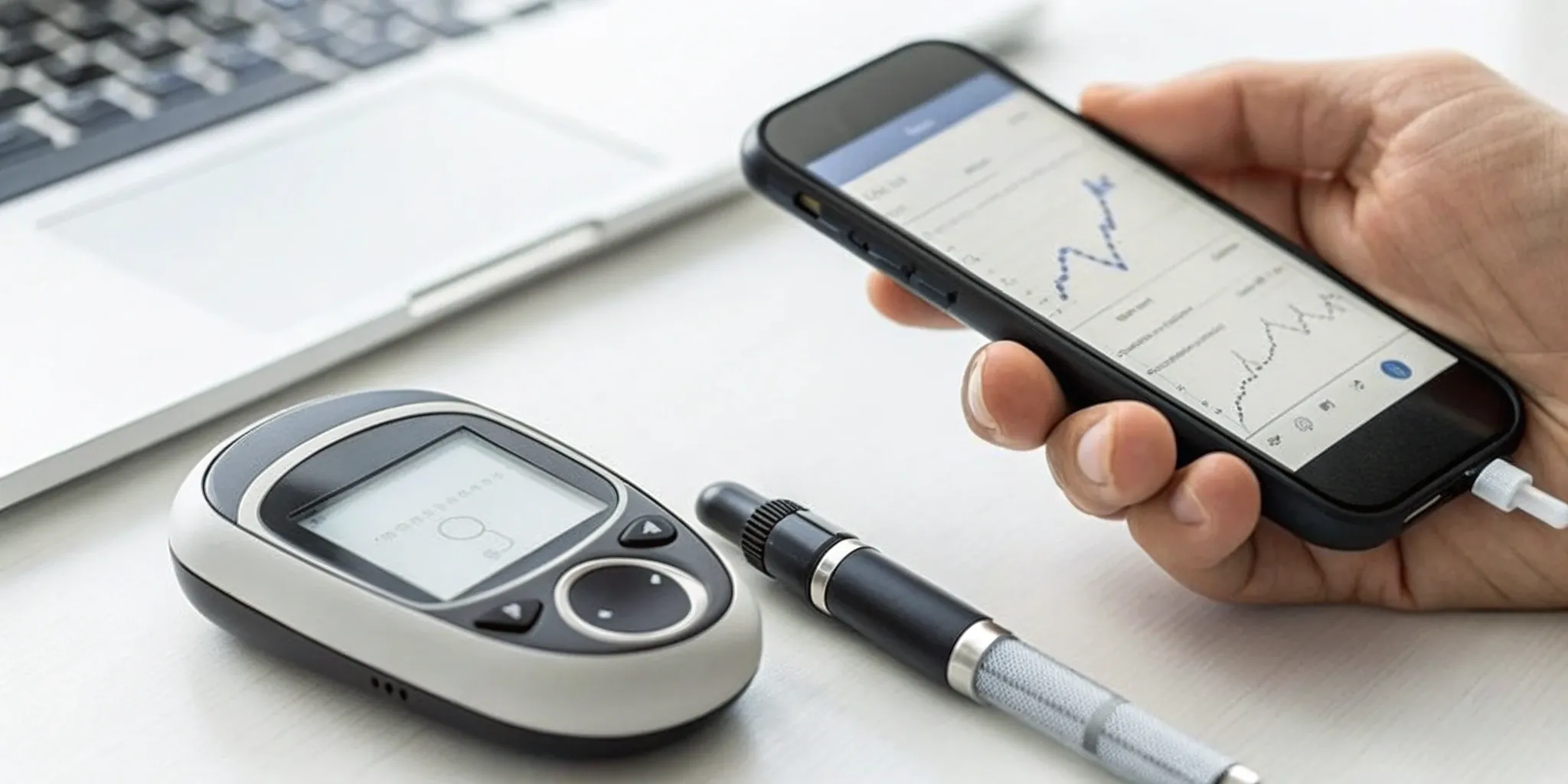
A CGM-based program pairs continuous glucose monitor data with expert coaching from nutritionists, coaches, and physicians so the numbers turn into a personalized, actionable health plan.
Wearing a CGM lets you see in real time how specific foods, activity, sleep, and stress affect your glucose, replacing generic advice with feedback based on your own body.
The real value comes from using that cause-and-effect feedback to build lasting habits, not just from watching the numbers.
Choosing a CGM (such as Dexcom, Abbott FreeStyle Libre, or Medtronic Guardian) matters less than pairing the device with a program and care team that helps you interpret the data and turn it into consistent action.
Generic, one-size-fits-all advice rarely works for managing type 2 diabetes because your body is unique. A food that spikes your glucose might have little effect on someone else. This is why understanding your personal metabolic response is so critical. A cgm based diabetes program acts as a translator for your body, using a continuous glucose monitor to reveal exactly how you respond to different foods, activities, and even stress. This personalized data becomes the foundation for a health plan that is truly yours, moving beyond frustrating guesswork and empowering you to make choices that are right for your body.
Key Takeaways
Focus on the program, not just the device: A CGM provides valuable data, but a structured program with expert coaching is what helps you turn that information into a meaningful, personalized health plan that actually works for you.
Learn your body’s unique patterns: Use the real-time feedback from your CGM to see exactly how specific foods, activities, and even stress affect your glucose, allowing you to move past generic advice and discover what your body truly needs.
Turn insights into lasting habits: The goal isn't just to watch your numbers; it's to use the clear cause-and-effect feedback to reinforce positive behaviors, build consistency, and create a healthier routine that sticks for the long term.
What Is a CGM-Based Diabetes Program?
If you’re tired of the guesswork that comes with managing type 2 diabetes, a CGM-based program might be the partner you’ve been looking for. Think of it as a system that gives you a direct line of communication with your body. At its core, the program uses a continuous glucose monitor (CGM), a small device that tracks your glucose levels around the clock, giving you a constant stream of information instead of just a few snapshots a day.
But a CGM-based program is much more than just a piece of technology. It’s a comprehensive approach that pairs that real-time data with personalized support. At Heald, we combine your unique glucose patterns with expert guidance from nutritionists, coaches, and physicians. This way, the information from your CGM becomes a powerful tool, helping you and your care team make informed decisions about your nutrition, activity, and overall lifestyle. It’s about turning data into a clear, actionable plan that’s designed specifically for you.
How Do Continuous Glucose Monitors Work?
A continuous glucose monitor is a small but mighty device that gives you a constant look at your glucose levels. It works using three main parts: a tiny sensor inserted just under your skin (usually on your arm or belly), a transmitter attached to the sensor, and a receiver. Your smartphone often acts as the receiver, displaying your glucose data in real time.
Unlike a traditional fingerstick test, which gives you a single reading, a CGM provides a continuous stream of information. This lets you see not just where your glucose is, but where it’s heading. It’s important to know there can be a slight delay of five to 15 minutes in the readings, as the sensor measures glucose in the fluid between your cells, not directly in your blood. Still, this constant feedback loop is what makes the technology so powerful for making daily decisions.
The Role of CGMs in a Complete Health Plan
A CGM is an incredible tool, but its true power is unlocked when it’s part of a complete health plan. The data it provides is the foundation for building sustainable habits that can lead to real change. When you can see exactly how a meal, a walk, or a stressful meeting affects your glucose, you can start connecting the dots between your actions and your health.
This information helps you and your care team make precise adjustments to your lifestyle. Clinical studies show that using a CGM can lead to improved glycemic outcomes, meaning you spend more time with your glucose in a healthy range. This data-driven approach helps prevent or delay serious health problems, giving you the confidence to take charge of your diabetes management and work toward your long-term wellness goals.
Clearing Up Common Myths About CGM Programs
As with any new technology, there are a few common misconceptions about CGM-based programs. Let’s clear them up so you can move forward with confidence.
One common myth is that a CGM completely replaces fingerstick tests. While a CGM significantly reduces the need for finger pricks, you may still need them occasionally to calibrate your device or to double-check a reading that seems off. Think of it as a way to ensure your technology is always giving you the most accurate information.
Another myth is that technology alone will solve all your diabetes challenges. A CGM is a powerful tool, but it works best when paired with your own knowledge and expert guidance. The data is just one piece of the puzzle. The real, lasting change happens when you use that data to understand your body’s unique patterns and work with a care team to build a personalized plan that fits your life.
Why CGM Programs Are a Game-Changer for Diabetes Management
If you’ve been managing type 2 diabetes with finger pricks, you know the routine. You get a single snapshot of your glucose at one moment in time, but you miss the whole story of what happens between those checks. A continuous glucose monitor (CGM) changes everything. It’s a small, wearable sensor that tracks your glucose levels 24/7, sending the data right to your phone. When you pair this technology with a structured program, it becomes more than just a data stream; it becomes your personal guide to better health.
A CGM-based program uses this constant flow of information to help you connect the dots between your daily choices and your body’s response. You’re no longer just reacting to a high or low number hours after the fact. Instead, you can see trends as they happen, giving you the power to make proactive adjustments. This shift from a reactive to a proactive mindset is fundamental. It’s about understanding your body on a deeper level and using that knowledge to build a lifestyle that supports your long-term health goals, moving you from managing a condition to truly taking control of your well-being.
See Your Glucose in Real-Time to Stay Ahead
Imagine knowing exactly how your body is responding to your breakfast as you’re heading into a morning meeting. That’s the power of real-time data. A CGM gives you a constant, live feed of your glucose levels, which means you can spot a potential spike or dip before it becomes a problem. The American Diabetes Association notes that CGMs have made managing diabetes much simpler because you can check your levels with a quick glance at your phone. This immediate feedback allows you to make small, in-the-moment adjustments, like taking a short walk after a meal, to keep your glucose stable and stay ahead of the curve.
Replace Guesswork With Data-Driven Decisions
For too long, managing diabetes has involved a lot of guesswork. You eat something and hope for the best, waiting until your next finger prick to see the result. A CGM replaces that uncertainty with clear, actionable data. You can see precisely how different foods, exercises, and even stress levels affect you. This detailed information helps you and your care team make much smarter decisions about your health plan. Instead of following generic advice, you can tailor your choices to what your body is actually telling you. It’s the difference between following a paper map and using a live-traffic GPS.
Discover Your Body’s Unique Patterns
No two people are the same, and your diabetes is as unique as you are. A food that causes a sharp glucose spike for one person might have a minimal effect on another. A CGM acts like a window into your body’s unique metabolic patterns, helping you understand your personal responses. One writer described her experience using a CGM as a way to ease stress and improve her sense of control over what can feel unpredictable. By observing your data, you’ll learn which meals fuel you best, how a brisk walk impacts your afternoon, and what effect a poor night's sleep has on your morning glucose. This personalized insight is key to finding what truly works for you.
Use Your Data to Build Habits That Last
Data is only powerful when you use it to drive action. The real magic of a CGM program happens when you use the feedback to build healthier, sustainable habits. Seeing your glucose line stabilize after a walk provides instant positive reinforcement, making you more likely to do it again. This direct cause-and-effect feedback loop is a powerful tool for behavior change. Research shows that people who actively engage with a CGM-based program see significantly improved blood sugar control and weight loss. It’s not about a quick fix; it’s about using your personal data to make small, consistent changes that add up to a major transformation in your health.
How to Choose the Right CGM for You
Picking a continuous glucose monitor (CGM) can feel like a big decision, but it’s an exciting step toward understanding your body on a deeper level. The right device for you will depend on your lifestyle, budget, and personal preferences. While there are several great options on the market, the most important thing isn’t the brand name on the box. It’s how you use the information it gives you. A CGM is a powerful tool, but it becomes truly transformative when paired with a program that helps you turn its data into lasting habits.
Think of the CGM as your personal health detective. It gathers clues about how your body responds to food, exercise, stress, and sleep. A comprehensive program, like the one we’ve built at Heald, provides the expert guidance to help you solve the mystery. Your care team acts as your partner, helping you connect the dots between your glucose levels and your daily choices. Together, you’ll use this real-time feedback to create a personalized plan that works for you. So, as we explore the options, remember that the goal is to find a device that fits seamlessly into your life and connects you with the support you need to achieve your health goals.
A Quick Look at Top CGM Brands
When you start looking into CGMs, you’ll likely come across a few key names. The most common systems in the U.S. are the Dexcom G6, Abbott’s FreeStyle Libre family, and Medtronic’s Guardian sensors. Each of these brands offers a reliable way to track your glucose levels without the constant need for fingerpricks. Instead of giving you a single snapshot in time, these devices provide a continuous stream of data, showing you the full picture of your glucose trends throughout the day and night. This visibility is what makes a CGM such a powerful tool for managing your metabolic health.
Comparing Accuracy and User Experience
Modern CGMs are incredibly accurate, giving you and your care team reliable data to make informed decisions. For example, studies have shown that devices like the Dexcom G6 are effective at improving A1C and increasing the amount of time your glucose stays in a healthy range. Beyond accuracy, you’ll want to consider the user experience. Think about things like: How long does the sensor last? Is the application process simple? Does it need to be calibrated with a fingerprick? The goal is to find a device that feels comfortable and easy to manage, so it can become a seamless part of your routine.
Understanding Costs and Insurance Coverage
The cost of a CGM can vary quite a bit, and it’s often determined by your health insurance plan. Many providers, including Medicare, now offer coverage for CGM systems, but they often have specific eligibility requirements. It’s always a good idea to check with your insurance provider to understand what’s covered. You can also use funds from a Flexible Spending Account (FSA) or Health Savings Account (HSA) to pay for your device and supplies. When you join a program like Heald, our team can help you figure out the best path forward for your specific situation.
Connecting Your CGM to Apps and Your Care Team
A CGM system typically has three parts: a small sensor worn on your body, a transmitter that sends the data, and a receiver, which is usually your smartphone. The real magic happens when your CGM data flows directly into an app, where it can be analyzed alongside your meals, activity, and sleep patterns. This is where a standalone device becomes part of a complete health solution. By sharing this information with your dedicated care team, you get personalized feedback and support in real time. It’s this combination of technology and human expertise that helps you turn insights into action.
What to Expect When You Start a CGM Program
Starting with a continuous glucose monitor (CGM) can feel like a big step, but it’s one of the most empowering moves you can make for your health. Think of it less as a medical device and more as a personal translator for your body. For the first time, you’ll get a direct, real-time look at how your food choices, activity levels, sleep, and stress impact your glucose. It’s a powerful tool that replaces guesswork with clear, actionable information.
The first few weeks are a period of discovery. You’ll learn to apply the sensor, get comfortable with the data stream, and start connecting the dots between your daily habits and your body’s responses. It’s normal to feel a mix of excitement and maybe a little uncertainty. That’s why having a dedicated support system is so important. A good program won’t just hand you a device and a data chart; it will provide a team to help you interpret the information and turn those insights into sustainable, healthy habits that fit your life.
Getting Started: Setup and Support
Your first step is getting the CGM itself. This process is much simpler than it sounds, especially when you have a team to guide you. Once you’re enrolled in a program, your care team will help you with the logistics, from placing the order to navigating any necessary authorizations. The device itself consists of a small sensor that you apply to the back of your arm or your abdomen. It’s a straightforward process, and you’ll get clear instructions to make sure you do it correctly. You won’t be left to figure it out alone; your coaches and specialists are there to walk you through every step, ensuring you feel confident from day one.
Making Sense of the Data (Without Feeling Overwhelmed)
Seeing a constant stream of glucose data for the first time can feel like drinking from a firehose. But you’re not just looking at numbers; you’re learning your body’s unique language. A CGM provides incredibly detailed information about your glucose trends, showing you exactly how your body reacts to a meal or a workout. Instead of feeling overwhelmed, your care team will help you focus on what matters. They’ll teach you how to spot patterns and connect your daily actions to the data on your screen. The goal isn’t to chase perfect numbers but to understand your personal responses and make informed decisions that move you toward your health goals.
Getting Comfortable With Your New Device
Let’s be honest: wearing something new on your body takes a little getting used to. Some people report a bit of initial discomfort or are simply very aware of the sensor at first. Modern CGMs are designed to be small, discreet, and comfortable for everyday life, including showering, sleeping, and exercising. Any irritation at the application site is usually minor and temporary. Your care team can offer tips for placement and skin care to make the experience as smooth as possible. Within a few days, most people say they forget it’s even there. The incredible insights you gain will quickly outweigh any initial awkwardness.
Your First Few Weeks: What It’s Really Like
The first couple of weeks with your CGM are all about observation and learning. It’s common to feel a little curious at first, checking your levels frequently to see the immediate cause and effect of your choices. This initial curiosity is a good thing. It’s during this time that you’ll have your biggest “aha!” moments. You might discover that your morning oatmeal spikes your glucose more than you thought, or that a 15-minute walk after dinner works wonders for stabilizing it. This period transforms abstract health advice into concrete, personal feedback, giving you a powerful sense of control over your well-being.
How to Get the Most Out of Your CGM Program
A continuous glucose monitor (CGM) is more than just a piece of tech; it’s a powerful tool for understanding your body. But like any tool, its real value comes from how you use it. Simply wearing a CGM won't automatically change your health. The magic happens when you actively engage with the data, connect with your support system, and use the insights to build healthier habits. Think of it as having a personal health dashboard. It gives you the information, but you’re still the one in the driver's seat. By taking a proactive approach, you can turn a stream of data into a clear path toward your health goals. Here’s how to make your CGM program work for you.
Set Realistic Goals and Track What Matters
Your CGM gives you a constant stream of information, which can feel like a lot at first. The key is to focus on what matters most for your goals. Instead of aiming for perfect numbers overnight, start with small, specific targets. Maybe your first goal is to see how your favorite breakfast affects your glucose, or to keep your levels stable during your afternoon walk. A CGM helps you see if your blood sugar is trending too high or too low, allowing you to take action quickly and prevent a serious spike or dip. By setting achievable goals, you can build momentum and turn small wins into lasting, positive changes for your metabolic health.
Pair Your Data With Personalized Coaching
Data is great, but data with expert guidance is even better. A personalized coaching program helps you translate your CGM numbers into meaningful action. A coach can help you connect the dots between your meals, activity, stress levels, and glucose patterns in a way that an app alone can’t. For example, if your blood sugar is consistently high after lunch, a coach can help you troubleshoot your meal choices and find alternatives that work for your body. Some programs even have a coach reach out to you if your readings are out of range, providing support exactly when you need it. This partnership turns raw data into a personalized, actionable plan.
Stay on Track With the Right Support System
Managing your health is a journey, and having a solid support system makes all the difference. This includes your digital platform, your care team, and even a community of peers. Staying engaged is crucial for success. In fact, studies show that high engagement with a digital health program and its coaches is linked to better results, including more significant weight loss. Your support system is there to provide accountability, answer questions, and offer encouragement when you feel stuck. Leaning on these resources helps you build consistency and turn new behaviors into ingrained habits that stick for the long haul.
Partner With Your Care Team for the Best Results
Your CGM is a collaborative tool that works best when it’s integrated into your overall health plan. Sharing your data with your entire care team, including your doctor, nutritionist, and health coach, allows everyone to be on the same page. This comprehensive view helps your team make more informed decisions about your care, from fine-tuning your nutrition plan to adjusting medications if necessary. Think of your care team as your personal board of directors for your health. By working together, you can ensure your CGM data is used to its full potential, creating a holistic strategy that supports your goals and puts you in control of your diabetes management.