Summary
People with type 2 diabetes are about 50% more likely to experience hair loss, often due to hormonal imbalances like insulin resistance and thyroid dysfunction, nutritional deficiencies, poor circulation, and chronic stress.
Early hair thinning or balding, especially androgenetic (pattern) hair loss, may even be an early warning sign of insulin resistance or undiagnosed diabetes.
Keeping blood sugar stable through low-glycemic foods and regular exercise is the foundation for preventing further hair loss and supporting regrowth.
Getting enough protein, iron, and vitamin D, managing stress, caring for your scalp, and consulting a dermatologist or endocrinologist for significant hair loss can all help address the underlying causes.
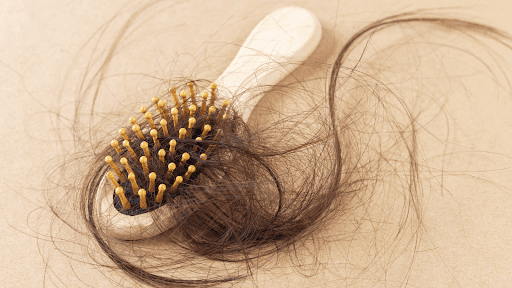
Hair loss isn't just a cosmetic issue—it's personal, emotional, and often distressing. Running your fingers through your hair, you notice more strands falling than usual, and a panic sets in. When type 2 diabetes enters the equation, the mystery deepens. But is diabetes the real cause of thinning hair? Why does this happen? More importantly, what can you do to prevent it? Let’s untangle this knot and uncover the link between type 2 diabetes and hair loss, and how you can regain your crowning glory.
Understanding Hair Loss in Diabetes
Before jumping to conclusions, it's important to understand how hair grows and what could disrupt this natural process. Hair growth follows a defined cycle:
Anagen (Growth Phase): The phase when your hair is actively growing.
Telogen (Rest Phase): A period of rest before hair begins to shed.
Exogen (Shedding Phase): Old hair falls out to make way for new growth.
When everything works as it should, your hair stays thick, healthy, and vibrant. However, diabetes, with its impact on blood sugar, hormones, and circulation, can throw a wrench into the process. Here’s the kicker: people with type 2 diabetes are 50% more likely to experience hair loss compared to those without it. It's not just about thinning hair; diabetes can also slow hair regrowth, leading to noticeable bald patches and reduced volume over time.
What Causes Hair Loss in Type 2 Diabetes?
1. Hormonal Imbalance: The Great Disruptor
Hormones control several bodily processes, including hair growth. In diabetes, this regulatory system can malfunction, leading to hair thinning and loss.
Insulin Resistance: With type 2 diabetes, the body becomes resistant to insulin, leading to an imbalance in hormones, including increased levels of androgens (male hormones). These excess androgens shrink hair follicles, causing a condition called androgenetic alopecia (pattern hair loss).
Thyroid Dysfunction: Thyroid problems often coexist with diabetes. An underactive thyroid (hypothyroidism) can slow down hair growth and make strands brittle.
Did you know? Research shows that people with type 2 diabetes are more likely to develop androgenetic alopecia, especially those with early-onset diabetes. Hair loss might even serve as an early warning sign!
2. Nutritional Deficiency: Is Your Hair Starving?
Your hair needs certain nutrients to grow and stay healthy. Unfortunately, diabetes can deplete your body of these vital building blocks.
Protein Deficiency: Hair is made of keratin, a protein. If your diet lacks protein, hair follicles can’t perform at their best.
Iron Deficiency: Diabetes-related dietary restrictions or absorption issues can lead to anemia, which prevents your scalp from getting the oxygen it needs, causing hair to thin.
Vitamin D Deficiency: Vitamin D is essential for healthy hair follicles. Studies suggest that over 70% of people with diabetes are vitamin D deficient, which directly impacts hair health.
3. Poor Blood Circulation: A Scalp in Trouble
Diabetes can damage blood vessels, reducing circulation throughout the body, including the scalp. Without proper blood flow, hair follicles don’t receive the nutrients they need, which can push them into the resting or shedding phase prematurely.
4. Stress: The Silent Hair Thief
Living with diabetes can be stressful. Chronic stress is a known trigger for hair loss. Conditions like telogen effluvium, where emotional or physical stress causes sudden hair shedding, are particularly common among diabetics.
How to Prevent Hair Loss in Diabetes

While hair loss might seem like a permanent issue, it’s not hopeless. By addressing the underlying causes of hair loss, you can prevent further shedding and even promote hair regrowth.
1. Control Blood Sugar Levels
Stable blood sugar levels are the cornerstone of healthy hair. Fluctuating glucose levels wreak havoc on your body, and keeping blood sugar in check is the first step in stopping hair loss.
Low-Glycemic Foods: Incorporate foods like leafy greens, whole grains, and nuts to maintain stable blood sugar levels.
Regular Exercise: Physical activity not only improves insulin sensitivity but also boosts blood circulation to the scalp.
2. Feed Your Hair the Right Nutrients
Nourishing your hair from the inside is just as important as external care.
Protein Power-Up: Include lean proteins such as tofu, eggs, or legumes in your diet to support keratin production.
Iron Boost: Add iron-rich foods like spinach, lentils, and fortified cereals to improve circulation and oxygen delivery to your scalp.
Vitamin D: Aim for sun exposure or consider supplements, with your doctor's guidance, to boost vitamin D levels for healthy hair follicles.
3. Manage Stress Like a Pro
Stress impacts both your mental health and your hair’s growth cycle. Managing stress is key to preventing hair loss.
Practice mindfulness through yoga or meditation.
Engage in relaxing activities or hobbies that bring you joy.
If needed, seek professional help to manage anxiety or stress effectively.
4. Treat Your Scalp Right
A healthy scalp equals healthy hair.
Use shampoos designed to strengthen hair and combat thinning.
Consider scalp massages with essential oils like rosemary or peppermint to stimulate blood circulation.
Avoid excessive heat styling or harsh treatments that may damage hair.
5. Seek Professional Help
If you notice significant hair loss, it’s time to consult a dermatologist or endocrinologist. Treatments such as minoxidil, platelet-rich plasma (PRP) therapy, or laser therapy might be worth considering. A specialist can also assess underlying causes like thyroid dysfunction or severe nutrient deficiencies.
Is Hair Loss a Red Flag for Diabetes?
Could hair loss be a warning sign for undiagnosed diabetes? Research suggests that early hair thinning or balding, particularly androgenetic alopecia, could indicate insulin resistance. If you’re noticing unusual hair loss, it might be time to check your blood sugar levels. Detecting diabetes early can not only improve your health but also protect your hair.
Final Thoughts: A Hairy Situation, but Not Hopeless

Diabetes and hair loss may seem like an unfair combo, but it doesn’t have to be a permanent pairing. By understanding the connection and addressing the root causes—such as hormones, nutrition, and circulation, you can halt hair loss and foster regrowth. Remember, your hair reflects your overall health, so take small, consistent steps to improve your body’s wellness, and your hair might just follow suit.
Next time you notice a few extra strands, don’t panic. Take action. Your hair, and your health, will thank you!