Summary
Diet plays a critical role in managing diabetes and, alongside medication and exercise, can help prevent complications or support diabetes reversal.
The Mediterranean, DASH, and low-carb diets are research-backed approaches shown to improve blood sugar control and insulin sensitivity.
Nutrient-rich foods like leafy greens, berries, legumes, lean proteins, whole grains, and healthy fats help stabilize blood sugar and support overall health.
Refined carbohydrates, sugary beverages, trans fats, and starchy vegetables like potatoes and corn can cause rapid blood sugar spikes and should be limited.
Introduction
When it comes to managing diabetes, diet plays a critical role in maintaining blood sugar levels and improving overall health. While medication and exercise are important, adopting the right diet can make all the difference, especially in preventing complications or even working toward diabetes reversal. At Heald, we provide personalized care to help people manage their diabetes through informed lifestyle changes, including tailored nutrition plans.
This comprehensive guide explores the best diets for diabetics, providing recommendations on foods to include, those to avoid, and how you can create a diet plan that works for your unique needs.
Top Diet Plans for Diabetics
With so many diet plans available, choosing the best one for diabetes management can be overwhelming. However, scientific research highlights a few that stand out for their ability to regulate blood sugar and improve health.
Best Diabetic Diet Plans
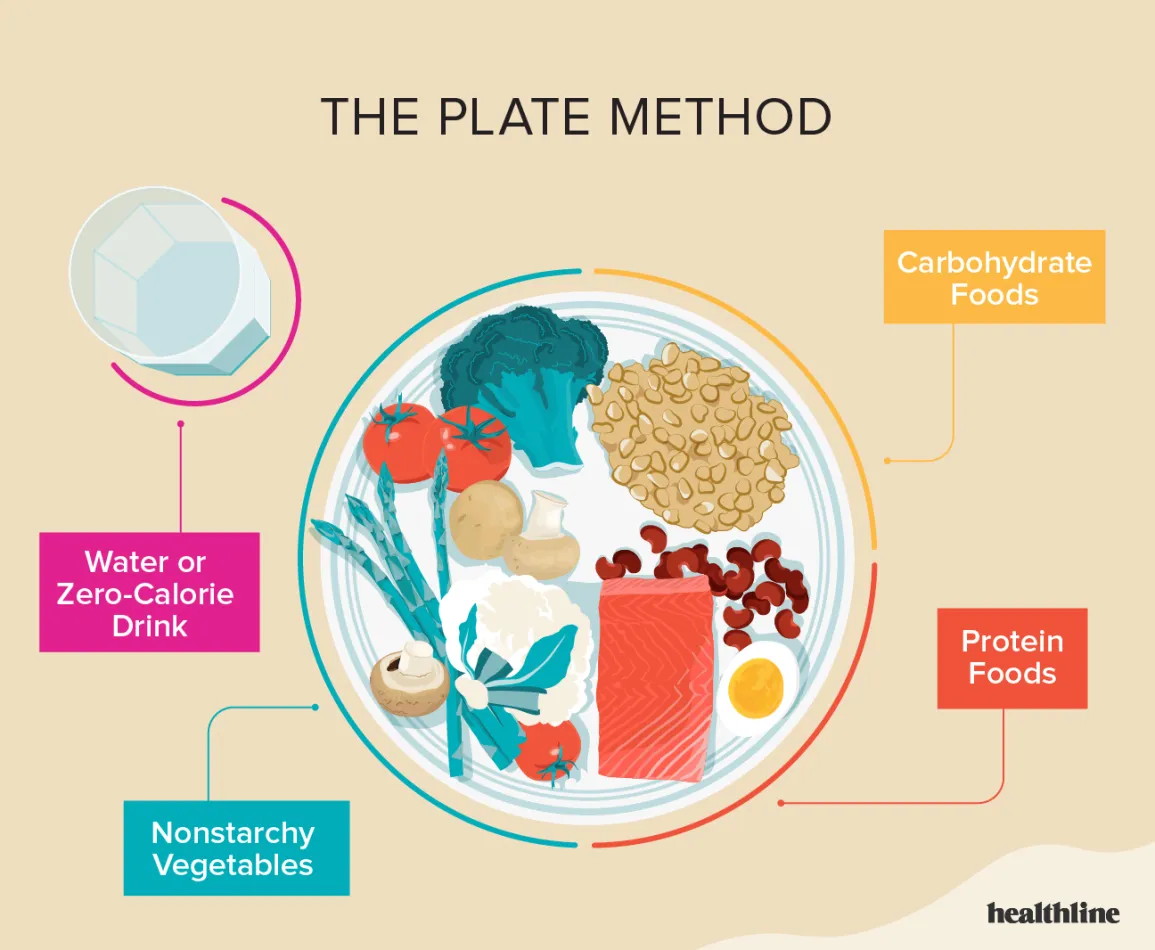
Credits: Healthline
Mediterranean Diet: According to a study published in Diabetes Care, the Mediterranean diet, rich in fruits, vegetables, whole grains, healthy fats, and lean proteins, has been shown to improve glycemic control and reduce cardiovascular risk in individuals with diabetes. This diet emphasizes unsaturated fats like olive oil and incorporates lean proteins like fish and poultry.
DASH Diet (Dietary Approaches to Stop Hypertension): Originally designed to combat high blood pressure, the DASH diet is also beneficial for diabetes. It focuses on reducing sodium intake and consuming nutrient-dense foods like vegetables, fruits, whole grains, and low-fat dairy. The New England Journal of Medicine found that the DASH diet can significantly improve insulin sensitivity.
Low-Carb Diet: Studies published in the American Journal of Clinical Nutrition indicate that low-carb diets can reduce blood glucose levels in individuals with Type 2 diabetes. By limiting carbs, the body requires less insulin, resulting in more stable blood sugar levels.
Diabetic Diet Food List
Lean Proteins: Chicken, turkey, fish, and tofu help maintain muscle mass and stabilize blood sugar without adding excessive carbohydrates.
Whole Grains: Brown rice, quinoa, and oats have a lower glycemic index (GI), which helps prevent blood sugar spikes.
Healthy Fats: Olive oil, avocados, nuts, and seeds provide healthy fats that are essential for heart health, especially for diabetics.
Foods to Include
For diabetics, choosing the right foods can dramatically improve health outcomes. Incorporating nutrient-rich foods is key to maintaining blood sugar stability and reducing the risk of complications like heart disease or neuropathy.
Best Foods for Diabetics
Leafy Greens: Spinach, kale, and broccoli are high in fiber, vitamins, and minerals, making them excellent choices for managing diabetes. Their low GI ensures they won’t cause blood sugar spikes. A study published in BMJ Open Diabetes Research & Care confirms that a diet high in leafy greens helps improve insulin sensitivity.
Berries: Strawberries, blueberries, and raspberries are packed with antioxidants and have a low glycemic load, making them ideal for satisfying sweet cravings without affecting blood glucose levels.
Legumes: Beans, lentils, and chickpeas are excellent sources of plant-based protein and fiber. They slow digestion and provide sustained energy, helping to regulate blood sugar levels throughout the day.
The Heald WA channel is a goldmine of support and information for those on their diabetes reversal journey. Sharing experiences, tips, and triumphs with fellow community members can provide invaluable motivation and practical advice. From meal plans and exercise routines to emotional support and accountability, the collective wisdom within the group can accelerate progress and make the path to diabetes reversal feel less daunting.
Fruits and Vegetables for Diabetics
Fruits: Apples, pears, and citrus fruits like oranges are low in glycemic index and high in vitamins. Their fiber content helps slow sugar absorption into the bloodstream.
Vegetables: Non-starchy vegetables like bell peppers, cucumbers, and zucchini are rich in fiber and low in carbs, making them great choices for diabetics.
Foods to Avoid
Just as important as knowing what to eat is understanding which foods to avoid. Certain foods can cause rapid spikes in blood sugar and contribute to long-term health complications.
Foods Diabetics Should Avoid
Refined Carbohydrates: White bread, pasta, and sugary cereals are high in processed sugars and have a high glycemic index. These foods cause blood sugar levels to rise rapidly and should be limited or avoided.
Sugary Beverages: Sodas, sweetened teas, and energy drinks can lead to spikes in blood glucose. Research published in The Lancet shows that sugar-sweetened beverages are directly linked to an increased risk of Type 2 diabetes.
Trans Fats: Found in processed foods like pastries, margarine, and fast food, trans fats not only raise blood sugar but also increase the risk of heart disease—making them particularly harmful for diabetics.
Vegetables to Avoid
While vegetables are generally healthy, some starchy varieties can raise blood sugar more than others.
Potatoes: High in carbohydrates and with a high glycemic index, potatoes can quickly raise blood sugar.
Corn: Although a vegetable, corn has a high carbohydrate content and can spike glucose levels if eaten in excess.
Conclusion
Managing diabetes through diet is not just about limiting foods—it’s about making smarter choices to fuel your body. Focusing on nutrient-rich foods like leafy greens, lean proteins, and whole grains while avoiding refined carbohydrates and trans fats can have a tremendous impact on your health.
At Heald, we believe that every individual’s journey to better health is unique. Our personalized services, including nutrition coaching, AI-driven health monitoring, and behavioral support from a psychologist, are designed to help you make sustainable lifestyle changes that promote diabetes management and even reversal.
Ready to take control of your diet and health? Book a consultation with Heald today and start your personalized diabetes diet plan.