Summary
Carbs aren't the enemy in type 2 diabetes — unbalanced meals are, whether that's carbs eaten without protein, large carb portions late in the day, or meals missing fiber and vegetables.
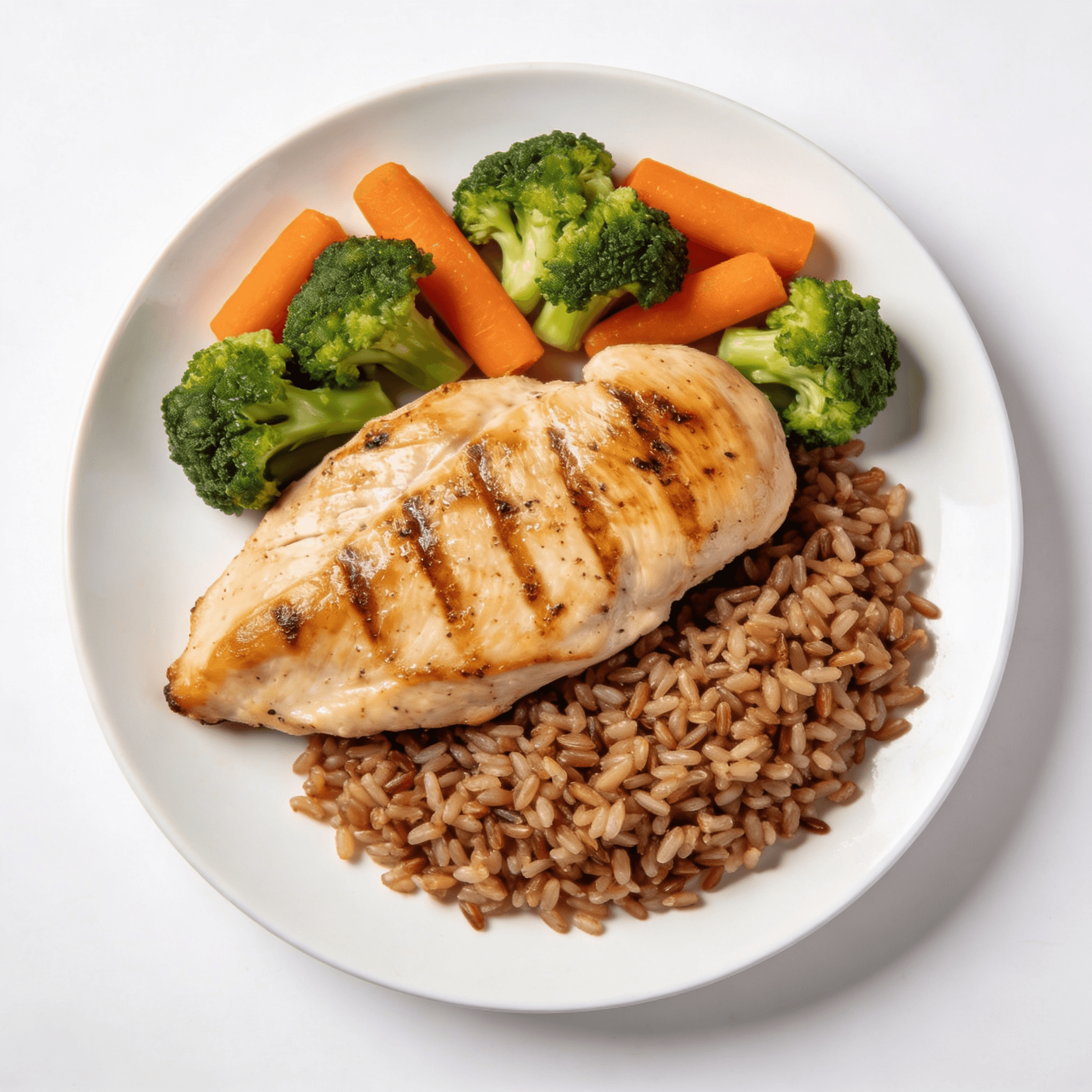
The plate method makes balance visual and simple: half your plate non-starchy vegetables, a quarter protein, a quarter whole carbs, and a small amount of healthy fat, and it works across cuisines.
Carb timing matters as much as carb amount — a light breakfast followed by a heavy, carb-dense dinner overloads the body when insulin sensitivity is naturally lower, so spreading carbs more evenly across the day works better.
Consistency beats perfection: using your plate, keeping protein and vegetables as stabilizers, and avoiding skipped meals or all-or-nothing eating supports steadier blood sugar over time.
Balanced Meal Planning for Type 2 Diabetes
A Simple Plate Method & Smarter Carb Distribution That Actually Works
Introduction
If you live with type 2 diabetes, food can start to feel stressful.
Every meal comes with questions - Is this too much? Will my sugar spike? Am I doing this right?
The truth is, managing diabetes doesn’t require extreme restriction or perfect eating. What it needs is structure that’s realistic.
That’s where balanced meal planning comes in, especially the plate method combined with intentional carb distribution. These tools don’t demand calorie counting or food weighing. They help you eat in a way your body can actually handle, day after day.
1. Why Balance Matters More Than Cutting Carbs
One of the biggest misconceptions in diabetes care is that carbs are the enemy.
They’re not.
What causes problems isn’t carbohydrates alone, it’s unbalanced meals:
Carbs eaten without protein
Large carb portions eaten late in the day
Meals missing fiber and vegetables
Balanced meals slow digestion, reduce sharp glucose spikes, and keep energy steady. When meals are structured well, the body handles carbs far better than most people expect.
2. The Diabetes Plate Method
The plate method works because it removes complexity.
Instead of numbers, it uses visual balance.
How to Build Your Plate
Half the plate: Non-starchy vegetables
These add volume, fiber, and nutrients without raising blood sugar quickly.
Think greens, cauliflower, beans, gourds, peppers, tomatoes.
One quarter: Protein
Protein stabilizes blood sugar and keeps you full longer.
Examples: eggs, fish, chicken, paneer, tofu, lentils, Greek yogurt.
One quarter: Carbohydrates
This is where people usually go wrong — not by eating carbs, but by eating too much of them.
Choose whole, slower-digesting options: rice, roti, millets, quinoa, potatoes, fruit.
Healthy fats (small amounts)
Fats help with satiety but are easy to overdo. Use them intentionally, not freely.
This method works across cuisines — Indian, Western, vegetarian, non-vegetarian — because it’s about proportion, not food rules.
3. Carb Distribution: Why Timing Matters
Even when portions are right, when you eat carbs matters.
A common pattern in people with type 2 diabetes:
Very light or skipped breakfast
Moderate lunch
Heavy, carb-dense dinner
This overloads the body at a time when insulin sensitivity is naturally lower.
A Better Distribution Looks Like:
Breakfast: Moderate carbs + protein
Lunch: Balanced carbs, protein, vegetables
Dinner: Slightly lower carbs, higher vegetables and protein
This doesn’t mean cutting dinner carbs completely, it means not saving them all for the end of the day.
4. What Balanced Meals Look Like in Real Life
Breakfast Ideas
Omelette with veggies + one slice of sourdough
Yogurt with seeds and fruit
Dosa with extra sambar and less chutney
Lunch Ideas
Rice with dal, vegetables, and curd
Salad bowl with grilled protein and grains
Roti, sabzi, paneer/chicken, and a small carb portion
Dinner Ideas
Stir-fried vegetables with tofu or fish
Soup + protein + a small carb serving
Light rice or roti with extra vegetables
The goal isn’t perfection — it’s repeatable balance.
5. Common Mistakes to Avoid
Skipping meals and overeating later
Removing carbs completely (often backfires)
Eating “healthy” meals that are mostly carbs
Relying only on steps or walking without meal structure
Balanced eating works best when combined with consistency — not extremes.
6. Practical Takeaways
You don’t need to count every gram, use your plate
Eat carbs, but don’t let them dominate the meal
Spread carbs across the day instead of loading them at night
Protein and vegetables are your stabilizers
Consistency matters more than occasional perfection
7. Conclusion
Balanced meal planning is about giving your body a fair chance to respond well.
The plate method and thoughtful carb distribution remove confusion and decision fatigue. They allow you to eat confidently, enjoy food, and still support blood sugar control.
Diabetes management becomes easier when meals are predictable, nourishing, and realistic.
And that’s what balance truly looks like.