Summary
You don't need 10,000 steps a day to improve insulin sensitivity — research shows 6,000 to 8,000 steps can make a significant difference.
A study found that just 30 minutes of daily walking improved insulin sensitivity in people with Type 2 diabetes, regardless of total step count.
Even 3,000 steps a day can benefit insulin sensitivity for people who are currently sedentary, according to a study in The Lancet Diabetes & Endocrinology.
Consistency and regular moderate activity matter more than hitting an exact step number.
We’ve all heard the rule: 10,000 steps a day keeps the doctor away. But does it really take that many steps to reverse insulin resistance and improve overall health? While the 10,000-step goal is a popular fitness benchmark, research suggests that you don’t need to hit that exact number to experience significant health benefits, particularly when it comes to insulin resistance. So, let's dive into what the science says about walking, insulin sensitivity, and whether hitting 10,000 steps is essential.
Can Walking Reverse Insulin Resistance? The Evidence Behind the Numbers
Insulin resistance is when your body’s cells become less responsive to insulin, making it harder for your body to regulate blood sugar levels. Over time, this can lead to Type 2 diabetes, a condition that affects millions globally. While lifestyle changes, particularly physical activity, play a crucial role in managing and even reversing insulin resistance, the exact amount of exercise needed has been a topic of debate.
Recent studies have shown that walking just 6,000 to 8,000 steps a day can significantly improve insulin sensitivity and reduce the risk of developing Type 2 diabetes. In fact, some research suggests that walking fewer steps can still make a difference. But what’s the catch? The key lies in consistency and the overall intensity of physical activity.
How Physical Activity Improves Insulin Sensitivity and Lowers Diabetes Risk
Credits: MDPI
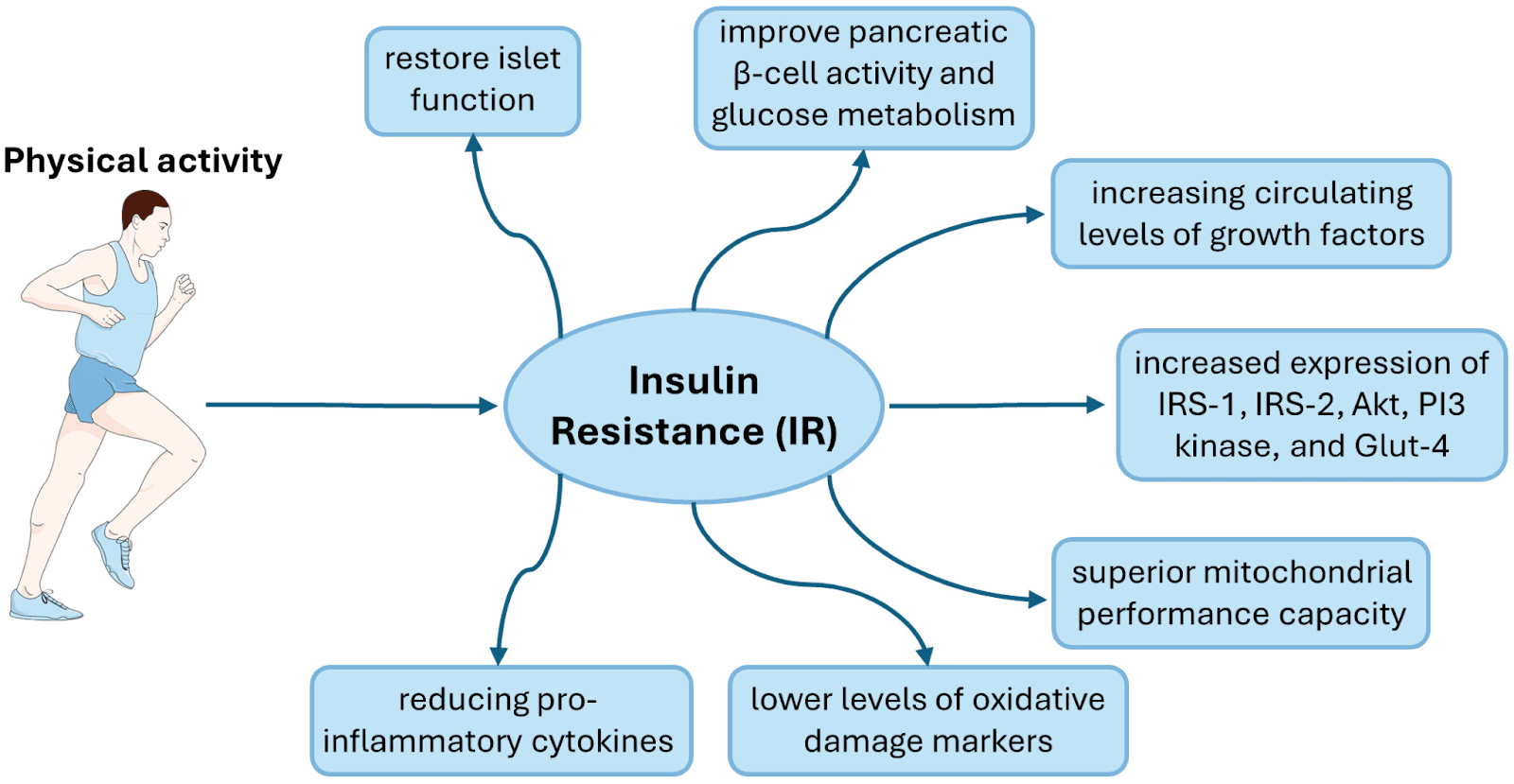
Physical activity, especially moderate-intensity exercises like walking, helps lower blood sugar levels in several ways. When you engage in physical movement, your muscles take up glucose from the bloodstream to use as energy, which directly helps reduce blood sugar levels. Additionally, regular exercise can help your cells become more sensitive to insulin, allowing your body to use insulin more efficiently.
Studies show that moderate physical activity, which includes activities like brisk walking, has a significant impact on insulin resistance. A study published in the American Journal of Physiology found that walking just 30 minutes a day was enough to improve insulin sensitivity in people with Type 2 diabetes, regardless of whether they hit the 10,000-step mark. The consistency of the activity seemed to matter more than the specific number of steps taken.
Steps to Reverse Insulin Resistance: The Benefits of Moderate Activity
While the 10,000-step goal is often emphasized, it’s not a magic number. Moderate activity, whether that means walking, light jogging, or any other form of consistent movement helps your body manage blood sugar and improve insulin sensitivity. Research consistently shows that just 6,000 steps a day can make a substantial difference in reversing insulin resistance.
A study in Diabetes Care examined the relationship between walking and insulin sensitivity and found that walking as little as 6,000 steps per day led to improved insulin sensitivity in participants at risk for diabetes. The same study revealed that even smaller increases in daily physical activity significantly lowered the risk of developing Type 2 diabetes.
So, if you're already active and walking 6,000 steps or more, you’re on the right track. However, if you’re just starting your fitness journey or have been sedentary for a while, don’t worry about hitting 10,000 steps right away.
Starting Small: How Even 3,000 Steps Can Improve Insulin Sensitivity
For someone who is sedentary, starting with just 3,000 steps a day can still be beneficial for insulin sensitivity. Research has shown that small increases in activity can have a profound effect on insulin resistance. In fact, a study published in The Lancet Diabetes & Endocrinology found that even 3,000 steps per day can enhance insulin sensitivity, especially in individuals who have been inactive.
The key is to gradually increase your step count as your fitness improves. Even incremental changes in your daily activity level can help your body become more efficient at processing glucose. Over time, as you increase your activity level, your insulin sensitivity will improve, which can reduce the risk of Type 2 diabetes.
Conclusion: Consistent Movement for Natural Insulin Resistance Reversal
While 10,000 steps a day is certainly beneficial, the truth is you don’t need to hit that number to reverse insulin resistance. Consistent moderate activity, whether it's 6,000 or 8,000 steps a day, plays a crucial role in improving insulin sensitivity. And for those just starting out or easing back into fitness, even 3,000 steps a day can provide significant benefits.
The most important thing is to stay consistent and gradually increase your activity level. Whether you're aiming for 6,000 or 10,000 steps, remember: every step counts towards better health. So, lace up your shoes, start moving, and let your body thank you for it.