Summary
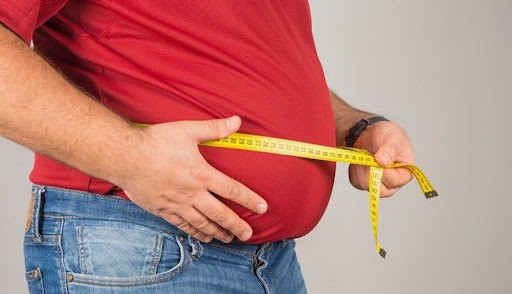
Older adults can have excess body fat and a stable or high BMI while still being undernourished at the tissue level, a pattern known as sarcopenic obesity (low muscle mass or strength combined with excess fat).
It affects roughly 1 in 7 community-dwelling older adults worldwide, according to a 2024 meta-analysis of over 71,000 people, and is linked to frailty, disability, and worse outcomes than either obesity or muscle loss alone.
BMI alone can miss muscle loss entirely; body composition, grip strength, walking speed, diet quality, and unintentional weight change are far more informative screening tools.
Prevention centers on adequate protein, resistance training, and individualized screening, especially when kidney disease, frailty, dysphagia, cancer, or weight loss are already present.
What is silent malnutrition in overweight seniors, and how is it different from sarcopenic obesity?
Silent malnutrition is a descriptive phrase for poor nutrient status that can exist even when body weight is stable or high. Sarcopenic obesity is the related clinical term excess fat mass combined with low muscle mass or strength and it is the kind of thing a BMI reading will cheerfully miss.
In older adults, silent malnutrition usually means the body is not getting enough protein, fiber, or key micronutrients to support muscle, mobility, and recovery, even if calories are technically adequate. Think of it as a car with a full gas tank but no engine oil. The gauge looks fine. The engine does not.
Sarcopenic obesity is more specific. It refers to the coexistence of excess adiposity and sarcopenia the age-related loss of muscle mass, strength, and function. A clinical overview in Nature Reviews Endocrinology describes it as an important geriatric syndrome because it compounds frailty, comorbidity burden, and functional decline in ways that neither condition alone would predict. The pathophysiology is genuinely complex: it involves a tangle of hormonal changes, chronic low-grade inflammation, oxidative stress, anabolic resistance, and lifestyle factors all feeding off each other. (nature.com)
The key issue is body composition, not body size. An older adult may look "well fed" from the outside while quietly losing the lean tissue needed to climb stairs, catch themselves after a trip, or recover from a hospital stay. That is why the phrase overweight seniors malnutrition turns up so often in patient searches, even though clinicians tend to speak in terms of malnutrition risk, sarcopenia, or sarcopenic obesity.
How common is it? A 2024 systematic review and meta-analysis pooling data from 46 studies and 71,757 non-hospitalized older adults put the combined prevalence of sarcopenic obesity at 14% about 1 in 7 seniors living independently in the community. (pmc.ncbi.nlm.nih.gov)
CDC guidance notes that BMI is only a surrogate for body fatness that can be influenced by age and muscle mass and does not distinguish fat from lean tissue. A 2022 international consensus statement updated the diagnostic criteria for sarcopenic obesity, reinforcing that muscle function and body composition both have to be part of the picture. (pmc.ncbi.nlm.nih.gov)
Why can an older adult have excess weight and still be undernourished?
Because aging is sneaky, and the scale is a terrible spy.
After midlife, most people gradually lose skeletal muscle and gain fat even when their weight barely budges. Estimates suggest muscle mass declines 5–10% per decade after age 50, and since muscle accounts for up to 60% of body mass, those losses carry enormous functional consequences. (mdpi.com) Meanwhile, calorie intake may stay adequate while protein quality, meal variety, and micronutrient intake quietly fall short especially when chewing problems, social isolation, illness, or limited cooking ability make nutrient-dense eating harder.
Older adults also face a frustrating phenomenon called anabolic resistance: muscle responds less efficiently to dietary protein than it did earlier in life. The same meal pattern that once maintained muscle may no longer be enough to preserve strength and recovery. A 2025 meta-analysis of RCTs found that protein supplementation is an effective intervention for improving muscle mass and strength in older adults with sarcopenia or frailty but the benefits depend heavily on dose, timing, and whether it is paired with exercise. (sciencedirect.com)
Diet quality matters enormously too. A calorie-dense pattern built around refined grains, sweets, and ultra-processed foods can leave an older adult short on protein, vitamin D, calcium, vitamin B12, magnesium, fiber, and omega-3 fats all while technically meeting their calorie needs. Harvard's older-adult weight management guidance emphasizes that because calorie requirements often decline with age, the quality of every calorie becomes more important, not less. (ece.hsdm.harvard.edu)
What are the warning signs of muscle loss and nutrient deficiency in seniors?
Warning signs are often subtle and easy to chalk up as "just getting older." That is precisely what makes them dangerous.
Common clues include weaker grip strength, slower walking speed, trouble rising from a chair without using arms, fatigue, poor appetite, frequent falls, and sluggish recovery after illness or injury. A person may still weigh the same or even gain weight while losing the strength needed for stairs, grocery runs, or getting up off the floor after a tumble.
Grip strength deserves special attention here. A 2025 Bayesian network meta-analysis confirmed that low handgrip strength is not just a marker of sarcopenia in people who also have obesity, diabetes, cardiovascular disease, or chronic kidney disease, it is a powerful predictor of mortality. (frontiersin.org) This is not a soft clinical signal. This is a number that predicts whether someone will be alive in five years.
Useful screening clues include grip strength, gait speed, chair-rise ability, and recent changes in appetite or food variety. Frailty frameworks increasingly rely on these functional measures because they can reveal risk earlier than weight alone. (academic.oup.com)
Other red flags include unintentional weight loss, swelling, poor wound healing, low energy, and a diet that is repetitive or low in protein-rich foods. If swallowing problems, dental pain, depression, or medication side effects are present, the chance of inadequate intake rises further and should be assessed clinically.
Why does BMI miss body composition problems in older adults?
Because BMI cannot tell you what you are made of, only how much you weigh relative to your height.
Two people can have identical BMIs and radically different health trajectories: one with preserved muscle and moderate fat, the other with critically low lean mass and central fat accumulation. In older adults, this distinction is not academic. A 2025 meta-analysis of over 90,000 older adults identified a whole range of modifiable risk factors for sarcopenic obesity including physical inactivity, poor diet quality, metabolic disease, and social isolation none of which BMI can detect or quantify. (sciencedirect.com)
There is also an interesting wrinkle worth knowing: a systematic review in Ageing Research Reviews found that in community-dwelling older adults, sarcopenic obesity was actually associated with 15% lower all-cause mortality than sarcopenia without obesity. This so-called "obesity paradox" is controversial and does not apply to severely ill patients, but it does reinforce the message that BMI and weight are imprecise proxies for what actually drives outcomes which is muscle function, not body size. (sciencedirect.com)
For that reason, clinicians often look beyond BMI to waist circumference, recent weight change, dietary intake, grip strength testing, and when available, body composition tools such as bioimpedance or DXA. CDC guidance explicitly notes that BMI is a surrogate measure that does not directly measure body fatness or muscle mass. The most useful clinical question is not "Is the patient overweight?" but "Is the patient maintaining enough lean tissue, strength, and nutritional adequacy to stay independent?" (nature.com)
What health risks are linked to sarcopenic obesity and poor nutrition in aging?
The short answer: a lot. The long answer is that sarcopenic obesity is not simply the sum of two problems it is their product.
Sarcopenic obesity is associated with higher risk of frailty, physical disability, falls, hospitalization, cardiovascular disease, atrial fibrillation, and mortality. A 2024 JAMA Network Open study found that men with sarcopenic obesity had approximately 1.22 times the all-cause mortality risk of men with sarcopenia alone meaning the fat plus muscle-loss combination is genuinely more dangerous than muscle loss by itself. (frontiersin.org)
The metabolic mechanisms are worth understanding. When muscle mass declines, the body's largest glucose disposal organ shrinks, worsening insulin resistance. Excess adipose tissue especially visceral fat generates inflammatory cytokines like IL-6 and TNF-α that further accelerate muscle breakdown. The two processes create a vicious cycle: less muscle drives more fat accumulation, more fat drives more muscle loss, rinse and repeat. This is also why sarcopenic obesity is associated with increased atrial fibrillation risk, with insulin resistance and inflammation identified as key mediating pathways. (sciencedirect.com)
On the other side of the ledger, resistance training appears to interrupt this cycle through anti-inflammatory effects a 2025 scoping review found that RT reduces systemic inflammation and may serve as a non-pharmacological "polypill" for cardiovascular health in sarcopenic populations. (mdpi.com)
Frailty prevention reviews and older-adult guidelines consistently point to nutrition and physical activity as core strategies for preserving function. Not every person needs the same plan; but muscle preservation and diet quality should be part of routine aging care not an afterthought triggered by a fall or hospitalization. (academic.oup.com)
What should older adults do next to prevent silent malnutrition and muscle loss?
The next step is usually to screen for body composition risk, then build a plan around protein, resistance training, and nutrient-dense meals. Any plan should be individualized, especially if there is kidney disease, frailty, dysphagia, cancer, or unintentional weight loss.
On resistance training: A 2025 systematic review and network meta-analysis of 29 RCTs (1,622 participants) found that combined resistance training plus nutritional intervention was the most effective approach for improving muscle mass and strength in people with sarcopenic obesity. Exercise alone beat nutrition alone, and combining them beat either in isolation. (ncbi.nlm.nih.gov) A separate 2024 network meta-analysis ranking different training modalities found that combined resistance-plus-aerobic training was particularly effective for improving both body composition and physical performance. (frontiersin.org) And resistance training programs have been associated with a 10–20% lower risk of all-cause mortality, cardiovascular disease, total cancer, and diabetes with the maximum benefit at just 30–60 minutes per week. (mdpi.com) That is not a big ask.
On protein: A 2025 meta-analysis found that protein supplementation significantly improves muscle mass and strength in older adults with sarcopenia or frailty, but effectiveness varies by individual. People with chronic kidney disease in particular need individualized protein targets higher is not always better in that population. (sciencedirect.com)
On screening: A 2025 meta-analysis pooling over 90,000 older adults identified modifiable risk factors for sarcopenic obesity including physical inactivity, poor dietary quality, metabolic syndrome, and living alone all things that can be screened for and addressed before muscle loss becomes severe. (sciencedirect.com)
Important safety note: protein targets, supplements, and exercise plans must be individualized. People with chronic kidney disease, advanced frailty, dysphagia, active cancer treatment, or unexplained weight loss may need different goals and closer supervision from a clinician, dietitian, or physical therapist.
When weight loss is being considered in an older adult with obesity, it should be medically supervised if there is any concern about sarcopenia or frailty. The goal is not just lower weight; it is better function, better nutrition, and preserved independence.