Summary
Diabetes affects the whole family, and research shows that supportive family involvement helps loved ones adopt healthier habits and achieve better blood sugar control.
You can help by educating yourself on diabetes and reversal strategies, encouraging balanced meals and shared physical activity, and celebrating small wins together.
Emotional support matters as much as practical help: offer encouragement, listen without judgment, and help your loved one manage stress.
You can also support blood sugar monitoring by helping with checks and learning what target numbers mean, so you can recognize when something is off.
Introduction
Diabetes doesn’t just affect the person diagnosed—it touches the entire family. If you have a loved one living with diabetes, you’re probably wondering, "How can I help?" As an endocrinologist, I’ve seen how family support can be a game-changer in managing diabetes, improving well-being, and even achieving diabetes reversal. Your involvement can make a huge difference in helping your loved one live a healthier life.
In this blog, we’ll explore practical, easy-to-implement strategies to help you be an effective support system. Plus, we’ll show how Heald’s services—personalized coaching, AI-driven monitoring, and behavioral psychology—can enhance your family’s diabetes management journey.
Understanding Diabetes: A Family Affair
The Basics of Diabetes
Diabetes is a chronic condition where the body struggles to process blood sugar effectively. There are two primary types:
Type 1 Diabetes: An autoimmune condition that typically begins in childhood and requires lifelong insulin management.
Type 2 Diabetes: The most common form, linked to lifestyle factors like diet, exercise, and weight. The good news? Type 2 diabetes can often be reversed through healthy lifestyle changes.
The Impact on Family Dynamics
When one family member has diabetes, everyone is affected. Adjusting family meals, planning activities, and offering emotional support become essential. But these changes can create healthier habits for the entire family.
Meal Planning Together: Adapt family meals to include more vegetables, whole grains, and lean proteins.
Exercise as a Team: Physical activity is crucial for diabetes management. Try family walks, bike rides, or yoga.
Emotional Support: Managing diabetes can be frustrating. Offering patience, encouragement, and understanding can help your loved one stay on track.
Scientific Insight: Family Support in Diabetes Management
Credits: Plant Methods
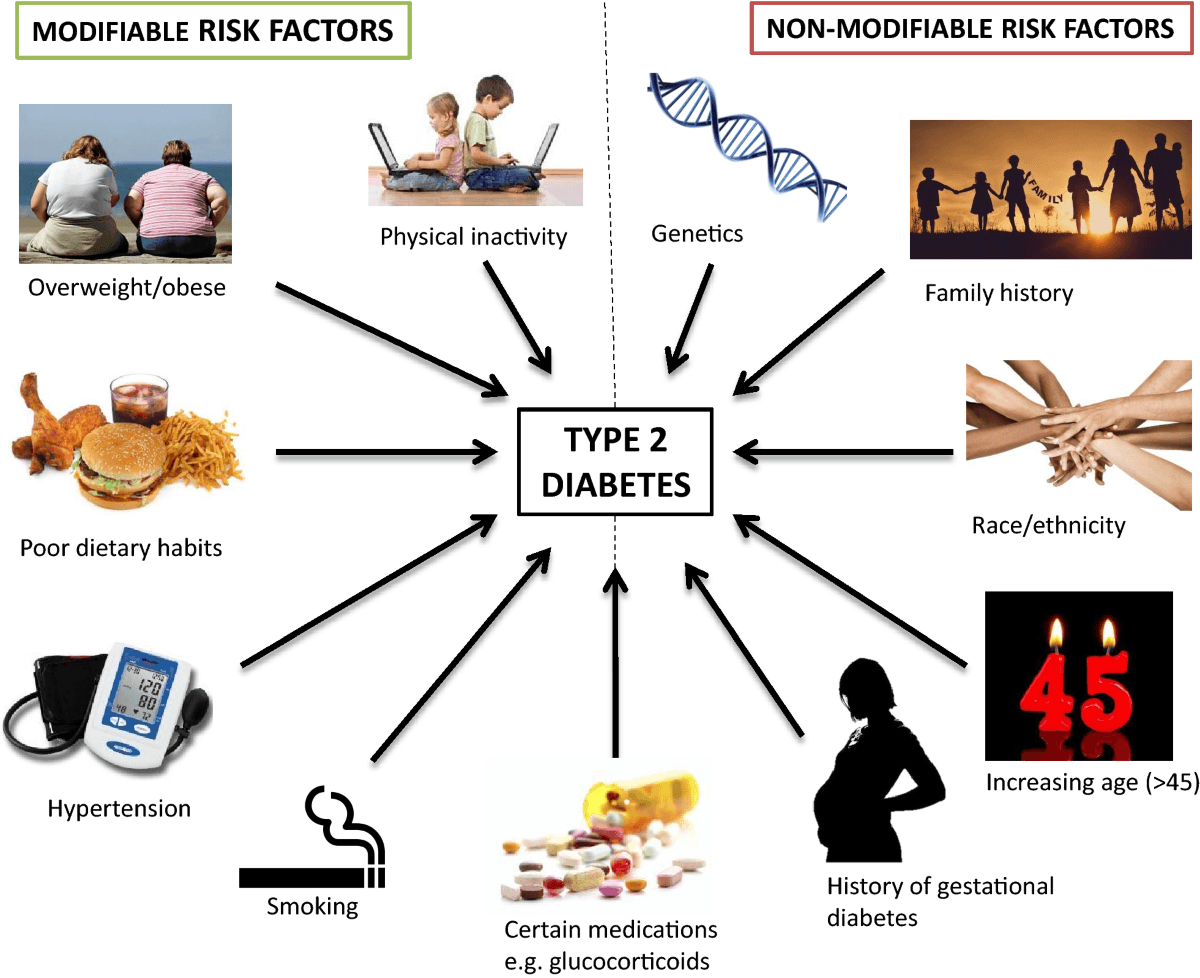
Research from the National Center for Biotechnology Information (NCBI) shows that family involvement plays a critical role in diabetes care, especially in cultures like India, where family bonds are strong. Individuals with supportive families are more likely to adopt healthy lifestyle changes and achieve better health outcomes, including improved blood sugar control.
How to Support a Family Member with Diabetes
1. Educate Yourself
Learning about diabetes helps you better support your loved one.
Learn About Blood Sugar: Understanding factors like food choices, stress, and medication can help you assist in managing diabetes.
Stay Informed on Reversal Strategies: If your loved one has Type 2 diabetes, educate yourself on reversal strategies like weight loss and exercise.
Access Credible Sources: Stick to trusted sources like the American Diabetes Association or Heald’s expert-backed resources.
2. Encourage Healthy Lifestyle Changes
Family support makes lifestyle changes easier.
Promote a Balanced Diet: Help plan meals that are both healthy and enjoyable. Cook together to make the process fun.
Get Active as a Family: Turn exercise into a family affair. Try after-dinner walks or weekend hikes to stay active together.
Support Weight Loss Goals: For those with Type 2 diabetes, weight loss can improve blood sugar control. Set small, realistic goals and celebrate the victories.
The Heald WA channel is a goldmine of support and information for those on their diabetes reversal journey. Sharing experiences, tips, and triumphs with fellow community members can provide invaluable motivation and practical advice. From meal plans and exercise routines to emotional support and accountability, the collective wisdom within the group can accelerate progress and make the path to diabetes reversal feel less daunting.
Real-Life Example: The Sinha Family’s Journey
Rajesh Sinha from Mumbai was diagnosed with Type 2 diabetes. His family rallied around him—his wife Anjali adjusted their meals by incorporating more whole grains and vegetables, and their children joined him for evening walks. With their support, Rajesh lost 10 kilograms in six months, significantly improving his blood sugar levels and reducing his medication dosage.
This is a powerful example of how family involvement can lead to successful diabetes management.
3. Be a Source of Emotional Support
Living with diabetes can be mentally exhausting. Your emotional support is invaluable.
Offer Encouragement: Be there with words of encouragement, especially when things get tough.
Listen Without Judgement: Practice active listening when your loved one needs to vent.
Help Manage Stress: Encourage stress-relieving activities like meditation or yoga, which can positively impact blood sugar levels.
4. Assist with Blood Sugar Monitoring
Blood sugar management is crucial in diabetes care, and you can help make it easier.
Offer to Help with Blood Sugar Checks: Assist with the process if your loved one is comfortable with it, or be there for moral support.
Understand What the Numbers Mean: Learn about target blood sugar levels so you can recognize when things are off and help take action.
How Heald Can Support Your Family
At Heald, we understand that diabetes management is a team effort. Our services support both the person with diabetes and their family.
Personalized Coaching: Heald offers one-on-one coaching tailored to your family’s needs. Our coaches help families adopt sustainable habits that work for everyone.
AI-Driven Health Monitoring: Heald’s continuous glucose monitoring tools allow real-time blood sugar tracking, providing insights into how meals, activities, and stress affect levels.
Behavioral Psychology Support: Managing stress and building healthy habits are key to diabetes management. Heald’s psychologists help your family develop strategies to stay on track.
Conclusion
Supporting a family member with diabetes can improve the health of everyone involved. By educating yourself, encouraging healthy lifestyle changes, offering emotional support, and helping with blood sugar management, you can make a positive impact.
Heald is here to support both you and your loved one with personalized coaching, real-time health monitoring, and expert behavioral guidance. Ready to take the next step? Book an appointment with a Heald doctor today.