Summary
Living with diabetes carries an emotional weight, including anxiety, frustration, and isolation, alongside the physical demands of managing glucose, nutrition, and exercise.
Mindfulness practices like meditation, deep breathing, and yoga can reduce stress and have been linked to better glucose control.
A balanced diet and regular physical activity support both physical and mental well-being, with exercise also releasing mood-lifting endorphins.
A strong support system of medical professionals, health coaches, and technology tools helps individuals manage both the physical and emotional sides of diabetes.
Living with diabetes is a complex journey that intertwines physical health with emotional well-being. Managing daily glucose levels, diet, and exercise regimens demands not just physical but also emotional resilience. As a health expert with years of experience supporting individuals through this journey, I've witnessed the transformative power of a holistic approach—one that Heald champions—to managing diabetes.
The Emotional Weight of Diabetes
The diagnosis of diabetes often brings with it an emotional weight, bearing feelings of anxiety, frustration, and sometimes isolation. These feelings can stem from the constant vigilance required to manage the condition and the fear of potential complications. Recognizing this emotional toll is critical in developing a comprehensive management plan that addresses both physical and mental health.
Graph: Impact of Mindfulness on Glycemic Control
The following graph illustrates the impact of mindfulness practices on glycemic control among individuals with diabetes:
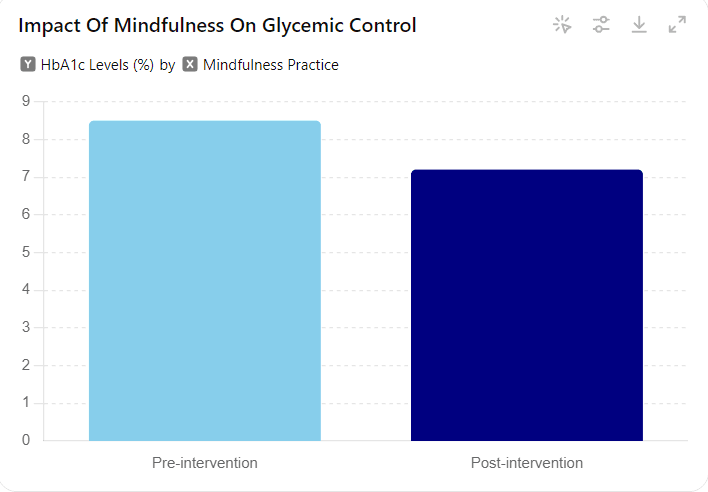
This graph shows a significant reduction in HbA1c levels among individuals who practiced mindfulness regularly, compared to those who did not.
By integrating mindfulness, exercise, and nutritional practices, and leveraging the support systems and technological tools offered by HealD, individuals with diabetes can achieve a balanced state of physical and emotional well-being.
Empowering Through Support
A robust support system is invaluable for navigating the challenges of diabetes. This system should include not just medical professionals but also health coaches and member advocates who provide emotional support, education, and motivation. They serve as pillars of strength and guidance, helping demystify the complexities of diabetes care and making the journey less daunting.
Mental Health Practices for Diabetes Care
1. Mindfulness and Meditation: Incorporating mindfulness practices can significantly reduce stress and improve glucose control. Meditation, deep breathing exercises, and yoga can help center your thoughts and reduce anxiety, creating a more manageable environment for diabetes care.
2. Diet and Mental Health: The saying "you are what you eat" holds particularly true when managing diabetes. A balanced diet rich in nutrients supports not just physical health but also mental well-being. Foods high in omega-3 fatty acids, for instance, have been linked to reduced rates of depression.
3. The Role of Exercise: Physical activity is a cornerstone of diabetes management and a natural mood enhancer. Regular exercise can help regulate blood sugar levels while simultaneously releasing endorphins, known as the body's natural stress-relievers and mood lifters.
Leveraging Technology for Comprehensive Care
Modern technology, including AI-driven health tracking tools and apps, plays a crucial role in holistic diabetes management. These tools offer insights into how lifestyle changes impact both glucose levels and emotional well-being. By providing real-time feedback and personalized data, technology enables informed decisions that support both physical and mental health goals.
Heald's Holistic Approach: A Beacon of Hope
At Heald, we understand that managing diabetes goes beyond physical symptoms. Our holistic approach addresses the emotional challenges that accompany diabetes, offering a pathway to not just survive but thrive. Through personalized care plans, empathetic support, and cutting-edge technology, we empower individuals to take control of their health and well-being.
A Path Forward
In navigating the complexities of diabetes, it's essential to remember the interconnectedness of physical health and emotional well-being. By embracing a holistic approach that includes proper nutrition, regular physical activity, mental health practices, and the support of health coaches, managing diabetes can transform from a daunting task to an empowering journey.
In summary, managing diabetes requires a balanced approach that nurtures both the body and the mind. Through the support of Heald and the implementation of holistic care practices, individuals living with diabetes can achieve not only physical health but also emotional well-being.
Join our webinar to learn more about managing diabetes and protecting your heart health!