Summary
Honey does raise blood glucose, but more slowly and gradually than table sugar or pure glucose because of its unique mix of fructose, enzymes, and antioxidants.
Compounds in honey can inhibit digestive enzymes like alpha-glucosidase and alpha-amylase, slowing carbohydrate breakdown and softening post-meal blood sugar spikes.
Honey's glycemic index generally falls between 35 and 58, depending on its floral source, which is lower than table sugar's GI of about 65 to 70.
Used sparingly and chosen raw and unprocessed, honey may fit into a diabetes-friendly diet, but people with diabetes should monitor its effect closely, ideally with a CGM, and check with their healthcare provider first.
Honey has long been cherished as a natural sweetener, a remedy in traditional medicine, and a symbol of sweetness in cultures worldwide. But when it comes to managing blood sugar levels, especially for people with diabetes, honey often sparks a question: Does honey raise blood glucose? Or could it actually help slow glucose absorption in the gut, acting as a natural shield to prevent sharp blood sugar spikes?
In this blog, we’ll explore the fascinating science behind honey’s effects on blood sugar, focusing on how certain compounds and enzymes in honey may slow down intestinal glucose absorption. Understanding these mechanisms can help you make informed choices about including honey in a blood sugar-friendly diet.
The Effect of Honey on Blood Sugar Levels: What You Need to Know
Honey is primarily made up of natural sugars, mainly fructose and glucose. Naturally, consuming sugar raises blood glucose levels, but honey is different from refined sugar in several important ways. It contains bioactive compounds, enzymes, antioxidants, and trace minerals that interact with how the body processes sugar.
Research shows that honey causes a slower, more gradual increase in blood glucose compared to pure glucose or table sugar. This difference in impact is linked to honey’s composition and how its compounds affect digestion and glucose absorption in the gut.
Does Honey Raise Blood Glucose Levels? Understanding the Science
Yes, honey does contain sugars that can raise blood glucose, but not all sugars act the same. Fructose, which makes up about 40% of honey, has a lower glycemic effect compared to glucose. Moreover, honey contains special enzymes that influence how sugar is digested and absorbed.
One of the key processes involved in blood sugar regulation is the digestion of carbohydrates by enzymes like alpha-glucosidase in the small intestine. These enzymes break down complex sugars into glucose, which is then absorbed into the bloodstream.
Certain compounds in honey have been found to inhibit the activity of alpha-glucosidase, effectively slowing carbohydrate breakdown. This leads to slower glucose absorption, preventing sudden blood sugar spikes after meals. This natural inhibition can make honey a potentially better option compared to other sweeteners that lack these beneficial enzymes.
A comprehensive review published in Oxidative Medicine and Cellular Longevity highlights that enzymes and polyphenols in honey can inhibit digestive enzymes such as alpha-glucosidase and alpha-amylase, thereby modulating glucose uptake in the gut and contributing to better blood sugar regulation.
Honey’s Glucose Index: A Natural Alternative to Sugar

The glycemic index (GI) measures how quickly a carbohydrate-containing food raises blood glucose levels. Foods with a high GI cause rapid spikes, while those with a low GI lead to a slower, steadier rise.
Honey’s GI varies depending on the floral source, but generally ranges between 35 to 58, which is lower than regular table sugar (GI ~65-70). This means honey raises blood sugar levels more slowly and steadily compared to refined sugar.
This lower GI is significant for people with diabetes or those monitoring blood sugar levels, as managing post-meal glucose spikes is crucial for overall health.
Here’s a quick comparison table of honey and other common sweeteners to put this in perspective:
Sweetener | Approximate Glycemic Index (GI) | Key Features |
|---|---|---|
Glucose | 100 | Rapid blood sugar spike, pure glucose |
Table Sugar (Sucrose) | 65-70 | Common refined sugar, moderate blood sugar rise |
Honey | 35-58 | Contains fructose, enzymes; slower glucose rise |
Agave Nectar | 10-30 | High fructose content, very low GI |
Maple Syrup | 54 | Natural sweetener, moderate GI |
The Role of Enzymes in Honey and Their Impact on Glucose Absorption
Honey is not just sugar; it’s a complex natural product packed with enzymes, antioxidants, and phytochemicals. One important enzyme is glucose oxidase, which plays a role in honey’s antimicrobial properties but also interacts with digestive processes.
Studies have highlighted that enzymes and polyphenols in honey can inhibit intestinal enzymes such as alpha-glucosidase and alpha-amylase. By slowing these enzymes, honey delays the digestion of carbohydrates into glucose.
This enzymatic activity acts like a “sweet shield,” modulating the speed at which glucose enters the bloodstream. This effect can help blunt postprandial (after-meal) blood sugar spikes, a key factor in diabetes management.
Honey and Diabetes: Can It Be Part of a Blood Sugar-Friendly Diet?
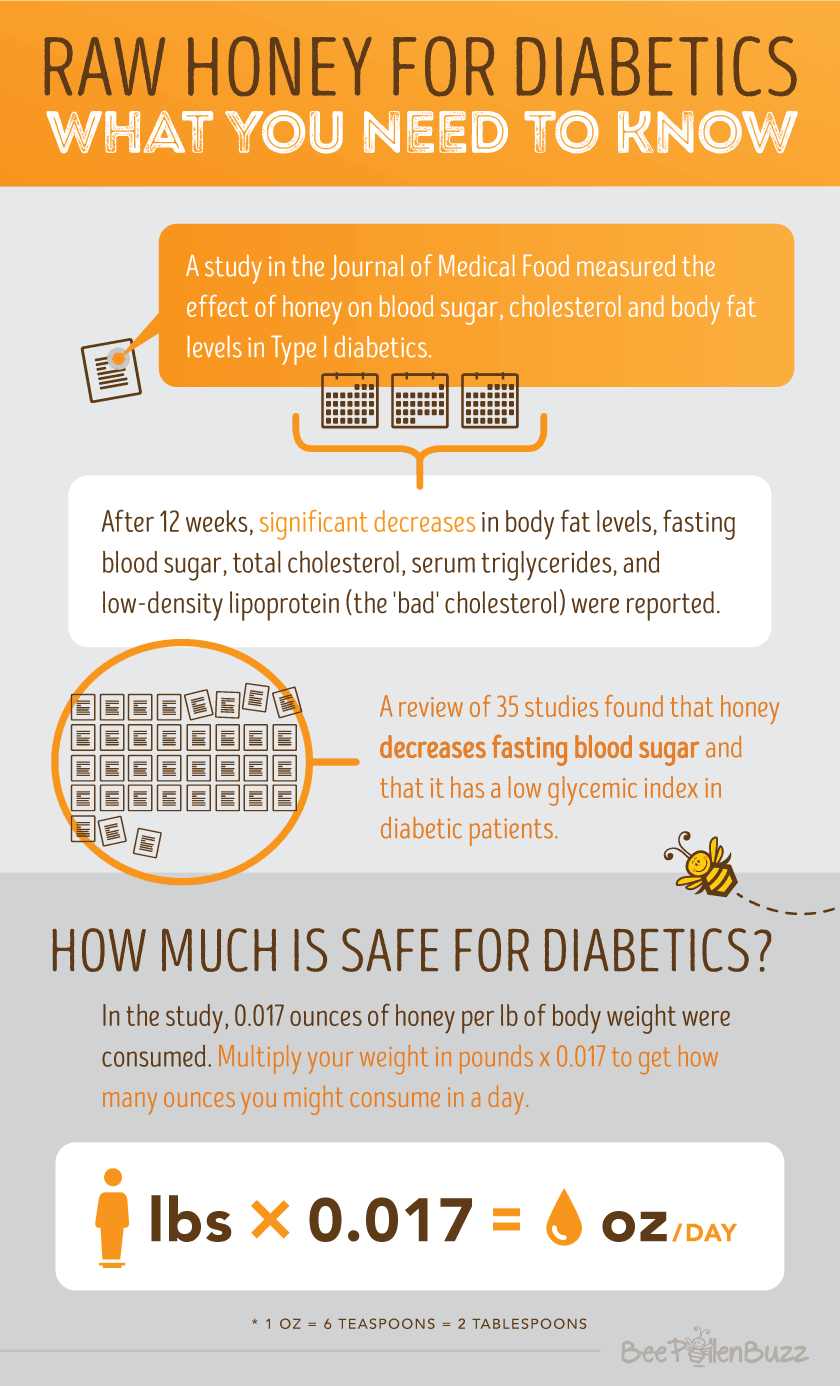
Given honey’s natural sugar content, it might seem counterintuitive to include it in a diabetes-friendly diet. However, research and clinical observations suggest that when consumed in moderation, honey’s unique properties may offer advantages over refined sugars.
A controlled clinical study by Al-Waili (2004) showed that replacing table sugar with honey in patients with type 2 diabetes led to improved blood glucose control and better lipid profiles. These benefits were attributed to honey’s antioxidant content and its ability to slow down glucose absorption through enzyme inhibition.
Still, it’s essential to:
Use honey sparingly and avoid excess
Choose raw, unprocessed honey to retain beneficial enzymes and compounds
Incorporate honey as part of a balanced diet rich in fiber, protein, and healthy fats that also help regulate blood sugar
Always consult your healthcare provider before making significant changes to your diet, especially if you have diabetes.
Conclusion: Harnessing Honey’s Potential for Better Blood Sugar Regulation
Honey is more than just a natural sweetener; it’s a complex food with the potential to positively influence blood sugar regulation. Thanks to its unique enzymes and bioactive compounds, honey can slow down glucose absorption in the gut, acting as a “sweet shield” that helps prevent sharp blood sugar spikes.
While honey does contain sugars that raise blood glucose, its lower glycemic index and enzyme-driven modulation make it a preferable alternative to refined sugars for many people.
Moderation is key, and incorporating honey thoughtfully into a balanced diet may provide both sweetness and metabolic benefits.
By understanding honey’s hidden powers, you can make smarter choices that satisfy your sweet tooth without compromising blood sugar control.
Footnote:
People with diabetes should use honey strictly in very calculated quantities and always monitor its effect on blood glucose, preferably using a Continuous Glucose Monitor (CGM) for safety and precision.