Summary
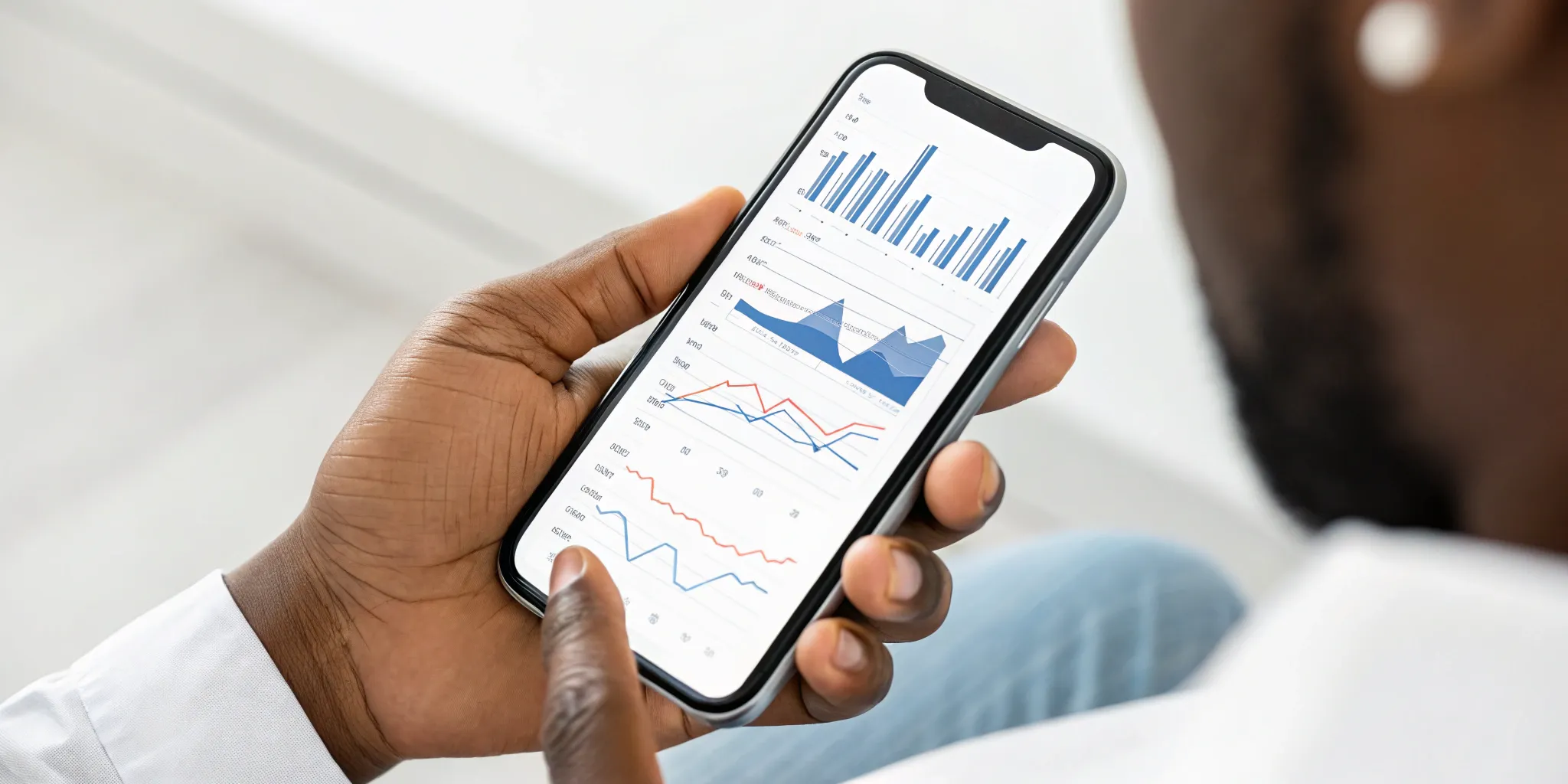
The best diabetes tracking apps turn raw numbers like glucose readings and activity levels into clear insights that show how your daily choices affect your body.
Look for seamless integration with the tools you already use, like a CGM or fitness watch, so data collection is automatic and easy to share with your care team.
A good app should feel like a partner, not a chore, with an intuitive design and a support system, whether AI-driven feedback or a human coach, that keeps you motivated long-term.
The article reviews five specific apps, Heald, mySugr, Glucose Buddy, Diabetes:M, and One Drop, each suited to a different approach such as psychology-backed human coaching, gamified tracking, peer support, in-depth analytics, or AI predictions.
We all know that lasting health improvements come from small, consistent actions, not drastic overnight changes. The challenge is staying motivated when the results aren’t immediately obvious. A diabetes habit tracking app provides the real-time feedback loop that makes these small habits stick. When you can see exactly how a 20-minute walk stabilized your post-meal glucose or how a good night’s sleep improved your morning numbers, you get instant reinforcement. This powerful connection between your actions and their outcomes helps build momentum, turning simple daily choices into sustainable habits that truly transform your metabolic health for the long run.
Key Takeaways
Look for an app that tells a story, not just shows numbers: The most powerful tools translate your raw data—like glucose readings and activity levels—into clear insights. This helps you understand the direct connection between your daily choices and your body's response, empowering you to make meaningful adjustments.
Prioritize seamless integration with your life: Your app should work with the tools you already use, like a CGM or fitness watch, to automate data collection. This creates a complete and effortless view of your health, making it easier to spot patterns and share accurate information with your care team.
Find a tool that feels like a partner, not a chore: The most effective app is one that fits into your daily routine without adding stress. Look for an intuitive design, customizable features, and a support system—whether it's AI-driven feedback or a human coach—that keeps you motivated for the long haul.
What Is a Diabetes Habit Tracking App?
Living with diabetes involves juggling a lot of information, from blood sugar readings and carb counts to activity levels and medication schedules. It can feel like a full-time job just to keep everything straight. A diabetes habit tracking app acts as your digital partner, simplifying this entire process by bringing all your essential health data into one convenient place on your smartphone. Think of it as a smart logbook that not only records your daily habits but also helps you understand the story they tell about your health.
Instead of scribbling in a notebook or trying to remember what you ate yesterday, you can quickly log your meals, how much you move, your medication doses, and your blood sugar readings. The best part is that these apps don't just store your data; they help you make sense of it. By connecting the dots between your lifestyle choices and your body's response, they offer real-time insights to guide your daily decisions. This helps you move from simply managing your condition to actively building healthier, more sustainable habits for the long run. It transforms the overwhelming task of data collection into an empowering tool for change.
What they do and how they work
At its core, a diabetes tracking app is designed to make the daily grind of managing your health easier and more insightful. You can log key metrics like blood glucose levels, food intake, exercise, and medication, creating a comprehensive picture of your health. Many apps connect directly with devices like a continuous glucose monitor (CGM), automatically pulling in your sugar readings so you don't have to enter them manually. This consolidation of data helps you see the immediate cause-and-effect between your actions—like a morning walk or a particular meal—and your glucose response, helping you spend less time worrying and more time living well.
How an app can support your health goals
Using an app can be a game-changer for reaching your health goals. Research shows that people with type 2 diabetes who use tracking apps often see better blood sugar control, make more informed diet choices, and are more successful with weight management. By gathering all your information in one place, these apps make it much easier for you and your doctor to spot trends and patterns over time. This clarity allows for more productive conversations with your healthcare team and helps you become more engaged in your own care. When you can clearly see how your habits impact your numbers, you’re empowered to make small, consistent changes that lead to significant, long-term improvements.
Must-Have Features in a Diabetes Tracking App
With so many diabetes apps on the market, it’s easy to feel overwhelmed. They all promise to make your life easier, but what features actually move the needle on your health? A great app isn’t just a digital logbook; it’s a partner in your health journey. It should simplify the complex, offer clear insights, and connect all the dots of your daily habits—from what you eat to how you sleep.
The right tool should feel less like a chore and more like a supportive guide. It needs to do more than just store your numbers. It should help you understand the story behind those numbers. Why did your glucose spike after lunch? How did that morning walk affect your levels all afternoon? The best apps answer these questions by integrating seamlessly into your life and turning raw data into actionable advice. Before you download the first app you see, let’s walk through the non-negotiable features that separate the truly helpful tools from the digital clutter. These are the core functions that empower you to take control of your health with confidence.
Seamless glucose monitoring and CGM integration
Manually pricking your finger and logging the result is a classic way to track glucose, but technology offers a much clearer picture. Your app should connect directly with a Continuous Glucose Monitor (CGM). This integration allows you to see your glucose levels in real-time, without constant fingersticks. It streams data to your phone, showing you how your body responds to meals, exercise, and stress throughout the day. As experts note, the integration of wearable technology has unlocked personalized health insights that go far beyond traditional methods. This feature is fundamental for understanding your patterns and making proactive adjustments instead of reactive ones.
Smart food and carb tracking
Tracking what you eat is essential, but it shouldn't feel like a full-time job. A top-tier app makes food logging simple and insightful. Look for features like a barcode scanner, a comprehensive food database, and even photo-based logging. Some of the most innovative apps let you log meals using your phone's camera, automatically analyzing the ingredients to estimate carbs and nutritional content. This takes the guesswork out of mealtime and helps you draw a direct line between your food choices and your glucose response, making it easier to build a diet that works for your body.
Medication and insulin reminders
Consistency is key when it comes to managing diabetes, especially with medication and insulin. A simple, reliable reminder system is a must-have feature. The best apps allow you to set custom alerts for your medications, insulin doses, and even for times you need to check your blood sugar. This helps you stay on schedule and avoid the glucose fluctuations that can come from a missed dose. A great diabetes tracker log doesn't just remind you; it also provides a place to confirm you’ve taken your medication, creating a complete record for you and your doctor to review.
AI-driven insights and health predictions
Data is only useful if you can understand what it means. This is where artificial intelligence (AI) comes in. An app with AI-driven insights can analyze your data from various sources—your CGM, fitness tracker, and food logs—to identify trends you might miss on your own. It can highlight how a poor night's sleep affects your morning glucose or predict how a certain meal might impact you later. These AI-integrated wearable devices can offer personalized feedback and even alert you to potential highs or lows before they happen, turning your data into a powerful tool for prevention.
Clear data visuals and progress reports
A screen full of numbers can be more confusing than helpful. A great diabetes app translates your data into easy-to-understand charts, graphs, and summaries. You should be able to see your progress at a glance, whether it’s your time-in-range over the past week or how your A1c is trending. These visual reports make it easier to spot patterns and celebrate your wins. Plus, the ability to easily share your diabetes information with your doctor or care team makes your appointments more productive, allowing for more informed conversations and adjustments to your care plan.
How a Diabetes App Can Improve Your Health
Living with diabetes can feel like a full-time job, but the right digital tool can act as your personal assistant. A good diabetes app simplifies the daily tasks of tracking and monitoring, turning what can feel like a chore into a source of empowerment. By bringing all your key health data—from meals and medication to activity and sleep—into one place, these apps help you see the bigger picture. You can start connecting the dots between your lifestyle choices and your blood sugar levels in a way that just wasn't possible before. This clarity is the first step toward making meaningful, lasting changes for your health. Instead of just reacting to numbers, you can proactively shape your habits and your health outcomes. The goal isn't just to log information, but to use that information to build a healthier, more intuitive relationship with your body.
Gain better control over your blood sugar
One of the biggest wins of using a diabetes app is gaining a clearer understanding of your glucose patterns. When you consistently log your meals, activity, and medication alongside your glucose readings, you can see exactly how your choices affect your body. Many apps connect directly with a continuous glucose monitor (CGM), giving you a real-time view of your blood sugar. This helps you spend more time in range and makes the entire process feel more insightful and less like guesswork. You’re no longer just collecting data; you’re learning your body’s unique language and how to respond to it effectively.
Stay on track with your medication
Juggling medications and insulin doses can be stressful. An app with medication reminders can be a game-changer, helping you stay consistent without having to rely on memory alone. You can set up alerts for specific times and log each dose as you take it, which prevents missed doses or accidental double-ups. This feature is especially helpful when your routine changes, like during travel or on busy workdays. By tracking your medication within the same app you use for food and glucose, you can also see the direct impact your medication plan has on your blood sugar levels, making for more productive conversations with your doctor.
Build awareness around your food choices
Understanding how food affects your blood sugar is fundamental to managing diabetes, and an app makes this process incredibly transparent. Instead of guessing carb counts, you can use features like barcode scanners or photo food logging to get accurate nutritional information instantly. When this data is paired with your CGM readings, you get immediate feedback. You can see precisely how that morning bagel or afternoon apple impacted your glucose levels. This creates a powerful learning loop that builds intuition and helps you make more informed food choices that align with your health goals, without feeling restrictive or overwhelmed.
Find motivation for physical activity
We all know that exercise is important, but finding the motivation can be tough. A diabetes app can provide that extra nudge by making activity tracking simple and rewarding. By syncing with your fitness watch or phone, the app can automatically log your walks, workouts, and daily steps. Seeing your activity data right next to your glucose levels provides powerful, real-time reinforcement—you can literally watch your blood sugar stabilize after a brisk walk. Some apps also include challenges and progress trackers that add a fun, game-like element to reaching your fitness goals, helping you build a consistent and enjoyable movement routine.
Common Hurdles with Diabetes Tracking Apps
Diabetes tracking apps can be powerful tools, but they aren’t a magic bullet. It’s completely normal to hit a few bumps in the road when you start using one. Knowing what to expect can help you choose an app that sidesteps these common issues and truly supports your long-term health goals. Think of it as finding the right partner for your health journey—you want one that’s supportive, clear, and reliable, not one that adds more stress to your plate.
The goal is to find a tool that makes your life easier, not more complicated. Let’s walk through some of the most common challenges people face with these apps, so you can be prepared to find one that genuinely works for you.
Staying consistent and engaged
It’s easy to be excited about a new app for the first few days or weeks. You log every meal, check your glucose levels diligently, and track every step. But over time, that initial motivation can fade, and tracking can start to feel like a chore. This is a well-known challenge; research shows that many people struggle to maintain consistent usage of diabetes apps. The best apps are designed with this in mind, using features like reminders, gamification, or personalized feedback to keep you coming back. If an app feels like work, you’re less likely to stick with it.
Avoiding data overload
More data isn’t always better. Some apps present you with a flood of numbers, charts, and graphs without much context. Seeing every single fluctuation in your glucose can feel overwhelming and even cause anxiety, which might lead you to stop using the app altogether. A great app doesn't just show you data; it helps you understand it. Look for features that offer clear summaries, highlight important trends, and provide simple, actionable insights. The goal is clarity, not confusion, so you can avoid feeling overwhelmed and focus on what matters.
Understanding privacy and data security
Your health information is incredibly personal, so it’s important to know how it’s being handled. When you use an app to track your meals, medications, and glucose levels, you’re trusting that company with sensitive data. Before you commit to an app, take a moment to look into its privacy policy. Leading organizations like the American Diabetes Association have highlighted the importance of understanding an app's privacy and data security practices. A trustworthy app will be transparent about how it protects your information, giving you peace of mind.
Finding an app that fits your life
The most feature-packed app in the world won’t help you if it’s confusing or doesn’t align with your lifestyle. Some people love diving into detailed analytics, while others prefer a simple, at-a-glance view of their day. If you’re not comfortable with technology, a complex interface can be a major barrier. The right app should feel intuitive and slot easily into your daily routine. It’s essential to find a tool that feels like it was made for you, because an app you enjoy using is one you’ll actually use for the long haul.
The Best Diabetes Habit Tracking Apps
Finding the right app is a personal decision, and what works for one person might not work for another. It’s all about finding a tool that fits your lifestyle and gives you the support you need. We’ve reviewed five of the top contenders to help you see what’s out there, from simple trackers to comprehensive health programs. Each one offers a different approach to help you build healthier habits and feel more in control of your diabetes management.
Heald: For a psychology-backed approach with a human care team
If you’re looking for a program that goes beyond just logging numbers, Heald is in a class of its own. It’s less of a simple tracking app and more of a complete system for reversing type 2 diabetes. Heald combines CGM data and wearable integration with a personalized plan covering nutrition, activity, sleep, and stress. What truly sets it apart is its foundation in behavioral psychology, helping you understand and change the habits that impact your metabolic health. You’re supported by a dedicated human care team of physicians, nutritionists, and coaches, making it one of the most comprehensive digital health solutions available. It’s the best choice for anyone ready to make lasting, sustainable lifestyle changes.
mySugr: For gamified tracking and community fun
Managing diabetes doesn’t have to feel like a chore, and mySugr proves it. This app uses a friendly, gamified approach to keep you motivated. You can log your blood sugar, meals, activity, and insulin, and the app turns your data into points and challenges to keep you engaged. It even features a little "diabetes monster" that you tame with good habits. The interface is clean, colorful, and easy to use, making it a great starting point for anyone new to tracking. If you thrive on positive reinforcement and a more playful user experience, mySugr’s motivating tools might be the perfect fit for you.
Glucose Buddy: For social support and peer motivation
If you find strength in numbers, Glucose Buddy is designed with community at its core. Beyond its solid tracking features for glucose, carbs, and exercise, the app offers a robust peer support system where you can connect with others who understand what you’re going through. You can log meals by taking a photo, which simplifies the process. The app also provides weekly reports and suggestions to help you spot trends in your health data. For an extra layer of support, you can access in-app coaching from a certified diabetes educator, making it a great option for those who value both peer and professional guidance.
Diabetes:M: For in-depth reports and analytics
For those who love to dig into the data, Diabetes:M is a powerful tool. This app is built for detailed tracking and analysis, offering extensive reports, graphs, and statistics that help you understand the nuances of your blood sugar patterns. It features a bolus calculator to help with insulin dosing and syncs with a wide range of glucose meters and fitness trackers. While it might have a steeper learning curve than other apps, its comprehensive features are invaluable for anyone who wants to take a hands-on, analytical approach to their health. It’s one of the best diabetes apps for people who want to see every detail.
One Drop: For AI predictions and health coaching
One Drop brings the power of artificial intelligence to your fingertips. The app tracks your glucose, food, medication, and activity, then uses that data to provide predictive insights. It can forecast your blood sugar trends up to eight hours in advance, helping you make proactive decisions to stay in range. One Drop also offers one-on-one coaching with certified health professionals, available right in the app. This combination of AI-driven predictions and human support makes it a forward-thinking choice. It’s a great example of how modern health apps can transform your daily routine by giving you personalized, predictive guidance.
How to Choose the Right Diabetes App for You
With so many diabetes apps available, finding the one that fits into your life can feel like a project in itself. The best app isn’t necessarily the one with the most features—it’s the one you’ll consistently use. Think of it as hiring a digital health partner. You want one that’s reliable, easy to communicate with, and understands your specific needs. A great app should simplify your health management, not add another complicated task to your to-do list.
To find the right fit, it helps to ask a few key questions. Does the app feel intuitive, or is it a chore to open? Does it work with the other health devices you already use, like a continuous glucose monitor (CGM) or a fitness watch? Can you tailor it to your unique lifestyle and health goals? And critically, can you trust it with your sensitive health information? Answering these questions will help you move past the marketing hype and choose a tool that genuinely supports your journey toward better health. The goal is to find an app that feels less like a tracker and more like a trusted extension of your care team.
Is it easy and enjoyable to use every day?
If an app is clunky, confusing, or slow, you’re simply not going to use it. Consistency is everything when it comes to managing diabetes, and the right tool should make daily tracking feel effortless. Studies show that people who regularly use an app can achieve better blood sugar control and make healthier diet choices. The key is finding an interface that’s clean, intuitive, and maybe even a little fun to use. Look for clear visuals, simple navigation, and features that motivate you. Before you commit, read reviews in the app store and take advantage of any free trials to see how it feels in your daily routine.
Does it connect with your other devices?
Manually entering every blood sugar reading, meal, and workout is tedious and leaves room for error. The most effective apps integrate seamlessly with the health technology you already own. This creates a connected ecosystem where data flows automatically, giving you a complete and accurate picture of your health with minimal effort. Look for an app that syncs with your CGM, fitness tracker, smart scale, or blood pressure cuff. This integration of wearable technology is a game-changer, turning separate data points into meaningful, actionable insights that can help you and your care team make better decisions.
Can you customize it to your routine?
Your life and your health needs are unique, and your diabetes app should reflect that. A one-size-fits-all approach rarely works for long-term health management. The best apps allow you to tailor features to your specific goals, preferences, and treatment plan. Can you set custom reminders for medications and appointments? Can you log your favorite cultural foods without having to deconstruct the entire recipe? Can you adjust your activity goals based on your energy levels? An app that adapts to you—and not the other way around—is far more likely to become a lasting part of your health toolkit.
How does it protect your personal data?
Your health information is incredibly sensitive, and you need to know it’s being handled responsibly. Before downloading an app, take a moment to review its privacy policy. A trustworthy platform will be transparent about how it stores and uses your data. Look for clear language explaining its security measures and whether it complies with privacy regulations like HIPAA. While apps are powerful tools, they are meant to support—not replace—your medical team. Always keep your doctor informed about the tools you're using and feel empowered to ask app developers tough questions about how they keep your data safe.
Why Wearable Integrations Matter
A great diabetes app doesn’t just live on your phone—it connects to the other health devices you use every day. Think of it as creating your own personal health headquarters. When your app can talk to your glucose monitor, fitness watch, and smart scale, you stop seeing isolated numbers and start seeing the full story of your health. This connected ecosystem is powerful because it reveals the direct links between your actions and your body’s reactions.
You can see exactly how that morning walk stabilized your post-breakfast glucose, or how a stressful day at work impacted your sleep and, consequently, your blood sugar the next morning. This isn't about drowning in data; it's about gaining clear, actionable insights. By integrating your wearables, your app transforms from a simple logbook into a smart, personalized guide that helps you understand your unique patterns and make informed decisions in real time. This seamless flow of information empowers you to take control of your health with confidence.
Syncing your continuous glucose monitor
Manually logging finger-prick tests can feel like you're only getting small snapshots of your glucose levels. Syncing a continuous glucose monitor (CGM) with your app is like upgrading from a snapshot to a full-length movie. A CGM provides real-time glucose readings 24/7, giving you and your care team a dynamic view of how your body responds to everything you do. You can instantly see the impact of a meal, a workout, or your medication. This immediate feedback loop is incredibly valuable for learning your body’s unique patterns. Instead of guessing why your levels are high, you can pinpoint the cause and make adjustments right away, turning every day into a learning opportunity.
Tracking activity with your fitness watch
Your fitness watch does so much more than count steps. It’s a powerful tool for understanding how movement, sleep, and even stress affect your metabolic health. When you connect it to your diabetes app, you get a comprehensive view of your daily habits. You can correlate a great night’s sleep with more stable glucose levels the next day or see how a 20-minute walk after dinner prevents a blood sugar spike. This integration helps you connect the dots between all the pillars of your health—activity, sleep, and stress—and see how they work together to influence your glucose control. It makes it easier to build sustainable, healthy routines that fit your life.
Connecting smart scales and blood pressure cuffs
Managing type 2 diabetes is about more than just blood sugar. Weight and blood pressure are also critical pieces of your overall metabolic health puzzle. Integrating smart scales and blood pressure monitors with your app provides a more complete picture of your progress. A smart scale can track changes in weight and body composition, while a connected cuff monitors your cardiovascular health. Having all this data in one place allows you to see how your lifestyle changes are positively impacting your entire body. This holistic approach helps you and your care team celebrate wins beyond your A1c and stay motivated by seeing improvements across all areas of your health.
Support Systems That Work With Your App
A great app is a powerful tool, but it doesn’t exist in a vacuum. The real magic happens when you connect that technology to a human support system. Think of your app as the central hub that links you to your doctor, your family, and a wider community of people who understand what you're going through. It gathers all your important health data in one place, making it easier to see patterns and share your progress. But data alone isn't enough to create lasting change. True transformation comes from connection and accountability. When you combine smart tech with real-world relationships, you create a support network that makes your health goals feel not just possible, but achievable. This approach turns tracking from a solitary chore into a collaborative effort, where everyone is working with you toward the same goal. It’s about using technology to strengthen human connections, not replace them. This synergy is what helps you stay motivated on tough days and celebrate your wins with people who care. Let's look at the key ways you can build this network and make your app a true partner in your health.
Sharing data with your healthcare team
Gone are the days of trying to remember what you ate last Tuesday or what your glucose levels were three weeks ago. A good tracking app acts as your personal health diary, capturing everything in one place. This makes your doctor's appointments so much more productive. Instead of spending time trying to recall details, you can pull up clear graphs and reports. This allows you to share your health information and have a more focused conversation about what’s working and what isn’t. Your doctor gets a complete picture of your daily life, not just a snapshot, which helps them tailor your care plan more effectively and make recommendations based on your real-world data.
Connecting with peer support groups
Managing diabetes can sometimes feel isolating, but you are far from alone. Many apps integrate communities or make it easy to connect with peer support groups. Sharing your journey with people who truly get it can be incredibly validating. It’s a space to celebrate small wins, ask for advice on a tough day, or just read stories that remind you you’re part of a community. Research shows that this kind of social support has a real impact on how consistently people use their health apps and manage their condition. It’s a powerful reminder that you have a team of people cheering you on every step of the way.
Using educational resources and coaching
The best apps don’t just show you numbers; they help you understand what those numbers mean. Look for apps that offer built-in educational resources, like articles on nutrition, tips for managing stress, or healthy recipes. Some platforms take it a step further by providing access to personalized coaching from nutritionists, fitness experts, or diabetes specialists. This transforms your app from a simple data logger into a dynamic learning tool. It’s like having an expert in your pocket, ready to help you connect the dots between your daily habits and your health outcomes, giving you the confidence to make informed decisions.
Getting family involved for accountability
Your family and close friends are often your biggest cheerleaders, and bringing them into your health journey can make a huge difference. Some apps have features that let you share your progress, goals, or even meal logs with a trusted few. This isn't about being monitored; it's about building a supportive home environment where everyone is on the same team. When your loved ones understand your goals, they can offer encouragement and help you stay accountable. Studies suggest that engaging family members in the process, even through simple things like sharing food photos, can strengthen your commitment and make healthy habits stick for the long haul.
Using Your App for Long-Term Change
A diabetes tracking app is more than a digital logbook—it's a tool for turning small, daily actions into habits that stick. The goal isn't just to collect data, but to use that data to understand your body and build a lifestyle that supports your health for good. It’s about creating a sustainable rhythm that feels natural, not forced. This shift from short-term tracking to long-term change is where you can build a real foundation for lasting metabolic health.
How gamification helps build habits
Let's be honest: tracking every meal and glucose reading can feel like a chore. That's where gamification comes in. Some apps use games or challenges to make the process more engaging and keep you motivated. Think of earning points for hitting your activity goal or maintaining a streak for consistent logging. These small rewards tap into our brain's natural desire for achievement, making it fun to stay on track. By turning daily tasks into a game, you’re more likely to build the consistency needed to form powerful, healthy habits that last.
Why personalized feedback keeps you motivated
Nothing is more motivating than seeing real progress. The best apps don't just store your data; they show you how your choices affect your health in real time. They can help you keep tabs on blood glucose levels, food intake, exercise, and medications. When you see a direct link between that morning walk and your stable glucose levels, you get instant positive reinforcement. This feedback loop helps you understand your body’s unique patterns and proves your efforts are paying off. It moves you from guessing to knowing, giving you the confidence to keep going.
How to have more productive doctor visits
Walking into a doctor's appointment with clear, organized data can completely change the conversation. Instead of trying to remember how you felt or what you ate weeks ago, you can show your doctor exactly what’s been happening. Many apps let you create daily, weekly, or monthly reports to share with your care team, helping both of you understand your diabetes better. This allows for a much more collaborative partnership where you can discuss specific trends and fine-tune your plan with precision. You become an active, empowered member of your own healthcare team.
Get Started with Your Diabetes Tracking App
You’ve chosen an app—that’s a fantastic first step. Now, it’s time to make it a core part of your health toolkit. Think of your app not just as a data log, but as a partner that helps you connect the dots between your daily choices and your health outcomes. The first few days are all about setting a solid foundation. By taking the time to personalize your settings and build a consistent routine, you turn a simple piece of software into a powerful tool for change. The goal isn't to track perfectly from day one, but to create a sustainable habit that feels supportive, not stressful.
Set up your profile and health goals
First things first, take a few minutes to thoroughly set up your profile. This isn’t just about entering your name; it’s about telling the app what you want to achieve. Add your diagnosis details, medications, and any personal health metrics. Then, define your goals. Do you want to lower your A1C, lose a certain amount of weight, or simply feel more energetic? Setting these intentions from the start gives your efforts a clear direction. Research shows that using an app can lead to better blood sugar control, and it all begins with this initial setup.
Build a daily tracking routine
Consistency is where the magic happens. The key is to integrate tracking into your existing daily routine. Check your app when you have your morning coffee. Log your meals right after you eat, not hours later when you might forget the details. Many apps make this easier by connecting directly with your continuous glucose monitor (CGM) to automatically pull in your readings. The real power comes when you can see all your information—glucose, food, activity, and medication—in one place. This helps you and your care team see patterns you’d otherwise miss, turning raw data into actionable insights.
Use every feature for better management
Don’t be afraid to click around and explore everything your app has to offer. Beyond basic glucose logging, you can often add important info like photos of your meals, notes about how you’re feeling, and your carb intake. Some apps even use challenges or points to make tracking feel more engaging and less like a chore. The more information you give the app, the smarter it becomes. Over time, it can help you understand how specific foods or activities affect your glucose levels, allowing you to make informed, real-time adjustments to your habits. This transforms tracking from a reactive task into a proactive strategy for your health.