Summary
High LDL cholesterol on its own isn't the main driver of chronic disease; a 2016 BMJ Open review of over 68,000 people found no link between high LDL and increased mortality in people over 60, and even linked higher LDL to longer life expectancy in that group.
Metabolic dysfunction, including insulin resistance, chronic inflammation, abnormal lipid metabolism, and hormonal imbalances, underlies conditions like type 2 diabetes, cardiovascular disease, fatty liver disease, Alzheimer's disease, PCOS, and certain cancers.
A 2020 Lancet Diabetes & Endocrinology study found only 12% of American adults are metabolically healthy, showing that normal cholesterol numbers alone don't protect against poor metabolic health.
Personalized nutrition, using tools like continuous glucose monitors, microbiome testing, and metabolic panels, along with markers such as fasting insulin, A1c, and triglyceride-to-HDL ratio, can address the root cause of metabolic dysfunction rather than just chasing an LDL number.
Introduction: Rethinking the Cholesterol Narrative
For decades, LDL cholesterol, often referred to as the "bad" cholesterol, has been at the center of heart disease prevention campaigns. Statins became household names, and low-fat diets were heavily promoted. But as scientific understanding has evolved, so too has our perspective on what truly drives chronic illness.
Contrary to popular belief, sky-high LDL may not be the primary culprit in heart disease and other chronic conditions. The emerging evidence points toward a more complex and pressing issue: metabolic dysfunction. And it’s changing how we think about nutrition, prevention, and health itself.
Why High LDL Isn’t the Villain We’ve Been Told It Is
LDL cholesterol plays a crucial role in the body. It helps transport fats, supports hormone production, and contributes to cell membrane integrity. The blanket labeling of LDL as dangerous oversimplifies the science.
The concern with LDL arises when it becomes oxidized, this is when the real damage begins, potentially triggering inflammation and plaque buildup in arteries. However, LDL in itself, especially in individuals with otherwise healthy metabolic markers, is not necessarily harmful.
A 2016 review published in BMJ Open analyzed data from over 68,000 people and found no association between high LDL cholesterol and increased mortality in individuals over 60. In fact, higher LDL levels were linked to longer life expectancy in this age group, challenging long-standing assumptions about cardiovascular risk.
The Role of Metabolic Dysfunction in Chronic Illnesses
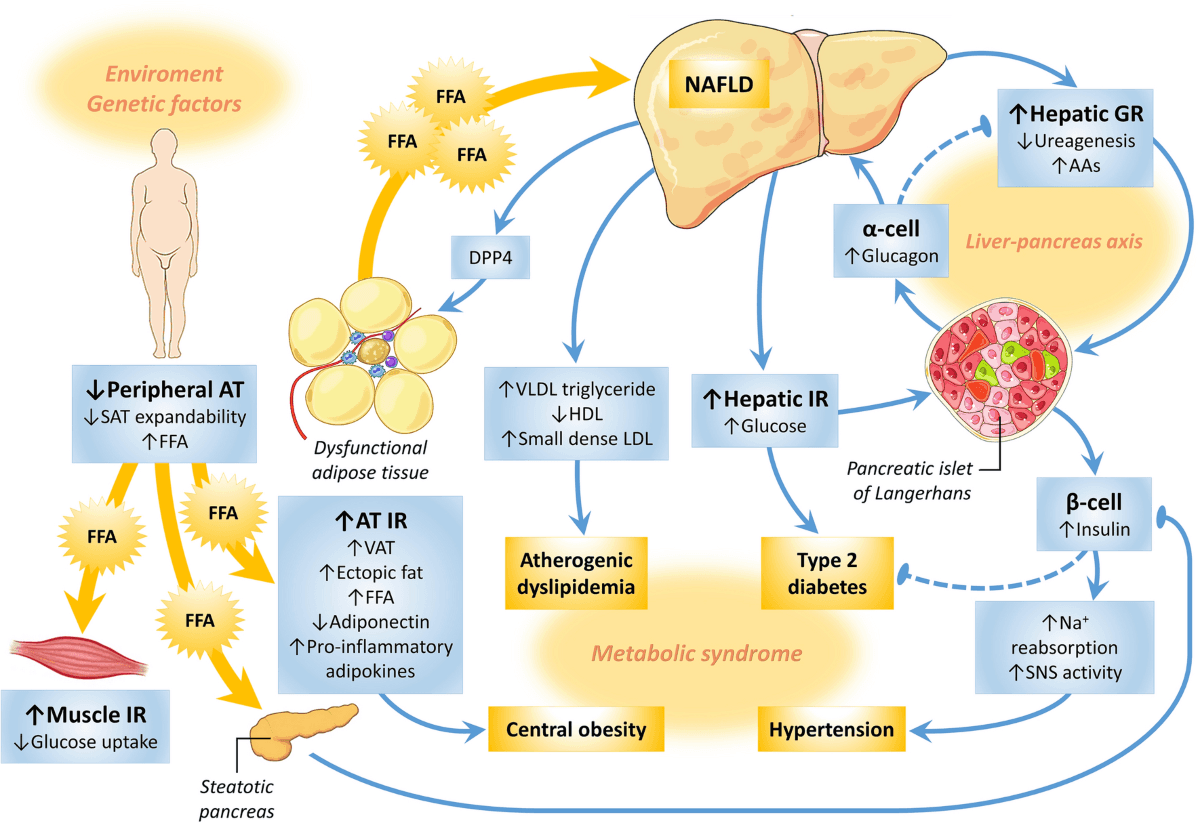
If LDL isn't the primary driver, what is? The answer lies in the growing burden of metabolic dysfunction, a condition where the body struggles to efficiently process and use energy.
Metabolic dysfunction encompasses a range of problems, including insulin resistance, chronic inflammation, abnormal lipid metabolism, and hormonal imbalances. These disturbances are foundational to a host of chronic diseases such as:
Type 2 diabetes
Cardiovascular disease
Alzheimer’s disease
Polycystic ovary syndrome (PCOS)
Certain forms of cancer
A 2020 study published in The Lancet Diabetes & Endocrinology reported that only 12% of American adults are metabolically healthy, despite many having “normal” cholesterol levels. This highlights that good LDL numbers alone are not protective if the metabolic system is compromised.
How Personalized Nutrition Targets the Root Cause
Personalized nutrition is emerging as one of the most promising tools in addressing metabolic dysfunction. Unlike generic dietary guidelines, this approach focuses on an individual's unique metabolic responses to food, stress, sleep, and activity.
For instance, two people may consume the same carbohydrate-rich meal and exhibit vastly different blood glucose responses. This bio-individuality means dietary recommendations must be tailored rather than standardized.
Technologies like continuous glucose monitors (CGMs), microbiome testing, and metabolic panels are enabling individuals to understand how their bodies respond to different foods in real time. Programs like HealdX apply this insight by combining continuous glucose monitoring, behavior tracking, and adaptive planning to help users better understand and respond to their own metabolic signals. Rather than relying on broad guidelines, users receive tailored, data-informed recommendations supported by real-time insights and expert guidance.
This approach shifts the focus from managing symptoms to addressing the root cause, helping individuals stabilize blood sugar, reduce inflammation, and improve long-term metabolic health.
Rethinking Cholesterol: Understanding the Bigger Picture
A singular focus on lowering LDL through medication or diet ignores the broader context of health. While LDL may contribute to cardiovascular disease when oxidized or present alongside inflammation, it is not the root cause in most cases.
Instead, markers such as:
Fasting insulin
Hemoglobin A1c
Triglyceride-to-HDL ratio
Inflammatory markers like CRP
provide a more accurate picture of metabolic risk.
Reducing LDL without addressing insulin resistance or chronic inflammation may lead to a false sense of security. In many cases, improving metabolic health can naturally optimize cholesterol levels, without pharmacological intervention.
Conclusion: It’s Time to Shift the Focus
The cholesterol myth has persisted largely due to outdated models of disease and oversimplified public health messaging. As our understanding deepens, it becomes increasingly clear that metabolic dysfunction, not cholesterol, is the true threat to long-term health.
Improving your metabolic health through personalized nutrition, physical activity, sleep hygiene, and stress management offers far greater protection against chronic disease than simply lowering LDL.
It’s time to move past the cholesterol scare and start addressing the root cause.