Summary
Mood, anxiety, and brain fog are often rooted in the body, not just the mind: chronic inflammation, gut imbalances, and nutrition all shape mental health.
Chronic inflammation is linked to depression and can interfere with mood-regulating neurotransmitters like serotonin and dopamine.
The gut microbiome produces most of the body's serotonin and GABA, so gut imbalances (dysbiosis) are strongly associated with anxiety and depression.
Deficiencies in vitamin D, magnesium, and B12/folate, along with diet and environmental toxin exposure, can also disrupt mood and mental clarity, and a holistic approach that supports the body (sleep, whole foods, gut health, movement) alongside medication and therapy can support mental wellness.
Introduction:
When you’re feeling low, anxious, or just plain “off,” what’s the first thing you blame? Stress? Relationships? Work? Maybe Mercury in retrograde?
But here’s a plot twist: mental health doesn’t start in the mind, it starts in the body. Mood swings, anxiety, and brain fog may have more to do with inflammation, gut imbalances, and your dinner plate than your job or daily stress. Mental health is deeply biological, shaped by how your body processes nutrients, handles inflammation, and communicates through the gut-brain connection.
Let’s pull back the curtain and discover how taking care of your body can transform the way your brain feels.
1. How Inflammation Impacts Mood and Mental Well-Being
Imagine your brain as a high-functioning Wi-Fi router. Inflammation? It’s like someone poured syrup into the ports. Everything slows down, glitches, and eventually crashes.
Chronic inflammation doesn’t just cause aches and pains, it can disrupt your mood. A landmark study in JAMA Psychiatry (2013) found that people with depression often have elevated levels of inflammatory markers like C-reactive protein (CRP) and interleukin-6 (IL-6). Translation: where there’s inflammation, there’s often emotional distress.
Inflammation interferes with the production of key neurotransmitters, especially serotonin and dopamine, making it harder for the brain to regulate mood. It also affects the hippocampus (a brain area crucial for memory and emotional balance), potentially shrinking it over time and worsening symptoms of depression. What causes inflammation? Think processed foods, too much sugar, chronic stress, lack of movement, and, no surprise here, poor gut health.
2. The Link Between Gut Health and Mental Health: A Two-Way Street
Did you know you have a “second brain” in your belly? It’s called the enteric nervous system, and it’s packed with neurons that talk to your actual brain every single day. Your gut is home to trillions of microbes, collectively known as your gut microbiome, that produce neurotransmitters like serotonin (up to 90% of it!) and GABA, both essential for mood regulation.
When your gut is out of balance, due to antibiotics, low-fiber diets, or stress, it can impact your mental health. A 2017 review in Nature Microbiology found that gut microbiome imbalances (called dysbiosis) are strongly associated with anxiety and depression. Want better mood balance? Focus on feeding your gut well. That means fiber-rich veggies, fermented foods like yogurt or kimchi, and cutting back on ultra-processed snacks.
3. Nutrient Deficiencies and Their Role in Mental Health Disorders
Credits: Frontiers
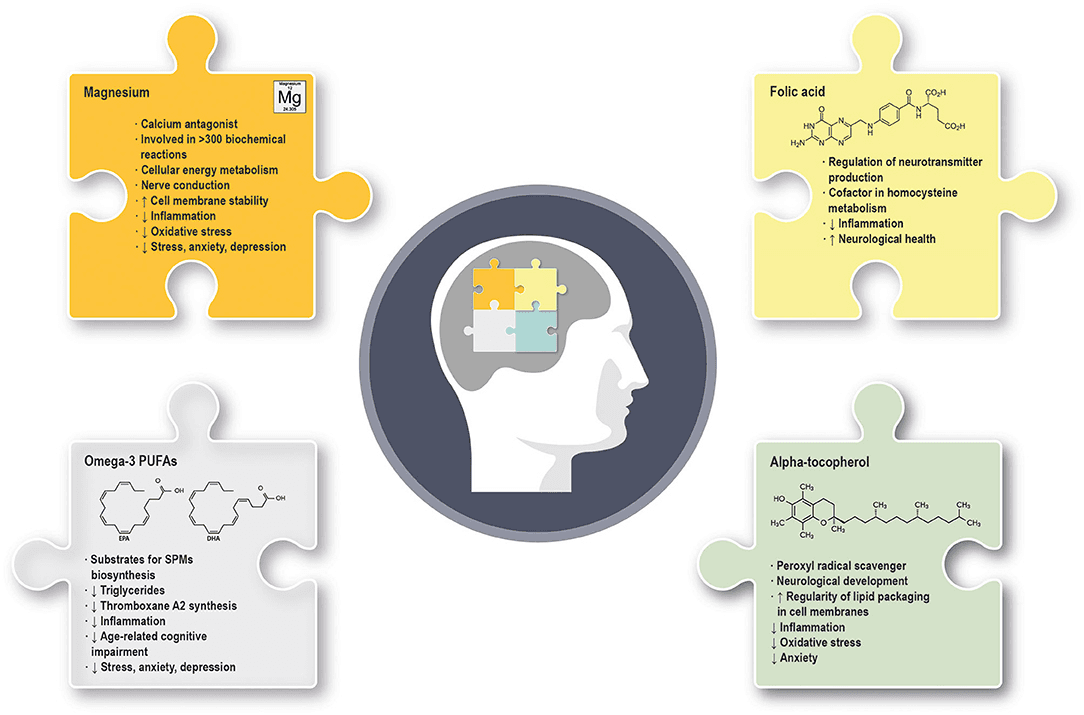
Vitamin D isn’t just for bones. Magnesium isn’t just for muscles. And B vitamins? They're vital for your brain. Common nutrient deficiencies can throw your whole system off, especially your mental clarity and mood. When your body lacks the right nutrients, it can’t produce the neurotransmitters needed to help you feel calm, focused, or emotionally balanced. Nourish your body to stay naturally fit inside and out.
Let’s break it down:
Vitamin D: Low levels have been linked to depression in multiple studies. A 2020 meta-analysis in Nutrients showed that vitamin D supplementation significantly improved depressive symptoms in people who were deficient.
Magnesium: It supports over 300 bodily functions, including calming the nervous system. Not getting enough? You may feel anxious or restless.
B12 and folate: Crucial for producing serotonin and dopamine. Low levels can lead to sluggish thinking and low mood.
Sometimes your brain isn’t “broken”, it’s just running on an empty tank.
4. How Food and Environment Shape Our Behavior and Mood
We’ve all heard the saying: “You are what you eat.” But maybe it’s time to update that to “You feel how you fuel.” A diet high in sugar, fried foods, and refined carbs doesn’t just mess with your weight. It can slow your brain, spike your anxiety, and drain your energy. Now, consider the Mediterranean diet, which focuses on whole grains, olive oil, fish, veggies, nuts, and legumes. One study published in BMC Medicine (2017) found that people following this kind of diet had significantly lower risks of depression.
Your environment also plays a big role. Exposure to everyday toxins, from plastic containers (BPA) to mold, heavy metals, or air pollution, can increase inflammation and harm brain function. It’s not just about what’s in your head. It’s about what’s on your plate, in your home, and in your environment.
5. Healing the Body to Heal the Mind: A Holistic Approach to Mental Health
Here’s the reality: you can’t “positive-think” your way out of a magnesium deficiency. Journaling won’t fix a leaky gut. And therapy alone might not address the root biological issues behind your mood.
Mental wellness is physical wellness.
That means:
Prioritizing good sleep (7-9 hours of restful sleep)
Eating more real, whole foods
Supporting your gut with probiotics and fiber
Testing and correcting nutrient deficiencies
Moving your body (because yes, exercise is a natural antidepressant)
Medications and therapy absolutely have their place. But integrating biological support makes healing more powerful, and sustainable.
Conclusion: Addressing Biological Factors for Better Mental Health
Mental health isn’t just about mindset, it’s about metabolism, inflammation, and microbiomes. If we ignore the body, we’re missing half the equation. The good news? You can start healing your mental health by supporting your physical health. That includes eating smarter, sleeping deeper, and listening more closely to what your body is asking for.
So the next time you feel “off,” don’t just wonder what’s wrong with your brain. Ask what your body might be trying to say.