" height="18.000017931391177px" id="Ouh2pCOkH" transform="translate(0 0)" width="18.239999286530256px"/></g></svg>)

Heald Membership: Your Path to Diabetes Reversal


Table of content
Why Your Cartilage Needs Movement More Than Rest
Joint pain is one of the clearest examples of how “common sense” can quietly work against long‑term health. Most people are told to rest, avoid using the painful joint, and “take it easy” with a little comfort food on the couch. In reality, for most chronic, non‑traumatic joint pain, the combo of low movement and high sugar is exactly what accelerates cartilage damage.
What Your Cartilage Actually Is (And Why It Needs Movement)
The smooth, white tissue at the ends of your bones is articular cartilage. It lets your knees, hips, shoulders and fingers glide without grinding. This tissue has almost no blood supply, so it does not get nutrients the way your skin or muscles do. Instead, it depends on synovial fluid – the slippery liquid inside the joint – to deliver oxygen, glucose, and building blocks.
That fluid only circulates properly when the joint moves. Every step, squat or pedal acts like a pump: pressure changes push fresh fluid in and waste products out. When activity is low for weeks or months, studies show cartilage loses volume, proteoglycan content drops and the tissue becomes more vulnerable to osteoarthritis.
So while total rest may feel safe in the short term, long periods of “protecting the joint” by not using it actually starve the cartilage and weaken the muscles that stabilize the joint. Sedentary behavior is now recognized as a risk factor for knee osteoarthritis progression in older adults.
Why “Rest It Completely” Often Makes Joints Worse
In U.S. clinical practice, people with knee or hip pain are still often told to “avoid weight‑bearing” or “stay off it” for long stretches unless there is clear structural damage or a recent injury. That advice is appropriate for acute trauma, fractures or post‑surgical healing, but for chronic osteoarthritis or age‑related pain it can backfire.
Research in humans and animals shows:
Mild to moderate exercise improves cartilage quality, increases type II collagen and proteoglycan content, and reduces chondrocyte cell death.
Low‑intensity and moderate activity improve synovial inflammation, muscle strength and joint stability, while long‑term inactivity leads to muscle atrophy and faster cartilage wear.
In simple terms: completely “parking” the joint pulls away its lubrication and removes the muscular support that was sharing the load. Over time, the joint can become stiffer, weaker and more painful, even if you’re “behaving.”
How High Sugar and Ultra‑Processed Foods Attack Your Joints From Inside
Now put that lack of movement together with a very U.S. pattern: turning to comfort food when in pain.
Large American datasets show that higher added sugar intake is linked with greater risk of osteoarthritis, partly through effects on gut health and inflammation. Here is what happens inside a joint when sugar and ultra‑processed foods stay high:
Systemic inflammation rises. Added sugars and refined carbs drive up inflammatory markers like IL‑6, TNF‑α and CRP, which are all associated with more joint pain and faster cartilage breakdown.
Hyperglycemia stresses cartilage cells. Lab work on human chondrocytes shows that high glucose increases oxidative stress, switches on NF‑κB (a key inflammatory switch), and ramps up enzymes such as MMP‑13 that literally digest cartilage matrix.
AGEs “caramelize” collagen. Chronic high blood sugar forms advanced glycation end‑products (AGEs) that accumulate in cartilage and bone, making them stiffer and more brittle over time – a metabolic form of rust in the joint.
Metabolic osteoarthritis develops. Reviews now describe a “metabolic OA” phenotype where insulin resistance, hyperglycemia, dyslipidemia and obesity all accelerate joint damage independent of simple “wear and tear.”
So when someone rests more, moves less, and at the same time increases soda, desserts, white bread, and ultra‑processed snacks, the joint is hit from both directions: less mechanical nourishment and more metabolic injury.
Movement and Strength Training: More Than “Calories In, Calories Out”
In U.S. wellness culture, exercise is still sold mainly as a weight‑loss tool. For joint health, that story is incomplete and often misleading.
Research shows that appropriate, not extreme, physical activity:
Improves cartilage volume and slows cartilage thinning in the knee.
Enhances synovial fluid circulation, delivering nutrients and removing waste.
Builds quadriceps and hip strength, which reduces abnormal joint loading and pain in osteoarthritis.
Lowers systemic inflammation and improves insulin sensitivity, which indirectly protects cartilage from metabolic damage.
This means:
Walking, cycling, water exercise and low‑impact cardio help “wash” the joint and keep the cartilage metabolically alive.
Strength training for the legs and hips (squats to a chair, step‑ups, band work, leg presses, glute bridges) redistributes load, reducing peak stresses on worn areas of cartilage.
So movement is not just “burning off last night’s dessert.” It is a daily maintenance program for cartilage, synovium and the muscles that protect them.
The Anti‑Common‑Sense Approach When You Have Joint Pain
Common advice in the U.S.:
“Your knee hurts? Rest it, avoid stairs, and grab some take‑out. You deserve a break.”
An evidence‑based, joint‑friendly approach looks almost opposite, especially for chronic, non‑acute pain:
Keep the joint moving – gently and regularly.
Short walks on flat surfaces, several times per day.
Easy cycling or recumbent bike.
Pool walking or aquatic aerobics.
Controlled range‑of‑motion exercises at home.
Mild and moderate activity have been shown to protect cartilage, while both complete rest and very high‑impact loading are harmful.
Add strength training 2–3 days per week.
Chair squats, step‑ups, wall sits, bridges, band exercises.
Start in pain‑free or low‑pain ranges; isometrics are often well tolerated.
Studies consistently find that stronger leg muscles mean less pain, better function and lower stress on knee cartilage.
Cut back added sugars and ultra‑processed foods.
Swap sugar‑sweetened drinks for water, seltzer, or unsweetened tea.
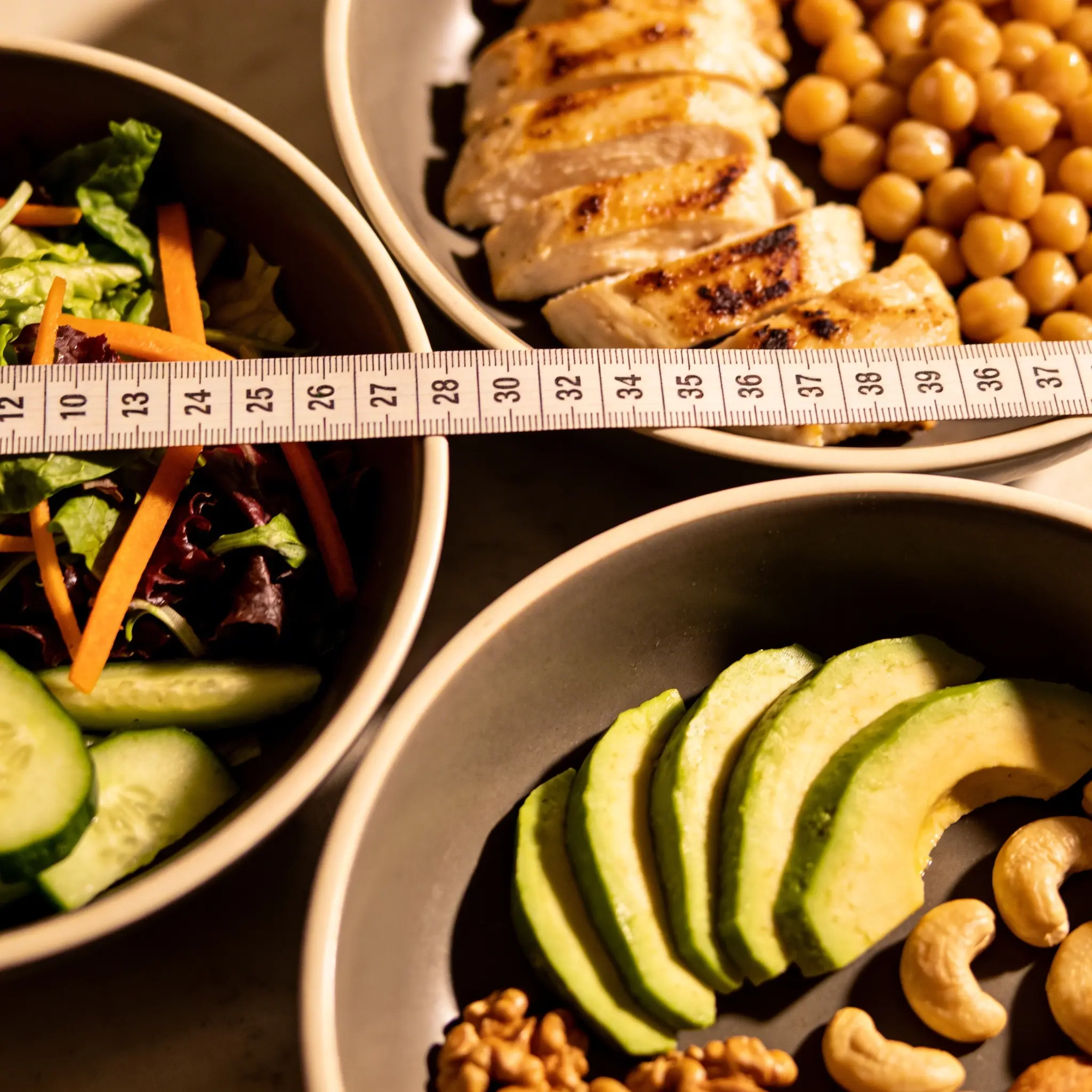
Replace pastries, candy and chips with fruit, nuts, yogurt, or minimally processed snacks.
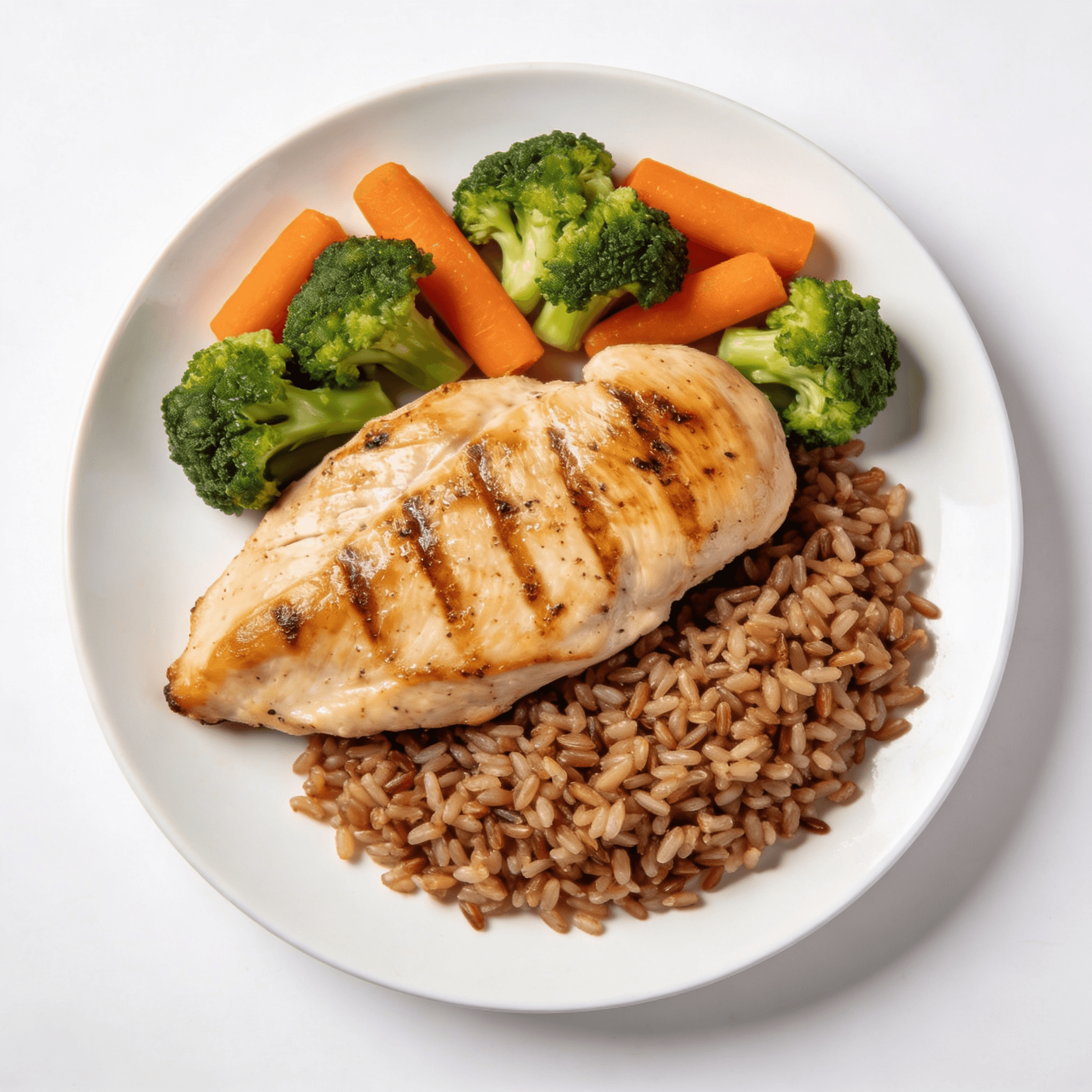
Make most starches whole‑grain (oats, brown rice, corn tortillas, quinoa, potatoes with skin).
By lowering added sugars, you reduce inflammatory signaling, AGE formation and oxidative stress that all harm joints.
Support your “joint environment.”
Stay hydrated: cartilage is mostly water and depends on good fluid balance.
Aim for 7–9 hours of sleep; poor sleep disrupts glucose control and raises inflammatory cytokines.
Maintain a healthy weight if possible, but remember that many people experience pain relief from diet quality and movement changes even before the scale moves a lot.
Reframing the Message for Patients
For people who used to “don’t overdo it” and “you’ve earned a treat,” the key is to reframe what the joint is asking for.
Pain is a request to change how you load and fuel the joint, not a command to never use it.
Gentle, regular movement is lubrication and nutrition for cartilage.
Added sugars and ultra‑processed foods act like rust accelerators, increasing inflammation and stiffening joint tissues over time.
The counter‑intuitive truth:
Your joints often hurt because you’ve stopped moving and your blood sugar and inflammation have crept up – not the other way around.
For most people with chronic, non‑traumatic joint pain, the most protective routine looks like this:
Move daily (even if it’s short and gentle).
Strength train regularly in pain‑respecting ranges.
Keep added sugar and ultra‑processed foods low.
View these habits as joint medicine, not punishment.
When movement and lower sugar become the default, cartilage receives the three things it needs most: constant nourishment, better alignment, and a calmer inflammatory environment. Over months, that’s what truly protects joints – far more than rest and a bag of comfort snacks ever could.

Sandeep Misra is the Co-Founder and Chief Growth Officer at Heald, where he leads growth strategy and partnerships for data-driven programs focused on diabetes reversal and metabolic health. He brings over two decades of experience across healthcare technology, population health, and enterprise partnerships, having held senior leadership roles at AWS, Rackspace, and NTT Data.
Popular Blogs




Comments
