
Summary
Cravings in people with diabetes are largely driven by blood sugar fluctuations, since cells that aren't getting enough glucose signal the brain to seek quick energy from sugary or high-carb foods.
Hormones and brain chemistry play a big role: insulin resistance can disrupt ghrelin and leptin (the hunger and fullness hormones), and sugar temporarily boosts serotonin, which is why stress or low mood can trigger sweet cravings.
Gut health matters too, as an imbalanced gut microbiome can encourage sugar cravings, while a diet rich in fiber, probiotics, and whole foods can help reduce them.
Practical strategies like eating balanced meals, staying hydrated, sleeping 7-8 hours, eating mindfully, and exercising can help diabetics manage cravings more effectively.
Cravings – we all experience them. Whether it's the sudden desire for something sweet or salty, cravings can be intense and seem uncontrollable, especially for people with diabetes. Understanding the biochemistry behind cravings offers insight into why they happen, and more importantly, how to manage them effectively. This blog explores the connection between diabetes, cravings, and how they are rooted in our body’s biochemistry, subtly introducing how Heald’s services can help individuals manage cravings and make informed choices.
What Causes Cravings in People with Diabetes?
Cravings in diabetics are primarily a result of fluctuations in blood sugar levels. The body’s cells require glucose for energy, and the hormone insulin facilitates this process by helping cells absorb glucose from the bloodstream. However, when insulin is insufficient (as in Type 1 diabetes) or ineffective (as in Type 2 diabetes), glucose remains in the blood, leading to hyperglycemia (high blood sugar).
When the body senses that its cells are not receiving the energy they need, it triggers cravings, especially for high-sugar or high-carb foods, which can provide a rapid glucose boost. This is where Heald's AI-driven app can help by monitoring blood sugar fluctuations and offering personalized dietary recommendations in real-time, allowing users to make better food choices and avoid cravings triggered by imbalances.
The Role of Ghrelin and Leptin: The Hunger Hormones
Two key hormones, ghrelin and leptin, play significant roles in hunger and cravings. Ghrelin, known as the "hunger hormone," signals the brain when it's time to eat. Leptin, on the other hand, signals satiety or fullness. In people with diabetes, there is often an imbalance between these hormones. Research published in the Journal of Clinical Endocrinology & Metabolism found that insulin resistance, common in Type 2 diabetes, affects leptin’s ability to regulate appetite. As a result, diabetics may feel hungry even after eating.
This dysregulation leads to intense cravings, particularly for carbohydrates and sugary foods. These cravings can create a vicious cycle, as overconsumption of such foods leads to further blood sugar spikes, perpetuating the problem. Heald's behavioral coaching supports diabetics in identifying emotional or hormone-driven cravings, helping them distinguish between actual hunger and cravings triggered by imbalances.
Serotonin and Sugar: The Comfort Connection
Ever wondered why a piece of chocolate or a sugary snack makes you feel good? That's serotonin at work. Serotonin, a neurotransmitter, helps regulate mood, and carbohydrates can temporarily boost serotonin levels. This is why people with diabetes may crave sweets during stressful or emotional times. However, frequent sugar consumption can worsen insulin resistance and lead to weight gain, exacerbating diabetes symptoms.
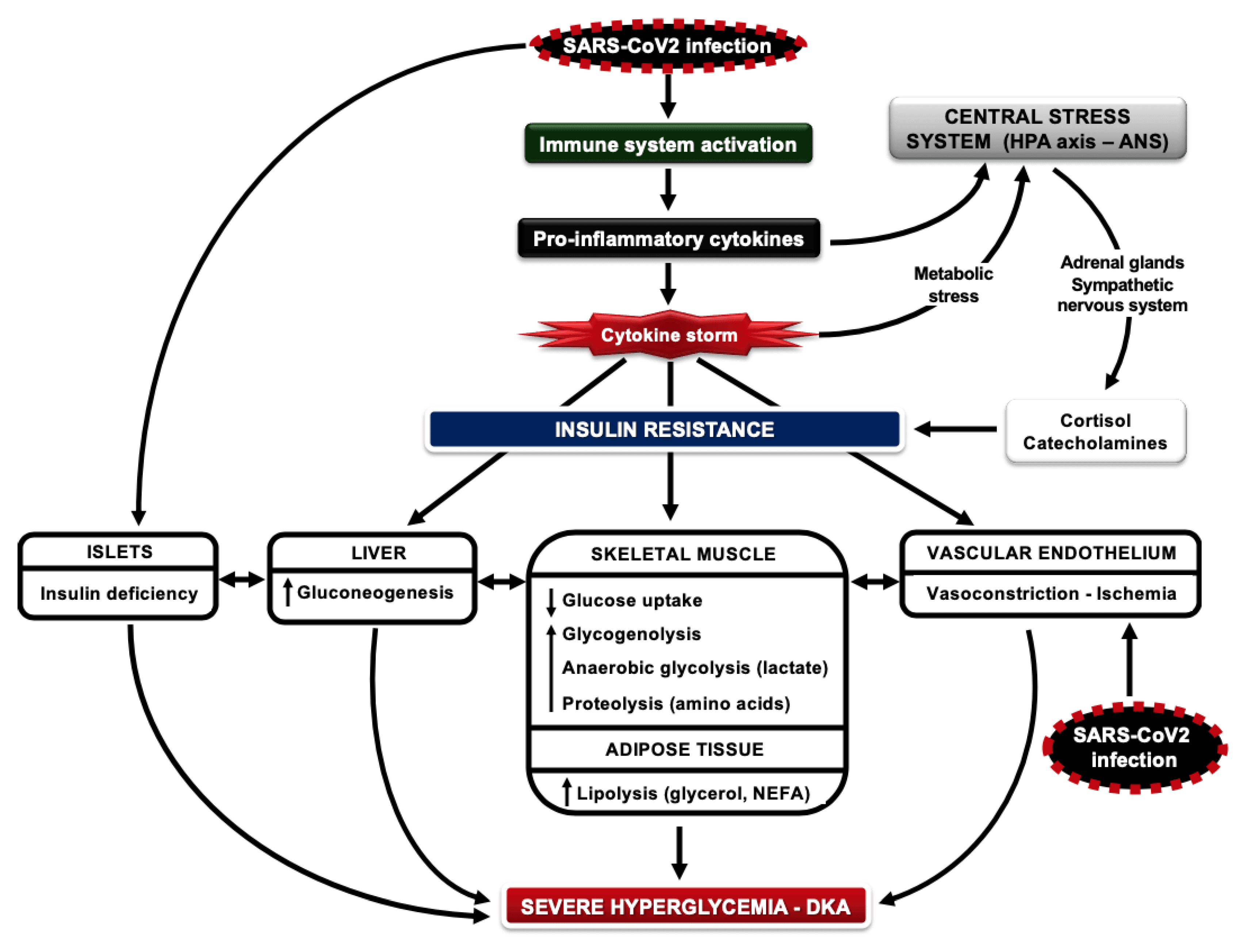
Credits: MDPI
Studies, like one published in Psychiatry Research, show that while sugar can temporarily elevate mood, it ultimately increases the risk of depression in people with diabetes. Heald’s nutritionists help design balanced meal plans that stabilize mood without relying on sugar. By choosing nutrient-dense foods that support serotonin production, diabetics can break the cycle of emotional eating.
How Gut Health Affects Cravings
The gut-brain connection plays a pivotal role in diabetes management. Research from Harvard Medical School suggests that the gut microbiome significantly influences our cravings. Certain bacteria in the gut thrive on sugar and can signal the brain to consume more of it. In diabetics, this imbalance is often more pronounced.
Managing gut health by eating a diet rich in fiber, probiotics, and whole foods can reduce sugar cravings. Heald’s 21-day mindful eating challenge incorporates gut-friendly foods into participants’ diets, helping them regain control over their cravings by improving gut microbiome balance. This approach, combined with AI-based meal tracking, offers users real-time feedback on their food choices, enhancing gut health and reducing cravings.
The Heald WA channel is a goldmine of support and information for those on their diabetes reversal journey. Sharing experiences, tips, and triumphs with fellow community members can provide invaluable motivation and practical advice. From meal plans and exercise routines to emotional support and accountability, the collective wisdom within the group can accelerate progress and make the path to diabetes reversal feel less daunting.
Managing Cravings with Practical Strategies
Now that we understand the biochemistry of cravings, how can diabetics manage them? Here are some practical strategies:
Eat Balanced Meals: Combining protein, healthy fats, and fiber in each meal slows glucose absorption and stabilizes blood sugar. For example, a breakfast of scrambled eggs, avocado, and whole grain toast provides sustained energy without spiking blood sugar. Heald’s app provides meal suggestions tailored to the user's unique glucose patterns.
Hydration: Thirst is often mistaken for hunger. Drinking water throughout the day can reduce unnecessary snacking.
Sleep: Poor sleep is directly linked to increased cravings for sugary and high-carb foods. Ensuring 7-8 hours of quality sleep each night can help regulate hunger hormones. Heald’s program includes sleep coaching to optimize this critical aspect of health.
Mindful Eating: Slowing down and savoring each bite can help diabetics recognize when they are truly full, reducing overeating. Heald’s mindful eating course teaches users how to reconnect with their body’s hunger cues.
Exercise: Physical activity helps balance blood sugar levels and reduce cravings. Something as simple as a 30-minute walk can have significant effects. Heald offers customized fitness plans to help individuals incorporate exercise into their daily routine.
Common Life Problems Related to Cravings
For many people with diabetes, managing cravings is more than a biochemical challenge; it's a lifestyle hurdle. Take the example of Rajesh, a 45-year-old accountant with Type 2 diabetes. Rajesh often finds himself reaching for sugary snacks during long, stressful workdays. These cravings, driven by a combination of stress and fluctuating blood sugar levels, make it difficult for him to stick to his dietary goals. Heald’s behavioral psychologists help users like Rajesh develop stress management techniques, such as breathing exercises, to prevent emotional eating.
Scientific Studies on Cravings and Diabetes
Research published in the Journal of Diabetes Research highlights that blood sugar levels, hormone imbalances, and stress are major contributors to cravings in diabetics. Studies like this reinforce the importance of a comprehensive approach to managing diabetes. Heald’s holistic care model integrates nutritional coaching, psychological support, and advanced technology, offering a sustainable solution for managing cravings and improving overall health.
Conclusion
Cravings in diabetes are not merely a lack of willpower; they are deeply rooted in our body's biochemistry. By understanding the role of hormones, neurotransmitters, and gut health, diabetics can make better choices to manage cravings. Heald’s personalized program, which includes real-time glucose monitoring, meal planning, behavioral coaching, and mindfulness training, offers the support needed to manage cravings effectively and live a healthier life.
Are cravings affecting your diabetes management? Book a doctor appointment with Heald today and get personalized care to help you regain control.